Coles vs Woolworths Ready Meals: AU Calorie Database 2026
Verified kilojoule, protein, and sodium figures for Coles and Woolworths frozen and chilled ready meals in 2026, plus what 631-meal AU research reveals about Health Star Ratings, salt, and what actually feeds a fat-loss plan.

Sophie Carter
Certified Health Coach & Wellness Writer
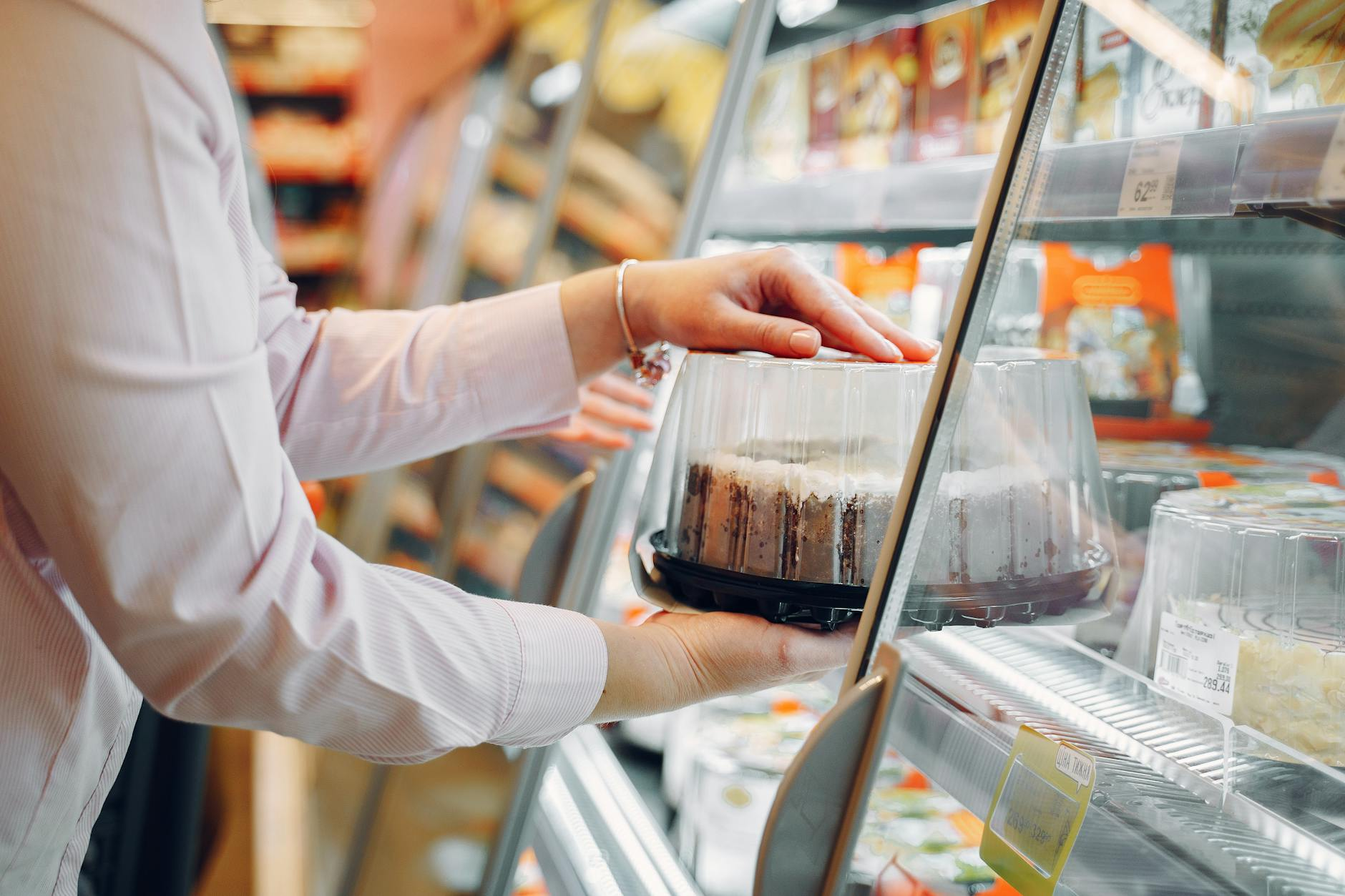
A typical Australian ready meal weighs about 350 g and delivers 1,649 kJ (394 kcal), 19 g of protein, and 784 mg of sodium per serve, according to a 2,581-meal supermarket audit. The lowest-calorie chilled options at Coles and Woolworths sit under 1,400 kJ; the highest-protein options reach 50 g per serve. Sodium and added fat vary far more between brands than calories do, so the meal that fits your day depends on which number you are tracking.
Ready meals have quietly become the calorie tracker's most useful tool — and its most error-prone. They carry a nutrition information panel, which means the kilojoule number on the back of the pack is verified to within FSANZ tolerances, not estimated from a US database. But ready meals also stretch from 1,250 kJ low-fat tray meals to 2,900 kJ "Texas BBQ" pork bowls under the same supermarket sign, and the Health Star Rating on the front does not reliably tell you which is which. This guide is the AU-specific calorie and protein database for the most common Coles and Woolworths ready meals in 2026, with the research on what those numbers actually mean for a fat-loss plan, muscle-gain plan, or a sodium-watch plan.
The figures below are drawn from manufacturer-published nutrition information panels and the most recent peer-reviewed audits of the AU ready meal category. Where the academic data and label data diverge, the label wins for a single product and the academic data wins for category-level claims. Numbers will drift as ranges are reformulated — re-check the panel before relying on any specific figure for a clinical decision.
What does an average Coles or Woolworths ready meal contain?
A 2021 audit of 2,581 ready meals in Australian supermarkets found median values of 1,649 kJ (394 kcal), 19 g of protein, 784 mg of sodium, and 1.5 g of fibre per 350 g serve. The median Health Star Rating sat at 3.5 stars, and the category grew at a 13 percent annual clip between 2014 and 2020 — so the shelf you walk past today is roughly twice the size it was five years ago.
The Mhurchu group at Sydney University built the FoodTrack database that supplies most AU supermarket nutrition research, and their 2021 Foods paper tracked the category through 2020. The numbers tell a story most shoppers do not see: ready meals slimmed down on sugar and crept up on protein over six years, but sodium dropped only modestly — from a median 275 mg per 100 g in 2014 to 240 mg in 2020. At a 350 g serve, that is still 784 mg of sodium per meal, which is 39 percent of the NHMRC suggested dietary target of 2,000 mg for an Australian adult.
The median is one number. The shelf is a range. Here is what a recent snapshot of Coles and Woolworths ready meal ranges looks like, drawn from manufacturer-published nutrition panels for the most-stocked SKUs in 2026:
| Meal style | Typical kJ/serve | Typical kcal/serve | Protein (g) | Sodium (mg) | Approx. weight |
| Strength Meals Co Butter Chicken (350 g) | 1,900 | 455 | 38 | 670 | 350 g |
| Strength Meals Co Calorie Conscious Grilled Chicken (350 g) | 1,260 | 301 | 33 | 540 | 350 g |
| Strength Meals Co Cajun Chicken (350 g) | 1,810 | 432 | 36 | 720 | 350 g |
| Woolworths Protein Pot, Bang Bang Chicken & Rice | 2,040 | 487 | 41 | 980 | 350 g |
| Woolworths Macro Beef Lasagne (370 g) | 1,520 | 363 | 22 | 700 | 370 g |
| Coles Youfoodz Slow Cooked BBQ Beef & Mash (326 g) | 1,400 | 336 | 28 | 690 | 326 g |
| Coles Fuel'd Lemon Garlic Chicken (450 g) | 2,250 | 538 | 50 | 850 | 450 g |
| Coles Mum's Sun Spaghetti Bolognese (380 g) | 1,830 | 437 | 22 | 880 | 380 g |
| Lean Cuisine Protein Kicks (typical) | 1,255 | 300 | 20 | 600 | 280-320 g |
| Healthy Choice Power Bowl (typical) | 1,250 | 299 | 21 | 670 | 290-340 g |
For an average Australian adult against the 8,700 kJ menu-label reference, a single 1,650 kJ meal is about 19 percent of the day's energy. The TDEE calculator for AU and US units gives you a personal maintenance number that matters more than 8,700 kJ does once you are tracking seriously. The 8,700 kJ reference and where it came from is the cross-reference for chain restaurant menu maths.
Which AU supermarket ready meals are highest in protein per serve?
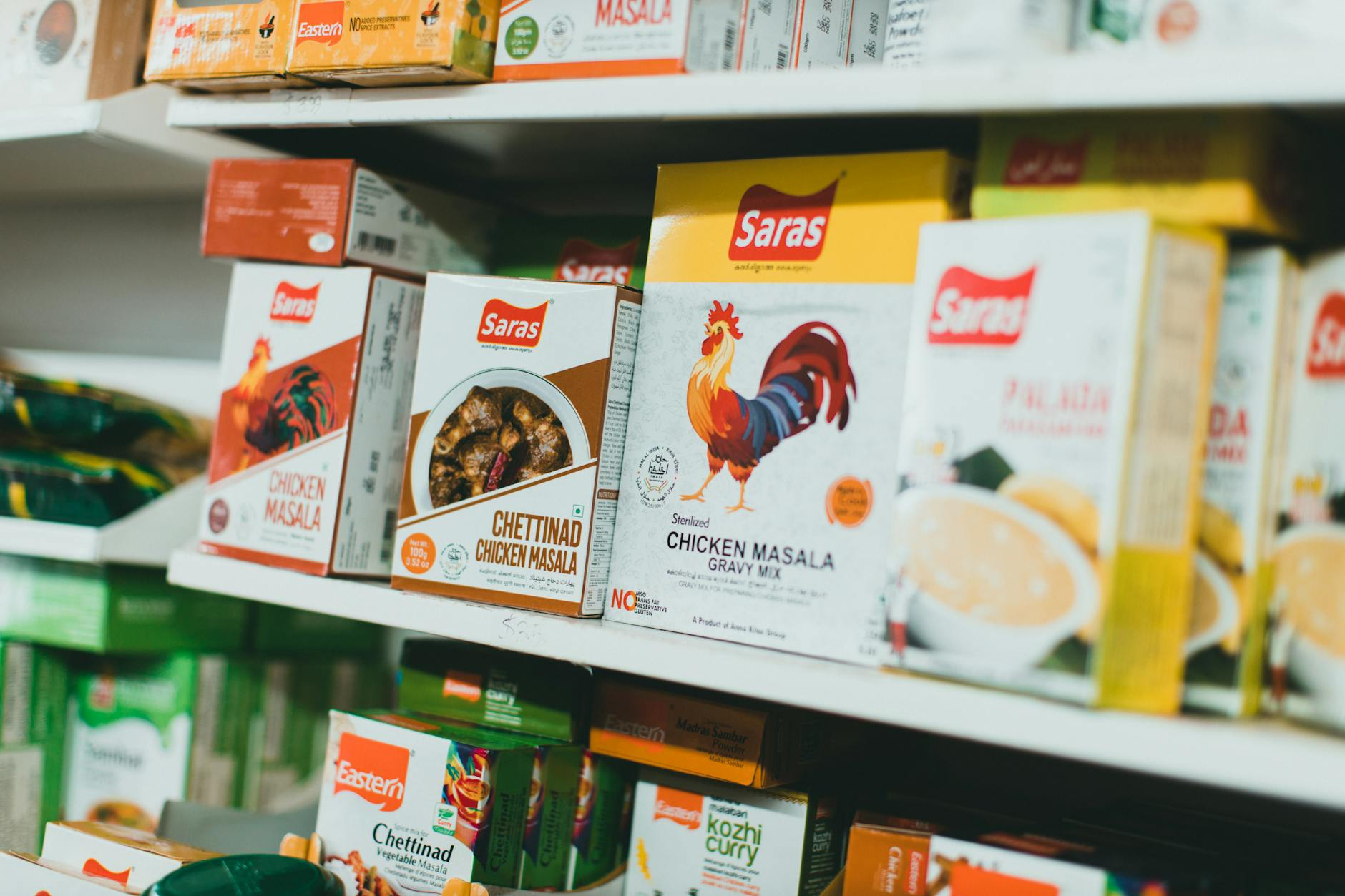
Coles Fuel'd Lemon Garlic Chicken (450 g) currently tops the AU supermarket ready meal range at roughly 50 g of protein per serve. Strength Meals Co butter chicken, satay chicken, and peri peri chicken (all 350 g) sit at 38 to 42 g. Woolworths Protein Pots and Macro high-protein meals cluster at 35 to 45 g. Coles Youfoodz Cranberry Chicken & Potato Bake hits 42 g. Anything labelled "high protein" should deliver at least 25 g per serve; many genuinely deliver 35 g or more.
Protein is the macronutrient that most decides whether a ready meal is useful for body composition. A high-protein ready meal lets you hit a 30 to 40 g per-meal target without weighing chicken breast at 9 pm on a Tuesday. The protein tracking guide for beginners explains why per-meal distribution matters more than total daily protein for muscle protein synthesis. The body recomposition guide covers the per-kilogram target that determines whether you are on track.
Ranked by protein per serve (manufacturer-published 2026 nutrition panels for current SKUs), the standout Australian supermarket ready meals are:
Protein per kilojoule is the metric to watch when your target is high protein and moderate energy. The Strength Meals Co Calorie Conscious Grilled Chicken Dinner clocks in at about 33 g protein for 1,260 kJ — that is 26 g of protein per 1,000 kJ, which beats most home-cooked plates. The pre and post-workout nutrition guide covers how to slot these around training. The muscle gain nutrition for fitness goals post explains why a protein floor matters more than chasing a perfect macro split.
A practical buying rule: if a ready meal labels itself "high protein" without disclosing grams per serve, check the panel. Industry research suggests roughly 22 percent of AU ready meals carry a marketing claim that does not consistently match the nutrition information panel under category-target benchmarks. The grams figure is the only one that matters.
How much sodium is in a typical AU supermarket ready meal?
The median Australian ready meal carries 784 mg of sodium per 350 g serve — about 39 percent of the NHMRC suggested dietary target of 2,000 mg per day for an adult. The 2022 Davies study of 631 AU ready meals found only 49 percent met the Healthy Food Partnership target of under 250 mg per 100 g. Ambient (shelf-stable) meals run highest, frozen sit in the middle, and chilled fresh meals run lowest — but the brand spread within each format is larger than the spread between formats.
Sodium is the AU ready meal category's biggest unsolved nutrition problem. Davies and colleagues at the George Institute published the most comprehensive AU ready meal sodium analysis in 2022, drawing on 631 products from six Sydney retailers representing more than 80 percent market share. Of those, ambient meals ran a median of 300 mg of sodium per 100 g, chilled ran 233 mg, and frozen ran 251 mg. At a 350 g serve, that translates roughly to 1,050 mg (ambient), 815 mg (chilled), and 880 mg (frozen).
For reference, the Heart Foundation of Australia recommends adults eat no more than 5 g of salt a day, equivalent to about 2,000 mg of sodium. The actual Australian average sits around 9 g of salt — roughly 3,600 mg of sodium — and packaged foods including ready meals are the single largest contributor to that surplus.
Here is the rule the Davies analysis surfaced that matters most for the daily shop. Health Star Rating broadly tracks with sodium, but not tightly enough to substitute for reading the panel:
| Health Star Rating | Median sodium (mg/100g) | At 350 g serve | Meets 250 mg/100g target? |
| No rating displayed | 274 | 959 mg | 38 percent |
| 3 stars or fewer | 280 | 980 mg | 35 percent |
| 3.5 stars | 240 | 840 mg | 53 percent |
| 4 stars or higher | 190 | 665 mg | 83 percent |
If you are tracking sodium because of cardiovascular risk, fluid retention, or general blood-pressure management, the swap with the biggest single payoff is moving from ambient and frozen meals to chilled fresh, then looking for the half-cooked components (grilled chicken, vegetables, brown rice) rather than the fully composed sauce-heavy dishes. The stress, sleep, and nutrition piece covers why blood pressure responses to sodium are individual and worth measuring rather than assumed.
Are AU supermarket ready meals worth it for fat loss?
Yes — in most cases, ready meals make a fat-loss plan easier to execute. A measured 1,650 kJ ready meal removes the eyeballing error that pushes home-cooked plates 20 to 30 percent over their estimated calories. The risk is that ready meals are often higher in sodium and lower in fibre than equivalent home plates, so the swap helps adherence and undermines other markers unless you add vegetables and watch the salt.
The honest case for ready meals on a deficit is about variance, not virtue. Research suggests that adherence — the share of weeks you actually run the prescribed deficit — predicts long-term weight loss outcomes far better than which diet pattern you chose. A 1,650 kJ chilled chicken bowl from Coles is not nutritionally superior to a 1,650 kJ home-cooked plate, but it removes the friction of weighing, plating, and estimating at the moment when the deficit is hardest to keep.
The getting started with calorie tracking post breaks down the first-two-weeks accuracy work. The calorie tracking versus intuitive eating discussion covers the longer-term decision about whether tracking remains necessary at all. The healthy eating on a budget guide puts the per-serve cost of these meals in perspective alongside whole-food cooking.
A few category-level patterns are worth knowing before you build a plan around supermarket ready meals:
How do AU supermarket ready meals compare with takeaway?
A 1,650 kJ Coles or Woolworths ready meal is roughly 35 to 45 percent of the calories of a comparable takeaway main from an AU chain. A Strength Meals Co chicken bowl at 1,260 kJ delivers similar protein to a Grill'd grilled chicken burger (around 2,800 kJ) for less than half the energy. Where chain meals are mandated to display kilojoules on menu boards in NSW, ACT, and QLD, supermarket ready meals carry the verified nutrition information panel — so both categories give you better tracking data than home estimates.
The kilojoule menu labelling reforms in NSW, ACT, and QLD were introduced to close the calorie information gap at chain restaurants. Supermarket ready meals never had that gap — they have always carried a nutrition panel under Food Standards Code rules. The result is that the typical 350 g chilled ready meal is the single most accurately tracked food most Australians eat. The AU chain restaurant calorie guide covers what to do at Guzman, Grill'd, Nando's, and Roll'd when a panel is not on the table. The eating out and tracking guide extends the playbook to non-chain venues.
A fair comparison between a typical takeaway dinner and a typical Coles or Woolworths ready meal dinner, using published nutrition figures for 2026:
| Meal | Energy | Protein | Sodium |
| Strength Meals Co Calorie Conscious Grilled Chicken | 1,260 kJ | 33 g | 540 mg |
| Grill'd grilled chicken burger (typical) | 2,800 kJ | 39 g | 1,400 mg |
| Coles Mum's Sun Spaghetti Bolognese (380 g) | 1,830 kJ | 22 g | 880 mg |
| Guzman y Gomez Naked Chicken Burrito Bowl | 2,500 kJ | 38 g | 1,250 mg |
Frequently Asked Questions
Are Coles ready meals lower in calories than Woolworths ready meals?
Not consistently. Both chains stock low-energy chilled options (Strength Meals Co at Woolworths and Coles' Calorie Conscious lines) that sit around 1,260 kJ per serve, and both stock higher-energy frozen and chilled mains that climb past 2,000 kJ. The 2021 audit of 2,581 AU supermarket ready meals across multiple retailers found no meaningful systematic difference between major chains at the category level. The brand and the specific SKU drive the calorie figure, not the supermarket logo.
Which AU ready meal has the highest protein per serve in 2026?
The Coles Fuel'd Lemon Garlic Chicken at 450 g currently delivers around 50 g of protein per serve, the highest single-serve protein figure of the major Coles and Woolworths ranges as of mid-2026. Coles Youfoodz Cranberry Chicken & Potato Bake at 350 g hits about 42 g. Several Strength Meals Co and Woolworths Protein Pot SKUs sit in the 35 to 42 g band. Anything labelled "high protein" should disclose grams on the panel; treat 25 g per serve as a reasonable floor.
How much sodium is in a Coles or Woolworths ready meal?
The median Australian ready meal carries 784 mg of sodium per 350 g serve — about 39 percent of the NHMRC suggested daily target of 2,000 mg per day. Chilled fresh meals run lowest (around 815 mg per 350 g median), frozen meals sit slightly higher, and ambient shelf-stable meals run highest at around 1,050 mg per 350 g. Four-star Health Star Rating products are roughly four times more likely than no-rating products to meet the 250 mg per 100 g sodium target.
Are ready meal Health Star Ratings reliable?
Health Star Ratings broadly track with sodium and overall nutrition profile but do not guarantee a "healthy" choice. The 2022 Davies analysis of 631 AU ready meals found 82 percent of products displaying a rating earned at least 3.5 stars, and products with any HSR consistently had lower median sodium than products without. However, a 3.5-star meal can still carry 840 mg of sodium per serve. The HSR is a useful first filter; the back-of-pack nutrition panel is the final word.
Can I lose weight eating ready meals from Coles and Woolworths?
Yes. Most published case studies and behavioural research point to adherence — the share of weeks you actually run the prescribed deficit — as the strongest predictor of long-term weight loss. A measured 1,650 kJ ready meal removes the eyeballing error that pushes home-cooked plates 20 to 30 percent over their estimated calories. The trade-off is that ready meals tend to run higher in sodium and lower in fibre than home plates of the same kilojoules, so adding vegetables, watching salt over the full day, and rotating in unprocessed meals helps.
How accurate are the kilojoule numbers on Coles and Woolworths ready meal labels?
Manufacturer nutrition information panels in Australia must comply with Food Standards Code labelling rules under FSANZ. Real-world audits have found typical variance of around five to ten percent on individual products, which is tighter than self-estimated home plates and significantly tighter than US-database calorie estimates for AU-specific foods. The NUTTAB vs USDA database analysis covers why AU-sourced data matters.
Are frozen or chilled ready meals better nutritionally?
Chilled fresh meals tend to run lower in sodium (median 233 mg per 100 g) than frozen (251 mg) or ambient shelf-stable (300 mg), per the 2022 Davies analysis. Frozen meals usually have the longest shelf life and the widest range. From a fibre and protein perspective the two formats are similar within the same brand. Buy whichever fits your week — the difference between formats is smaller than the difference between brands within a format.
Sources
Ready to track smarter?
Join thousands who use KCALM for calorie tracking. AI-powered food recognition, scientifically-validated calculations, and zero anxiety.
Related Articles
Schooner, Pint, Pot, Middy: AU Beer Calorie Guide 2026
Verified kilojoule and calorie figures for a schooner, pint, pot, middy, and jug of Australian beer at full strength, mid strength, and light, with state-by-state naming and how to track them in a calorie app.
NutritionNUTTAB vs USDA: Why Your AU Calorie App Is Probably Wrong
Most calorie apps pull from the USDA database, not Australia's NUTTAB (now AFCD). Here is what that means for accuracy in kilojoules, micronutrients, and AU-specific foods — plus how to fix it.
NutritionAU Chain Calories 2026: Guzman, Grill'd, Nando's, Roll'd
Verified kilojoule and protein figures for Guzman y Gomez, Grill'd, Nando's, and Roll'd in 2026, how accurate AU chain menu boards really are, and how to stay under 8,700 kJ at point of sale.