Getting Started with Calorie Tracking: A Beginner's Guide
New to calorie tracking? Learn exactly how to start in 5 simple steps — set your calorie goal, pick a tracking method, log your first meal, and build habits that stick.

Sophie Carter
Certified Health Coach & Wellness Writer
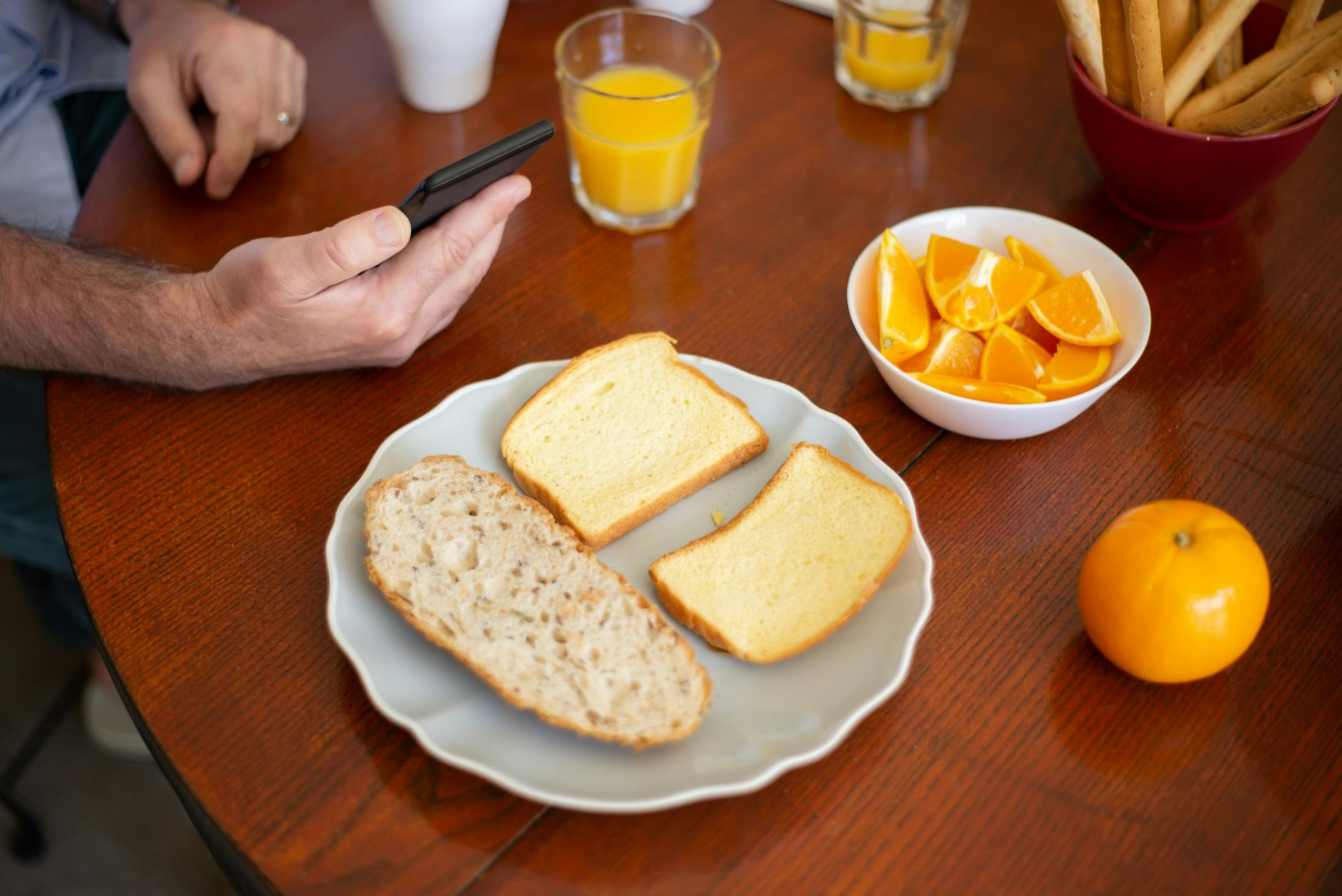
Starting calorie tracking takes less than five minutes: calculate your daily target using the Mifflin-St Jeor equation, pick a logging method (app, photo AI, or pen-and-paper), and record your next meal. A 2019 study in Obesity found that people who tracked food consistently lost 64% more weight than non-trackers over six months — and the average logging session took under 15 minutes per day.
If you've ever typed "how to start counting calories" into a search bar, you're not alone. Calorie tracking is one of the most effective tools for weight management, yet most beginners quit within the first two weeks. The problem isn't willpower — it's a lack of a clear, simple system. This guide gives you exactly that: a five-step framework to start tracking today, avoid common beginner pitfalls, and build habits that last. No perfection required.
How Many Calories Should a Beginner Eat Per Day?
Your daily calorie target depends on your Basal Metabolic Rate (BMR) multiplied by an activity factor. This gives you your Total Daily Energy Expenditure, or TDEE. Most adults need between 1,600 and 3,000 calories per day.
The Mifflin-St Jeor equation is the gold standard for estimating BMR, validated by a 2005 meta-analysis in the Journal of the American Dietetic Association as the most accurate predictive formula. Here's how it works:
| Variable | Men | Women |
| BMR formula | (10 × weight in kg) + (6.25 × height in cm) − (5 × age) + 5 | (10 × weight in kg) + (6.25 × height in cm) − (5 × age) − 161 |
| Sedentary (TDEE) | BMR × 1.2 | BMR × 1.2 |
| Lightly active | BMR × 1.375 | BMR × 1.375 |
| Moderately active | BMR × 1.55 | BMR × 1.55 |
| Very active | BMR × 1.725 | BMR × 1.725 |
What Is the Easiest Way to Start Tracking Calories?
The easiest way to start is to track just one meal per day for the first week. Research from the University of Vermont (2019) found that successful long-term trackers spent an average of just 14.6 minutes per day logging — and frequency mattered more than perfection.
Here are five steps to begin today:
The key insight is that starting imperfectly is far better than not starting at all. A 2021 study in the American Journal of Preventive Medicine found that even partial food tracking (logging at least one meal daily) was associated with significantly better weight outcomes than no tracking.
Should Beginners Track Macros or Just Calories?
Start with total calories only. Once you've tracked consistently for two to three weeks, add protein as your first macro target. Tracking all three macronutrients (protein, carbs, and fat) from day one overwhelms most beginners and increases dropout rates.
According to a 2020 review in Advances in Nutrition, protein is the most impactful macronutrient for body composition. Aim for 1.2–1.6 g per kilogram of body weight daily. Once that feels automatic, you can explore full macro tracking or the IIFYM approach.
| Tracking Stage | What to Track | When to Move On |
| Week 1–2 | Total calories only | When logging daily feels easy |
| Week 3–4 | Calories + protein | When hitting protein target 80% of days |
| Month 2+ | All macros (optional) | Only if your goals require it |
What Are the Most Common Beginner Mistakes to Avoid?
The biggest mistake beginners make is trying to be perfect from day one. A 2022 study in Appetite found that perfectionist tracking attitudes predicted higher dropout rates within 30 days. The second most common error is underestimating liquid calories — drinks account for 22% of daily calorie intake in American adults, per CDC data.
Avoid these five beginner pitfalls:

Which Calorie Tracking App Is Best for Beginners?
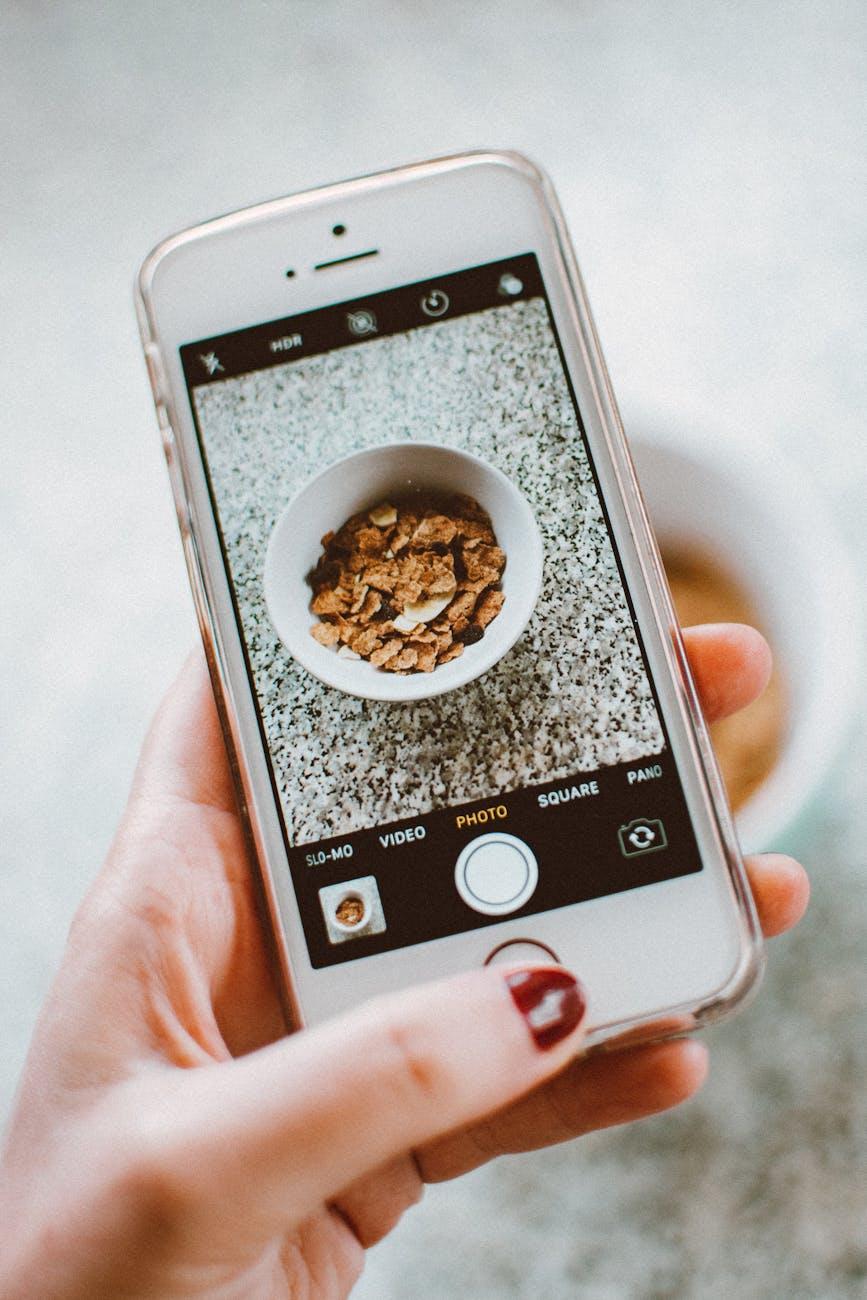
The best app is the one you'll actually use every day. Look for three features: a large food database, a barcode scanner, and a simple daily view showing calories remaining. AI-powered trackers that let you snap a photo of your meal reduce logging time by 50–70% compared to manual search-and-enter methods.
A 2023 systematic review in the Journal of Medical Internet Research found that mobile app-based tracking improved dietary self-monitoring adherence by 43% compared to paper-based methods. If you want a deeper comparison, see our best calorie tracking apps in 2026 guide.
Key features for beginners:
- Large food database — At least 1 million verified entries
- Barcode scanning — Speeds up packaged food logging
- AI photo recognition — Snap a photo instead of searching manually
- Simple dashboard — Daily calorie remaining view, not dozens of charts
- Meal reminders — Gentle nudges to log if you forget
How Long Does It Take for Calorie Tracking to Become a Habit?
According to a landmark 2009 study in the European Journal of Social Psychology, forming a new habit takes an average of 66 days — not the commonly cited 21 days. However, the range was 18 to 254 days, with simpler behaviors (like logging a meal) falling on the shorter end.
The most effective strategy is "habit stacking" — attaching your tracking to an existing routine. Log breakfast right after making your morning coffee. Track lunch when you sit down at the table. According to behavioral psychologist B.J. Fogg's research at Stanford, linking a new habit to an established one increases adoption rates by over 50%.
Three evidence-based strategies for making tracking stick:
Frequently Asked Questions
How many calories should I eat to lose weight?
Most people lose weight at a deficit of 300–500 calories below their TDEE. For a typical moderately active adult, this means roughly 1,500–2,200 calories per day. Use the Mifflin-St Jeor equation to calculate your personal target. Never drop below 1,200 (women) or 1,500 (men) without medical guidance.
Do I need to track calories every single day?
No. Consistency matters more than perfection. A 2019 study in Obesity found that tracking at least five days per week produced similar weight-loss outcomes to daily tracking. Start with one meal per day and expand as the habit builds.
Is calorie tracking safe for everyone?
Calorie tracking is generally safe, but it may not be appropriate for people with a history of eating disorders. If tracking causes anxiety or obsessive behaviors, consider working with a registered dietitian or exploring mindful approaches to nutrition tracking.
How accurate are calorie tracking apps?
Most food databases are within 5–10% of actual calorie values for common foods. AI photo-based trackers currently achieve 80–90% accuracy for single-dish meals. The key is consistency — even imperfect tracking provides useful data for adjusting your diet over time.
Should I track on weekends too?
Yes, weekends are when most people unknowingly consume 200–400 extra calories. A 2008 study in Obesity found that weekend calorie intake was significantly higher than weekdays, partly driven by alcohol and eating out. Tracking weekends helps you see the full picture.
What if I eat something and don't know the calories?
Estimate and log it anyway. Use visual cues: a palm-sized portion of protein is roughly 120–150 calories, a fist of carbohydrates is about 150–200 calories. Partial tracking is always better than no tracking. Our guide to restaurant calorie estimation covers this in detail.
How do I track homemade meals?
Log each ingredient separately using a food scale for the first few times. Once you've logged a recipe, most apps let you save it for quick re-entry. Batch-cooked meals can be divided by total weight — see our meal prep tracking guide for the exact process.
Can I track calories without a smartphone app?
Yes. A simple notebook works — write down each food, estimated portion, and calorie count. However, apps reduce logging time from 25+ minutes to about 15 minutes daily and improve accuracy through barcode scanning and AI recognition features.
Sources
Ready to track smarter?
Join thousands who use KCALM for calorie tracking. AI-powered food recognition, scientifically-validated calculations, and zero anxiety.
Related Articles
Intermittent Fasting and Calorie Tracking: A Complete Guide
Does intermittent fasting work for weight loss? Learn how to combine IF with calorie tracking, the science behind fasting windows, and evidence-based protocols for sustainable results.
GuidesBest Calorie Tracking Apps in 2026: An Honest Comparison
Which calorie tracking app is best in 2026? We compare MyFitnessPal, Cronometer, Lose It!, MacroFactor, Noom, and AI-powered options on accuracy, features, pricing, and ease of use.
GuidesHow to Track Calories on Telegram with an AI Bot
Track calories directly in Telegram using KCALM's AI bot Kai. Send food photos or text, log exercise, view weekly summaries, and manage macros without leaving the app.