Nutrition for Fitness Goals: Fuel Muscle, Endurance & Fat Loss
How should you eat for your fitness goal? Learn evidence-based calorie, protein, carb, and fat targets for muscle building, endurance training, fat loss, and body recomposition.

James Nakamura
Sports Nutritionist & Meal Prep Coach
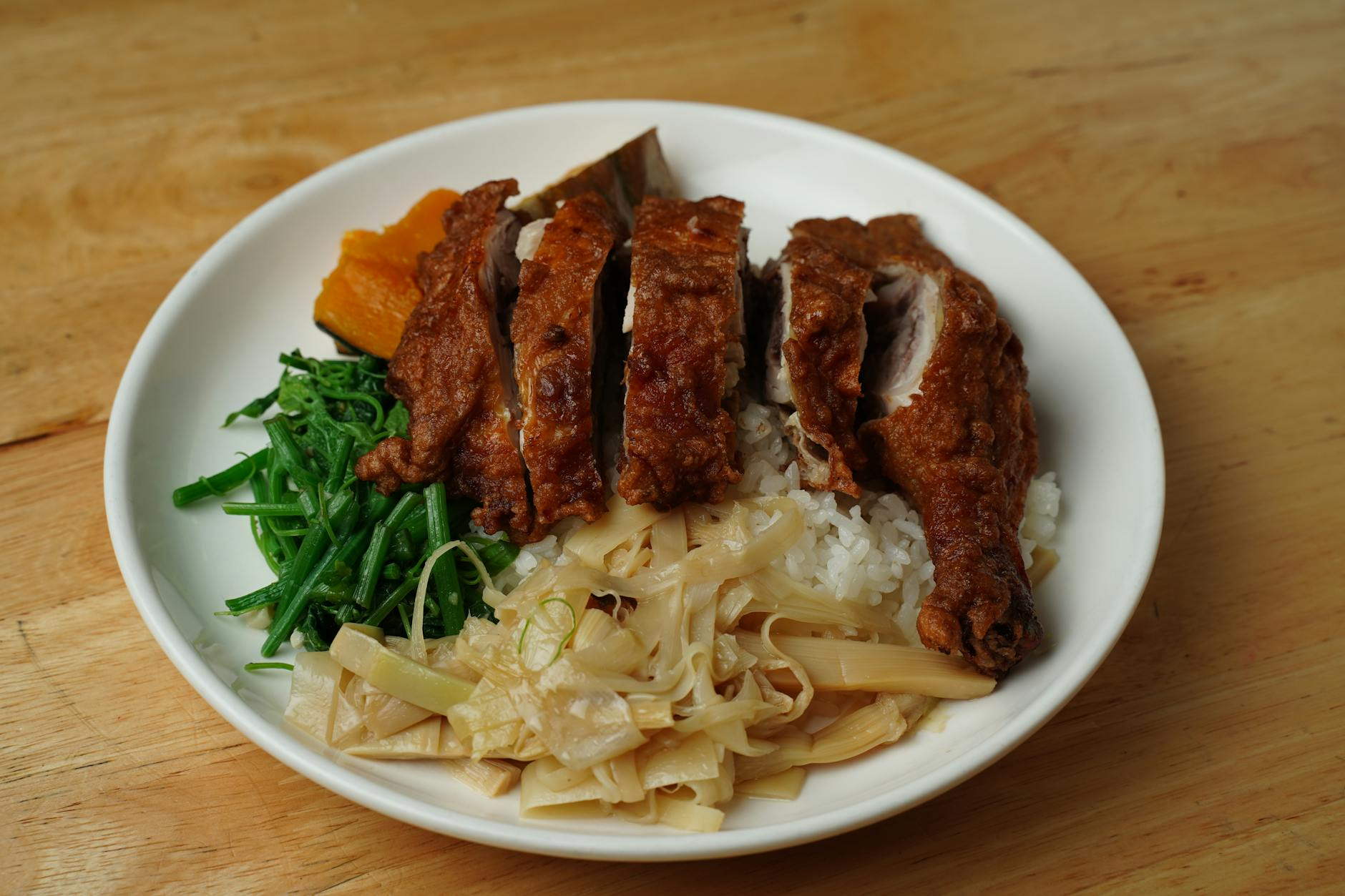
Your ideal diet depends on your fitness goal. Building muscle requires a 10-15% calorie surplus with 1.6-2.2 g of protein per kg of body weight, according to a 2017 meta-analysis in the British Journal of Sports Medicine. Endurance athletes need 6-10 g of carbohydrates per kg daily, while fat loss requires a moderate 500-calorie deficit with high protein to preserve lean mass. Understanding these specific targets — not just "eating healthy" — is what separates results from frustration.
Whether you're training for a marathon, building muscle in the gym, trying to lose body fat, or pursuing body recomposition, your nutrition strategy needs to match your training demands. This guide breaks down the evidence-based calorie, macronutrient, and meal timing recommendations for each major fitness goal, so you can fuel your workouts and recovery with precision.
How Many Calories Do You Need for Different Fitness Goals?
Your calorie target is the foundation of fitness nutrition. The starting point is always your Total Daily Energy Expenditure (TDEE), then you adjust based on your goal. A 2019 position stand from the International Society of Sports Nutrition recommends the following calorie adjustments:
| Fitness Goal | Calorie Adjustment | Typical Range |
| Muscle building | +10-20% above TDEE | +300-500 kcal/day |
| Endurance training | Match or slightly exceed TDEE | +200-400 kcal on training days |
| Fat loss | -20-25% below TDEE | -400-600 kcal/day |
| Body recomposition | Maintenance or slight deficit | -100 to +100 kcal/day |
| Maintenance | Match TDEE | 0 adjustment |
What Are the Best Macronutrient Ratios for Building Muscle?
Muscle growth requires adequate protein, sufficient carbohydrates to fuel training, and enough total calories to support tissue synthesis. A 2022 systematic review in Sports Medicine confirmed that the protein sweet spot for muscle hypertrophy is 1.6-2.2 g per kg of body weight per day, with diminishing returns above 2.2 g/kg.
Here are the evidence-based macro targets for muscle building:
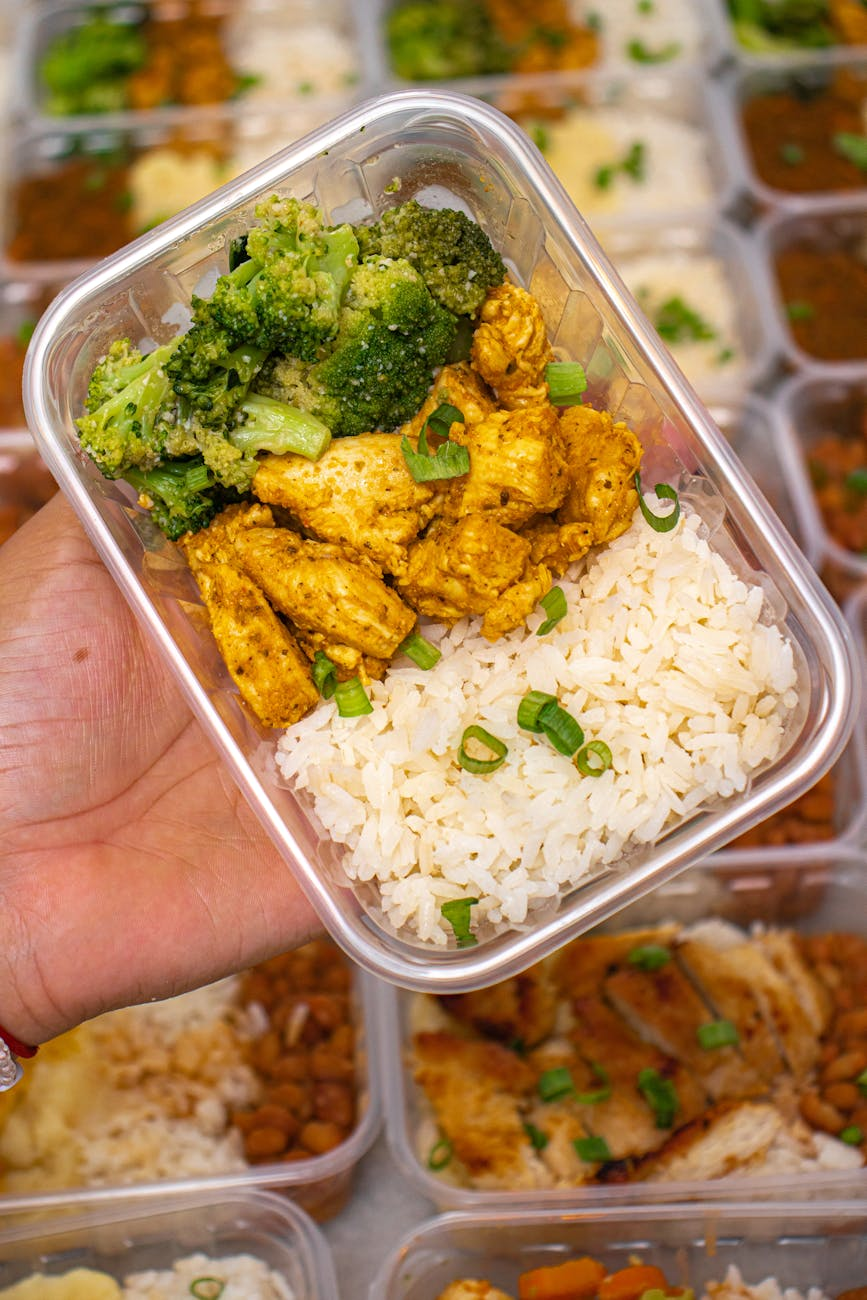
A practical example: an 80 kg person building muscle would target 2,800-3,000 calories with 130-175 g protein, 320-560 g carbohydrates, and 40-120 g fat per day. Understanding your macronutrients in detail helps you fine-tune these ranges for your body.
How Should Endurance Athletes Eat for Performance?
Endurance athletes — runners, cyclists, swimmers, and triathletes — have dramatically different nutritional needs than strength trainers. Carbohydrates are the primary fuel for sustained aerobic exercise, and running low compromises both performance and recovery. The American College of Sports Medicine recommends 6-10 g of carbohydrates per kg of body weight daily for athletes training 1-3 hours per day.
What Role Does Carbohydrate Timing Play in Endurance Performance?
Timing matters more for endurance than any other fitness goal. A 2016 position statement in the Journal of the Academy of Nutrition and Dietetics recommends:
- 2-4 hours before exercise: 1-4 g/kg carbs from familiar, low-fiber foods
- During exercise (>60 min): 30-60 g/hour of carbs from easily digestible sources
- Within 30 minutes post-exercise: 1-1.2 g/kg carbs plus 0.3 g/kg protein
Protein needs for endurance athletes are often underestimated. A 2019 meta-analysis in Sports Medicine established that endurance athletes benefit from 1.2-1.6 g of protein per kg daily — lower than strength athletes but still above the general population RDA of 0.8 g/kg.
What Is the Optimal Diet for Fat Loss While Preserving Muscle?
The biggest mistake in fat loss nutrition is cutting calories too aggressively. A 2021 review in the British Journal of Sports Medicine found that deficits exceeding 500-750 kcal/day led to significantly greater muscle loss — up to 30% of total weight lost was lean tissue compared to just 10-15% with moderate deficits.
The evidence supports a specific approach:
| Fat Loss Guideline | Target | Why It Matters |
| Calorie deficit | 400-600 kcal/day | Preserves muscle, sustains adherence |
| Protein intake | 2.3-3.1 g/kg of lean body mass | Prevents muscle loss; higher than for bulking |
| Rate of loss | 0.5-1% of body weight per week | Faster rates sacrifice muscle |
| Resistance training | 3-4x/week minimum | Strongest stimulus for muscle retention |
| Diet breaks | 1-2 weeks at maintenance every 8-12 weeks | Counters metabolic adaptation |
Does Meal Timing Affect Fat Loss?
For fat loss, meal timing is less critical than total daily intake — but it's not irrelevant. A 2020 systematic review in Advances in Nutrition found that eating the majority of calories earlier in the day (front-loading) was associated with 1.3 kg greater weight loss over 12 weeks compared to evening-heavy eating patterns. The mechanism involves better insulin sensitivity and thermogenesis during daytime hours.
What matters most is finding a meal schedule that you can sustain. Consistency with total intake and protein targets accounts for approximately 80% of fat loss outcomes, with timing contributing the remaining 20%.

What Is Body Recomposition and How Do You Eat for It?
Body recomposition — simultaneously losing fat and gaining muscle — was once considered impossible, but recent research shows it's achievable under specific conditions. A 2020 systematic review in Sports Medicine found that recomposition occurs most effectively in three groups: training beginners, individuals returning from a break, and people with higher body fat (>20% for men, >30% for women).
The nutritional strategy for recomposition is precise:
A 2016 study in the American Journal of Clinical Nutrition demonstrated that participants eating at a 40% calorie deficit but consuming 2.4 g/kg/day protein gained 1.2 kg of lean mass while losing 4.8 kg of fat over 4 weeks — remarkable recomposition even in a severe deficit. However, these were training beginners, and the effect diminishes with training experience.
How Does Pre- and Post-Workout Nutrition Affect Results?
The "anabolic window" has been overhyped, but peri-workout nutrition still matters. A 2013 meta-analysis in the Journal of the International Society of Sports Nutrition concluded that total daily protein intake is more important than precise timing — but consuming protein within 2-3 hours of training does optimize muscle protein synthesis.
Pre-workout (1-3 hours before):
- 0.4-0.5 g/kg protein
- 0.5-1.0 g/kg carbs
- Low fat and fiber (to avoid GI distress)
- 0.4-0.5 g/kg protein (20-40 g for most people)
- 0.5-1.5 g/kg carbs (more for endurance sessions, less for strength)
- Hydration: replace 150% of fluid lost during exercise
How Can You Track Fitness Nutrition Effectively?
Precision matters more in fitness nutrition than general healthy eating. A 2019 study in Nutrients found that recreational athletes who tracked their intake for at least 5 days per week were 2.3 times more likely to achieve their body composition goals compared to non-trackers.
Effective strategies for fitness nutrition tracking include:
- Weigh protein sources raw — cooking reduces weight by 20-30%, which can lead to significant underestimation
- Log meals immediately after eating (recall accuracy drops 30% within 4 hours)
- Use a food scale for calorie-dense foods like nuts, oils, and nut butters
- Track training-day and rest-day intake separately — your needs differ
- Review weekly averages rather than obsessing over daily numbers
Frequently Asked Questions
How much protein do I really need to build muscle?
Research consistently supports 1.6-2.2 g of protein per kg of body weight daily for muscle growth. A 2017 meta-analysis in the British Journal of Sports Medicine found no additional benefit above 1.6 g/kg for most people, but athletes in a calorie deficit or training at high volumes may benefit from the higher end of this range (2.0-2.2 g/kg).
Can I build muscle and lose fat at the same time?
Yes, but results depend on your training status. Beginners, those returning after a layoff, and individuals with higher body fat percentages can achieve body recomposition most effectively. Eat at maintenance calories with high protein (2.0-2.4 g/kg/day), combine resistance training with moderate cardio, and expect slower progress than pursuing either goal individually.
Do I need to eat immediately after a workout?
No — the "30-minute anabolic window" is largely a myth. A 2013 meta-analysis showed that total daily protein intake matters more than post-workout timing. However, consuming protein within 2-3 hours of training does support optimal muscle protein synthesis. If your last meal was 3+ hours before training, eating sooner after your workout becomes more important.
Should I eat more carbs on training days?
Yes, carbohydrate periodization is supported by research. Eating more carbs on heavy training days (5-7 g/kg) and fewer on rest days (3-4 g/kg) can improve performance and body composition. A 2018 study in Nutrients showed this approach improved endurance performance by 3.2% compared to eating the same carb amount daily.
What should I eat before a morning workout?
If training within 60 minutes of waking, a small, easily digestible snack of 20-30 g carbs and 10-15 g protein is sufficient — such as a banana with a small protein shake. For sessions longer than 90 minutes, eat a larger meal 2-3 hours before exercise. Training completely fasted is not harmful for short sessions but may reduce performance in longer or high-intensity workouts.
How do I know if I'm eating enough to support my training?
Signs of underfueling include persistent fatigue, declining performance, frequent illness, poor recovery between sessions, and mood disturbances. A 2018 British Journal of Sports Medicine consensus statement identifies these as symptoms of Relative Energy Deficiency in Sport (RED-S). Track your calorie intake against your TDEE and ensure you're not in a deficit greater than 500 kcal/day during training periods.
Is counting macros better than counting calories for fitness?
For fitness goals, tracking macros is generally more effective than tracking calories alone. A 2018 study in JISSN found that athletes who tracked macros achieved better body composition outcomes than those who tracked only total calories, because protein and carb distribution directly affect muscle retention and training performance.
How much water should I drink during exercise?
The American College of Sports Medicine recommends drinking 400-800 mL per hour of exercise, adjusted for sweat rate, temperature, and intensity. Weigh yourself before and after exercise — each kg lost represents approximately 1 liter of fluid that needs replacing. Post-workout, drink 150% of fluid lost (1.5 L for every 1 kg lost) over the next 2-4 hours.
Sources
Ready to track smarter?
Join thousands who use KCALM for calorie tracking. AI-powered food recognition, scientifically-validated calculations, and zero anxiety.
Related Articles
Plant-Based Nutrition: How to Get Every Nutrient You Need
Can you get all essential nutrients on a plant-based diet? Learn which vitamins and minerals to prioritize, how to hit protein targets, and science-backed meal planning strategies.
NutritionFlexible Dieting and IIFYM: A Science-Backed Guide
What is flexible dieting (IIFYM)? Learn how If It Fits Your Macros works, how to calculate your macros, what the research says, and how to build a sustainable flexible eating plan.
NutritionFibermaxxing Explained: Why Fiber Is the Top Nutrition Trend
What is fibermaxxing? Learn why fiber is 2026's biggest nutrition trend, how much you need daily, the best high-fiber foods, and science-backed benefits for gut health and weight loss.