Protein Tracking for Beginners: Why It Matters More Than Calories Alone
Learn why protein deserves special attention in your nutrition tracking and how to hit your protein goals without obsessing over every gram.

Dr. Maya Patel
Registered Dietitian, M.S. Nutrition Science
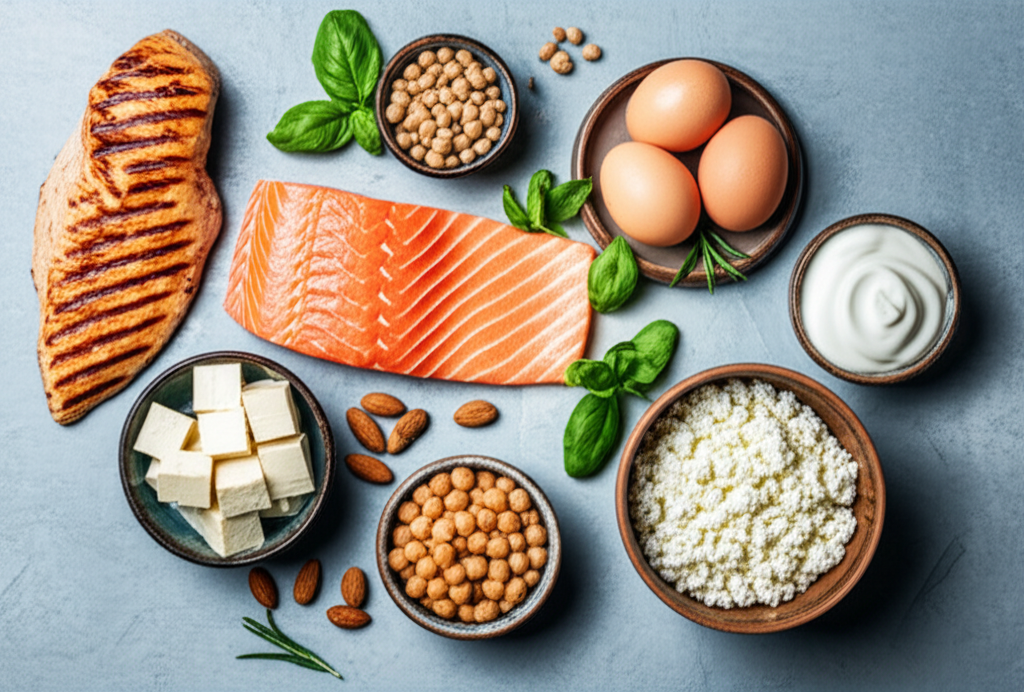
If you're going to track one macronutrient beyond calories, make it protein. Protein plays a unique role in satiety, muscle maintenance, and metabolism—and most people don't get enough. Here's what you need to know to start tracking protein effectively.
Why Protein Deserves Special Attention
Calories tell you how much energy you're consuming. Protein tells you about the quality of those calories for your body composition goals.
Here's why protein stands out:
Satiety Protein is the most filling macronutrient per calorie. Studies consistently show that higher protein diets reduce hunger and make calorie deficits more sustainable.
Muscle preservation When you're in a calorie deficit, your body can break down muscle for energy. Adequate protein (combined with resistance training) helps preserve lean mass so you lose fat, not muscle.
Thermic effect Your body burns about 20-30% of protein calories just digesting them, compared to 5-10% for carbs and 0-3% for fat. This slightly boosts your metabolic rate.
Blood sugar stability Protein has minimal impact on blood sugar, helping you avoid the energy crashes that come from carb-heavy meals.
How Much Protein Do You Need?
The official RDA (Recommended Dietary Allowance) of 0.8g per kilogram of body weight is a minimum to prevent deficiency—not an optimal target for most active people.
Current research supports higher intakes for specific goals:
| Goal | Protein Target |
| General health | 0.8-1.0g per pound of goal body weight |
| Weight loss | 1.0-1.2g per pound of goal body weight |
| Muscle building | 0.8-1.0g per pound of total body weight |
| Athletes | 1.0-1.4g per pound of body weight |
Example Calculation
For someone weighing 180 lbs who wants to lose weight and preserve muscle:
- Target: 1.0g per pound of goal weight
- If goal weight is 160 lbs: 160g protein per day
The 0.8-1g Per Pound Guideline
You'll often hear "eat one gram of protein per pound of body weight." Where does this come from?
Research meta-analyses suggest that for muscle protein synthesis, benefits plateau around 1.6g per kilogram (about 0.73g per pound) of body weight. The round "1g per pound" gives a safety margin and is easy to remember.
For people with significant weight to lose, using goal body weight or lean body mass makes more sense than total current weight.
High-Protein Foods and Their Ratios
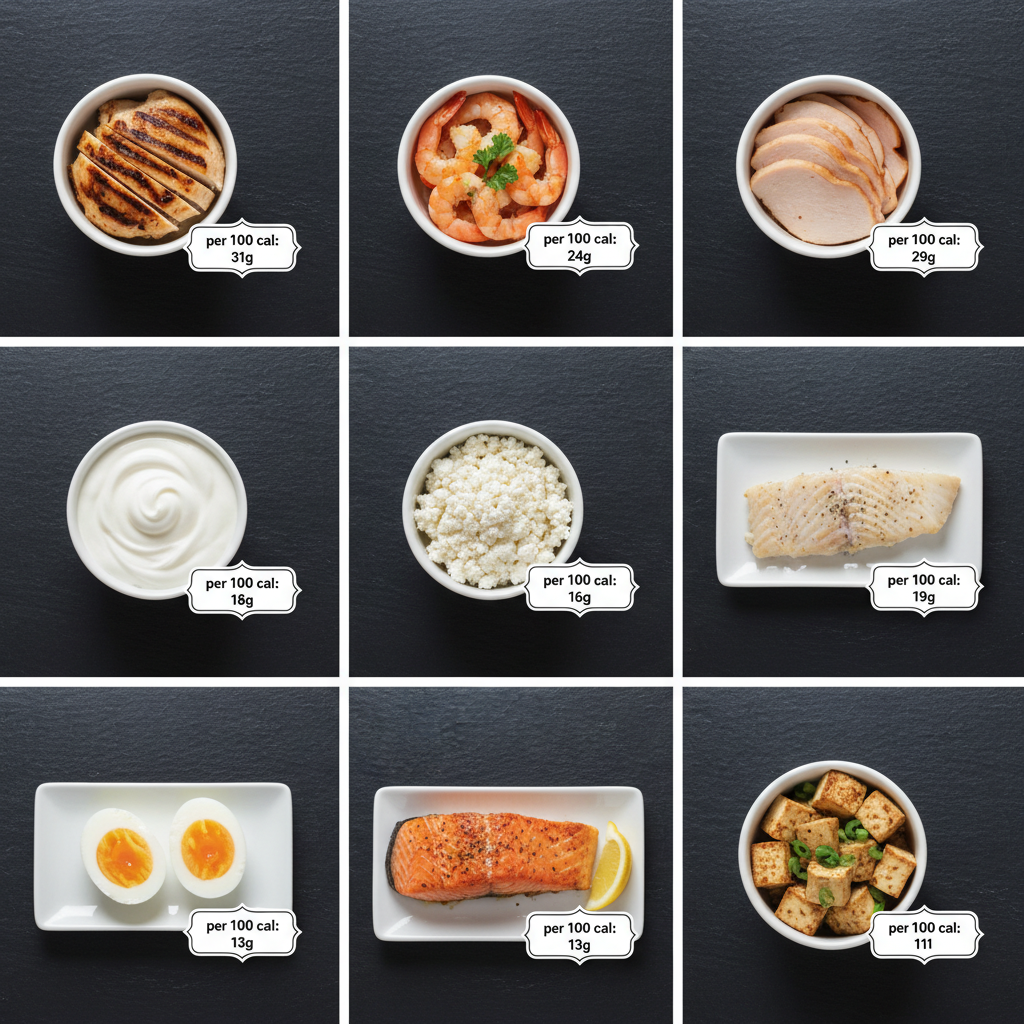
Not all protein sources are created equal. Here's a comparison of protein efficiency (protein per 100 calories):
Excellent (20+ grams protein per 100 calories)
- Chicken breast: 31g
- Egg whites: 22g
- Shrimp: 24g
- Turkey breast: 29g
Very Good (15-20 grams per 100 calories)
- Greek yogurt (0% fat): 18g
- Cottage cheese (1%): 16g
- Cod/tilapia: 19g
- Lean beef (93%): 15g
Good (10-15 grams per 100 calories)
- Whole eggs: 13g
- Salmon: 13g
- Tofu: 11g
- Legumes: 8-10g
Lower Protein Efficiency
- Nuts: 4-5g
- Cheese: 6-7g
- Whole milk: 5g
Timing: Does It Matter When You Eat Protein?
The short answer: total daily protein matters more than timing for most people.
That said, some evidence supports:
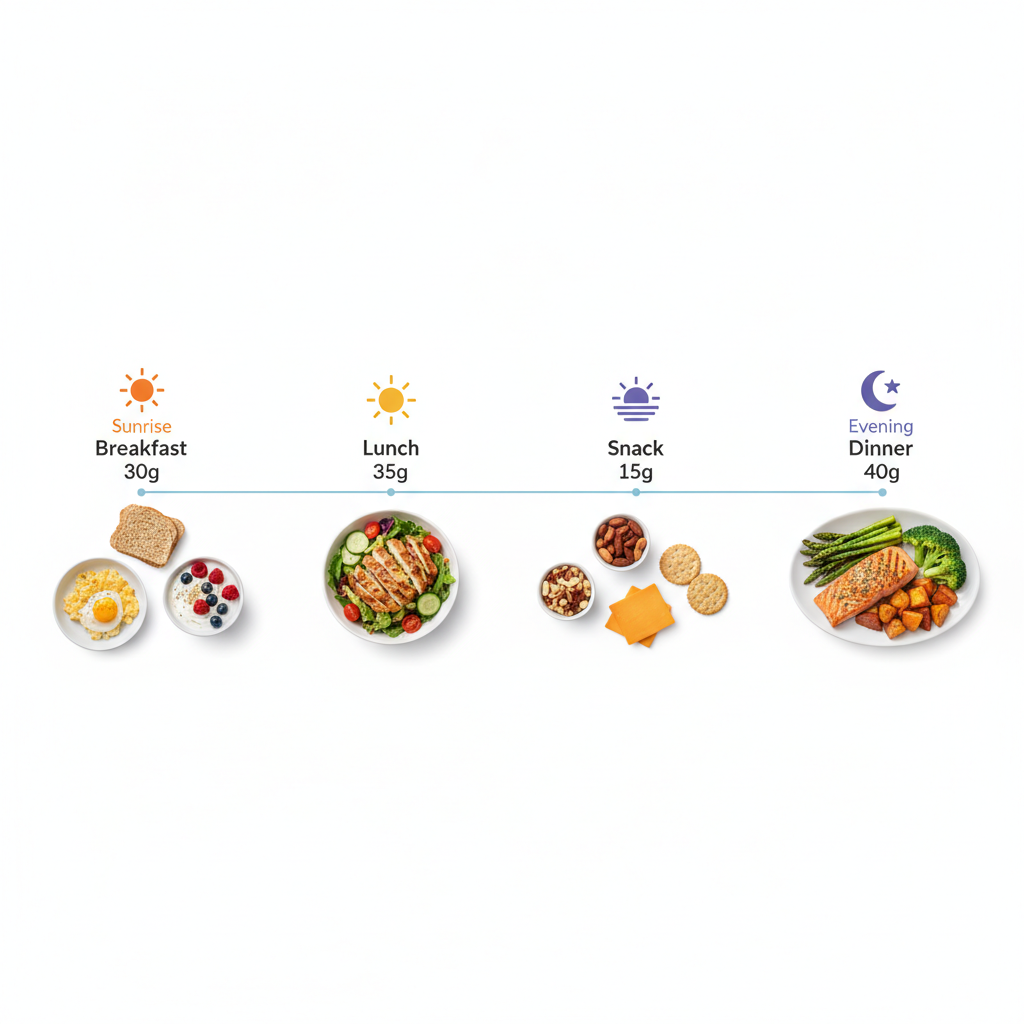
Spreading intake across meals Your body can only use so much protein at once for muscle building (roughly 30-50g depending on size and training status). Eating 100g at dinner and 30g the rest of the day isn't ideal.
Protein around training Having protein within a few hours before or after resistance training may slightly enhance muscle protein synthesis.
Protein at breakfast Starting the day with protein can improve satiety and food choices for the rest of the day.
A practical approach: aim for 25-40g of protein at each meal, with snacks filling gaps as needed.
Tracking Protein Without Obsessing
You don't need to hit exactly 150g every day. Bodies are flexible, and averages matter more than daily precision.
Here's a low-stress approach:
The KCALM Approach
When you log a meal in KCALM, you'll see protein displayed prominently alongside calories. Our AI Snap feature estimates protein content of photographed meals, making macro awareness nearly effortless.
We don't believe in red warnings when you're "low" on protein—just neutral information to help you make informed choices. If you notice you've had a low-protein day, you might choose differently at dinner. Or you might not, and that's fine too.
Quick Wins for Increasing Protein
If you're currently eating 50-80g of protein and want to increase:
Common Protein Tracking Mistakes
Watch out for these pitfalls:
- Overestimating protein in grains: Rice, bread, and pasta have some protein, but it's incomplete and not much
- Forgetting cooking methods change calories, not protein: A grilled vs fried chicken breast has different calories but similar protein
- Ignoring protein quality: Plant proteins often need combining for complete amino acid profiles
The Bottom Line
Protein is arguably the most important macro to track if you're interested in body composition, hunger management, or athletic performance. Start with a reasonable target based on your goals, build meals around protein sources, and let the carbs and fats fill in around it.
You don't need to be perfect. Just be aware.
Reference: Dietary Reference Intakes, Institute of Medicine; International Society of Sports Nutrition position stand on protein.
Ready to track smarter?
Join thousands who use KCALM for calorie tracking. AI-powered food recognition, scientifically-validated calculations, and zero anxiety.
Related Articles
Nutrition for Fitness Goals: Fuel Muscle, Endurance & Fat Loss
How should you eat for your fitness goal? Learn evidence-based calorie, protein, carb, and fat targets for muscle building, endurance training, fat loss, and body recomposition.
NutritionPlant-Based Nutrition: How to Get Every Nutrient You Need
Can you get all essential nutrients on a plant-based diet? Learn which vitamins and minerals to prioritize, how to hit protein targets, and science-backed meal planning strategies.
NutritionFlexible Dieting and IIFYM: A Science-Backed Guide
What is flexible dieting (IIFYM)? Learn how If It Fits Your Macros works, how to calculate your macros, what the research says, and how to build a sustainable flexible eating plan.