Schooner, Pint, Pot, Middy: AU Beer Calorie Guide 2026
Verified kilojoule and calorie figures for a schooner, pint, pot, middy, and jug of Australian beer at full strength, mid strength, and light, with state-by-state naming and how to track them in a calorie app.

Sophie Carter
Certified Health Coach & Wellness Writer
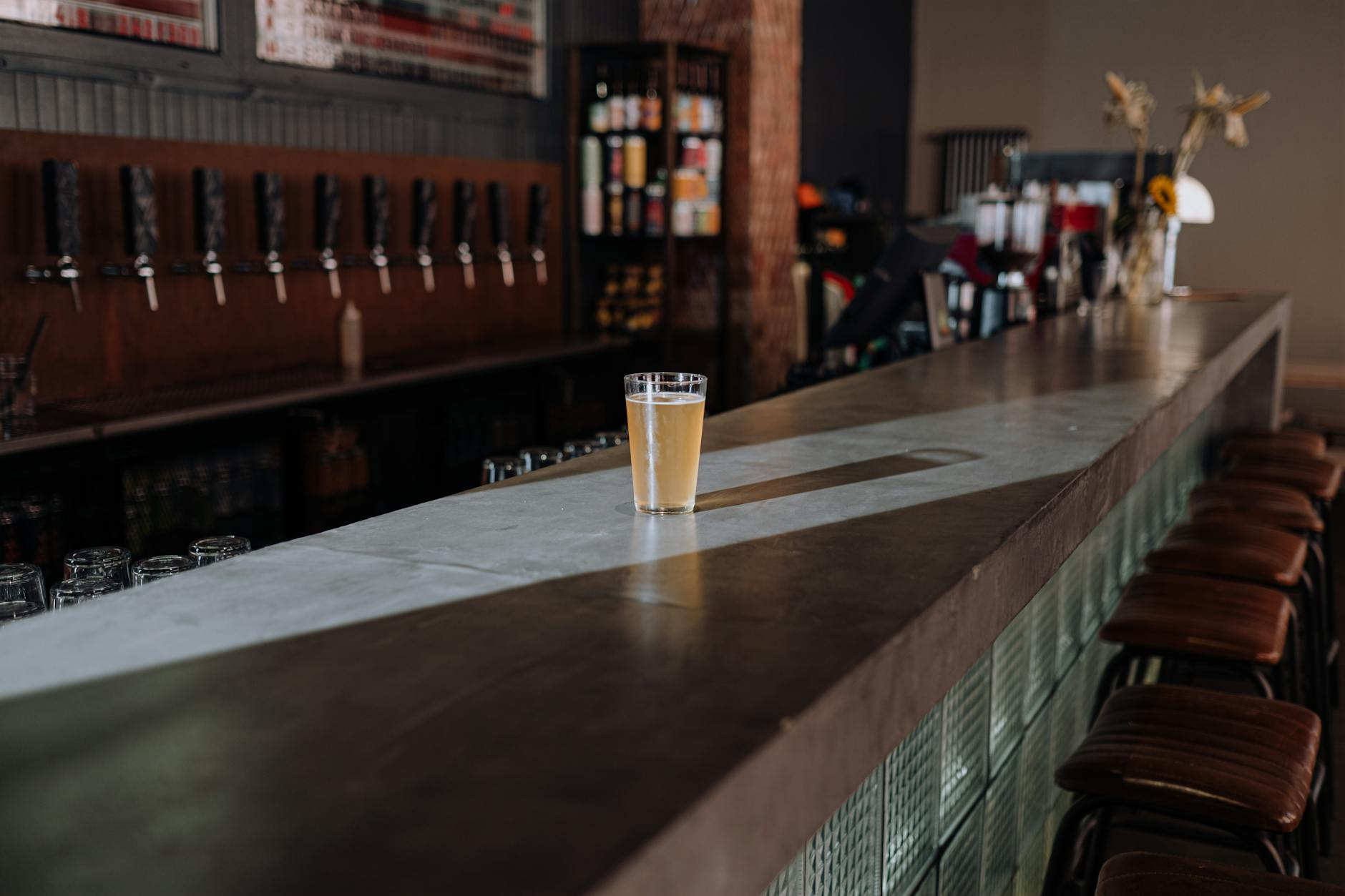
A 285 mL pot or middy of full-strength Australian beer at 4.8 percent ABV holds roughly 500 kJ (120 kcal); a 425 mL schooner about 750 kJ (180 kcal); a 570 mL pint about 1,000 kJ (240 kcal); and a 1,140 mL jug about 2,000 kJ (480 kcal). Mid-strength beer at 3.5 percent ABV cuts those numbers about 30 percent, and light beer at 2.5 percent ABV cuts them roughly in half. Glass size and ABV drive the total far more than which brand is on tap.
Australia has the most confusing beer glassware in the English-speaking world. A "schooner" in Sydney holds 425 mL of beer; the same word in Adelaide gets you 285 mL. A "pint" in Brisbane is 570 mL; in Adelaide it is 425 mL. The result is a real calorie-tracking problem: punch "schooner" into a US-built calorie app and you may log half what you actually drank, or twice. This guide gives you the verified kilojoule and kilocalorie figures for every common AU beer pour at full strength, mid strength, and light, plus the simple math you can do yourself when a label is missing.
The numbers below assume average Australian beers — full-strength around 4.8 percent ABV (think VB, Carlton Draught, XXXX Gold's full-strength siblings, most craft pale ales), mid-strength around 3.5 percent (XXXX Gold, Hahn 3.5, Great Northern Original), and light around 2.5 percent (Hahn Super Dry 3.5 sits a touch higher; Cascade Premium Light sits lower). Your brand may sit a few tenths of a percent either side, which is why this guide shows the formula, not just the numbers.
What are the calories in a schooner, pint, pot, and middy?
A 425 mL schooner of full-strength beer (4.8% ABV) holds about 750 kJ or 180 kcal; a 570 mL pint about 1,000 kJ or 240 kcal; a 285 mL pot or middy about 500 kJ or 120 kcal; a 140 mL pony about 245 kJ or 60 kcal; a 1,140 mL jug about 2,000 kJ or 480 kcal. Mid-strength shaves roughly 30 percent off each figure and light beer roughly half.
The energy in any beer comes from two sources: alcohol (29 kJ per gram, per Food Standards Australia New Zealand) and residual carbohydrate (17 kJ per gram). In a 375 mL full-strength beer, Diabetes Australia reports that 75 percent of the kilojoules come from the alcohol itself and about 20 percent from carbohydrate. That ratio is why ABV moves the total more than mouthfeel or maltiness does.
Here is the verified table you can screenshot. All figures are rounded to the nearest 5 kJ for full-strength values calculated at 4.8 percent ABV using the standard 29 kJ/g alcohol figure plus a typical 3 g/100 mL carbohydrate load.
| Glass (volume) | Full-strength (4.8% ABV) | Mid-strength (3.5% ABV) | Light (2.5% ABV) |
| Pony (140 mL) | 245 kJ / 60 kcal | 175 kJ / 40 kcal | 125 kJ / 30 kcal |
| Pot / middy (285 mL) | 500 kJ / 120 kcal | 360 kJ / 85 kcal | 255 kJ / 60 kcal |
| Schooner (425 mL) | 750 kJ / 180 kcal | 535 kJ / 130 kcal | 380 kJ / 90 kcal |
| Pint (570 mL) | 1,005 kJ / 240 kcal | 720 kJ / 170 kcal | 510 kJ / 120 kcal |
| Jug (1,140 mL) | 2,010 kJ / 480 kcal | 1,440 kJ / 345 kcal | 1,020 kJ / 245 kcal |
If you want to do the math for an unfamiliar beer, the formula is:
`kJ from alcohol = volume in mL × ABV (as decimal) × 0.789 × 29`
A 425 mL schooner of a 5.4 percent ABV craft IPA: 425 × 0.054 × 0.789 × 29 ≈ 525 kJ from alcohol alone, plus roughly 150 kJ from residual carbs in a typical IPA = about 675 kJ (160 kcal). Stronger beers (8 percent ABV imperial stouts, hazy DIPAs) climb fast — a 425 mL schooner of 8 percent ABV beer is around 1,100 kJ (260 kcal), close to a Big Mac without the chips.
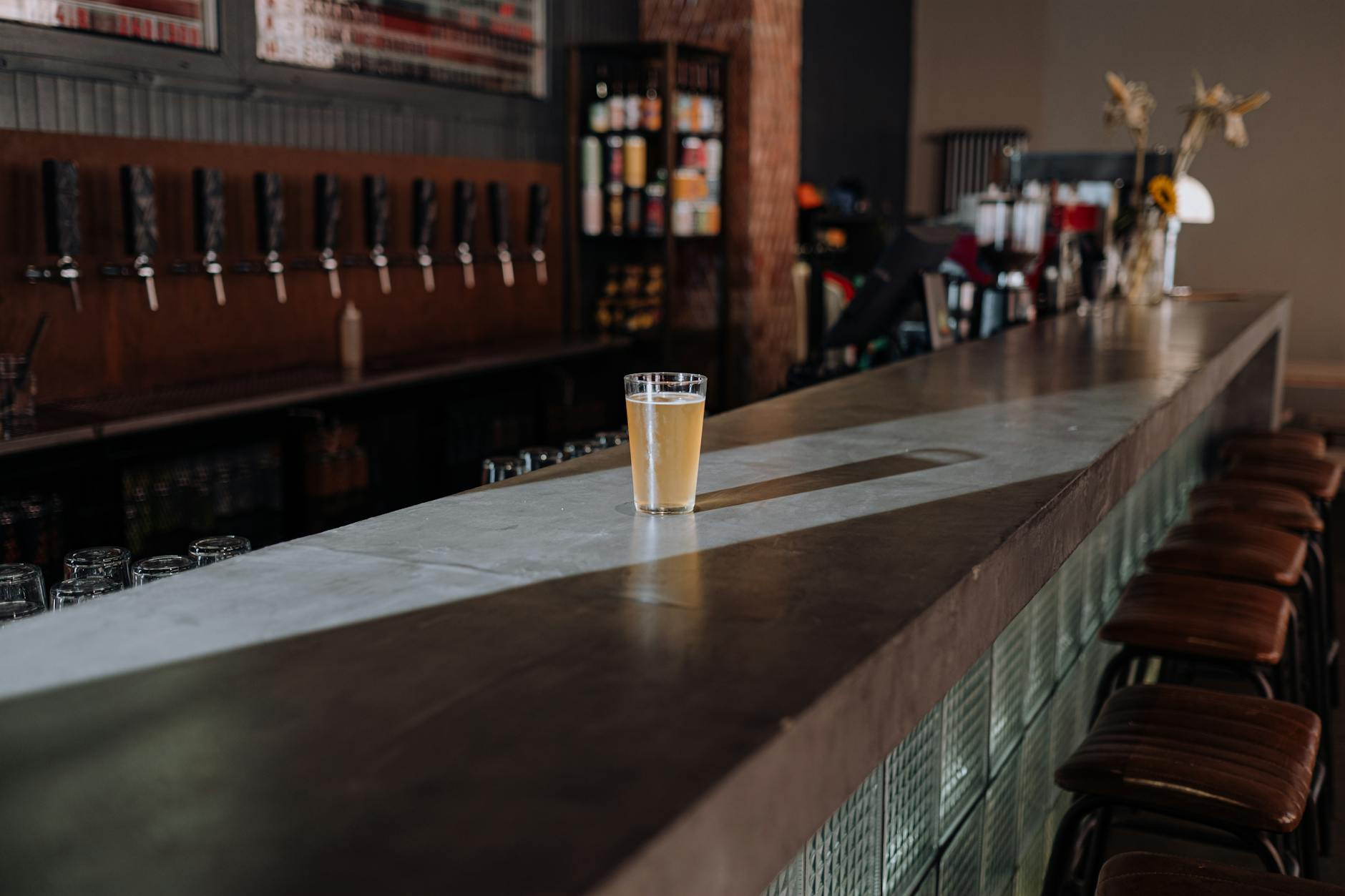
How does Australian beer glass size translate to standard drinks?
One Australian standard drink contains 10 grams (12.5 mL) of pure alcohol, regardless of beverage type. A 285 mL pot of full-strength beer is about 1.1 standard drinks; a 425 mL schooner about 1.6; a 570 mL pint about 2.2; a 1,140 mL jug about 4.3. The NHMRC 2020 guidelines recommend no more than 4 standard drinks on any day and no more than 10 per week for healthy adults.
The Alcohol and Drug Foundation states the definition plainly: a standard drink is "any drink that contains 10 grams of alcohol." The 10 g number comes from the National Health and Medical Research Council and is identical for beer, wine, spirits, cider, and ready-to-drinks. What differs is how much liquid you have to pour to deliver those 10 g — full-strength beer needs roughly 285 mL to hit one standard drink, 100 mL of wine is one, and 30 mL of spirits is one.
The names of those glasses, though, are state-dependent. The same physical 285 mL pour is called a "pot" in Victoria, Queensland, and Tasmania, a "middy" in NSW, ACT, and Western Australia, a "handle" in the Northern Territory, and — confusingly — a "schooner" in South Australia. Here is the cheat-sheet:
| Volume | NSW / ACT / WA | VIC / QLD / TAS | South Australia | Northern Territory |
| 140 mL | Pony | Pony | Pony | Pony |
| 200 mL | — | — | Butcher | — |
| 285 mL | Middy | Pot | Schooner | Handle |
| 425 mL | Schooner | Schooner | Pint | Schooner |
| 570 mL | Pint | Pint | Imperial pint | Pint |
| 1,140 mL | Jug | Jug | Jug | Jug |
| Pour | Volume | Standard drinks (full-strength) | Standard drinks (mid 3.5%) | Standard drinks (light 2.5%) |
| Pony | 140 mL | 0.5 | 0.4 | 0.3 |
| Pot / middy | 285 mL | 1.1 | 0.8 | 0.6 |
| Schooner | 425 mL | 1.6 | 1.2 | 0.8 |
| Pint | 570 mL | 2.2 | 1.6 | 1.1 |
| Jug | 1,140 mL | 4.3 | 3.1 | 2.2 |
Why do mid-strength and light beers have so many fewer calories?
Alcohol carries 29 kJ per gram, compared with 17 kJ per gram for carbohydrate and 17 kJ per gram for protein. In a 375 mL full-strength beer, roughly 75 percent of the kilojoules come from alcohol and 20 percent from carbs. Dropping ABV from 4.8 to 3.5 percent therefore removes most of the energy, and dropping to 2.5 percent removes about half.
This is also why "low-carb" beers (Hahn Super Dry, Pure Blonde, Iron Jack Crisp) save less than people expect — they trim the 20 percent slice, not the 75 percent slice. A 4.6 percent ABV "low-carb" beer in a schooner still carries around 700 kJ, only about 50 kJ less than a regular schooner of the same volume. Mid-strength and light, by contrast, attack the dominant source of energy: alcohol itself.
The kJ-per-gram comparison matters when you are building a daily calorie target with TDEE. Two schooners of full-strength beer is roughly 1,500 kJ — about 17 percent of an 8,700 kJ reference day, or close to a quarter of a 6,500 kJ cutting target. The same two schooners of mid-strength is around 1,070 kJ, and light is around 760 kJ. Across a week of social drinking, the difference between three full-strength schooners on Friday and three mid-strength ones is roughly the energy in a meal.
Research suggests the substitution effect matters: a 2022 review in Drug and Alcohol Review covering Australia's 2020 NHMRC guideline revision noted that even small reductions in pure alcohol intake correlate with measurable reductions in long-term harm, and the same arithmetic plays out for energy intake.
Here is the breakdown of where the kilojoules in a 425 mL schooner come from at each strength:
| Component | Full-strength (4.8% ABV) | Mid-strength (3.5% ABV) | Light (2.5% ABV) |
| Alcohol energy | ~470 kJ | ~340 kJ | ~245 kJ |
| Carbohydrate energy | ~210 kJ | ~155 kJ | ~110 kJ |
| Protein energy | ~30 kJ | ~25 kJ | ~20 kJ |
| Total (approx.) | 750 kJ | 535 kJ | 380 kJ |
How do you track beer calories in a calorie app?
Most calorie apps default to US beer entries with 355 mL (12 oz) servings, so AU glass sizes and Australian-brewed ABVs are routinely mismatched. The reliable approach is to search for the actual Australian brand, confirm the ABV, then set the serving size to your real glass in millilitres. Apps built on AFCD (formerly NUTTAB) data, like KCALM, ship AU-specific defaults that match local pub pours.
The same database problem covered in our NUTTAB vs USDA breakdown shows up here in miniature. US-built apps store beers as 12 oz pours; AU venues serve in 285 mL, 425 mL, or 570 mL. If you log a "Pint, Beer" entry from a US database into your day, you may be logging a 16 oz US pint (473 mL) when your hand is around a 570 mL Aussie one — about 20 percent low. Multiply across a Friday session and a week of social drinks can quietly look 1,500 kJ lighter than it really is.
The five-step fix to log an Australian beer honestly:
A second, lower-effort approach: skip per-brand lookup and log the figures from the table above as a "manual entry" or custom food. The accuracy loss is small (most Australian full-strength lagers cluster between 4.6 and 4.9 percent ABV) and the time saved is large. For the same logic applied to eating out, see our calorie-tracking guide for the pub and restaurant.
How does beer fit into a weekly calorie target?
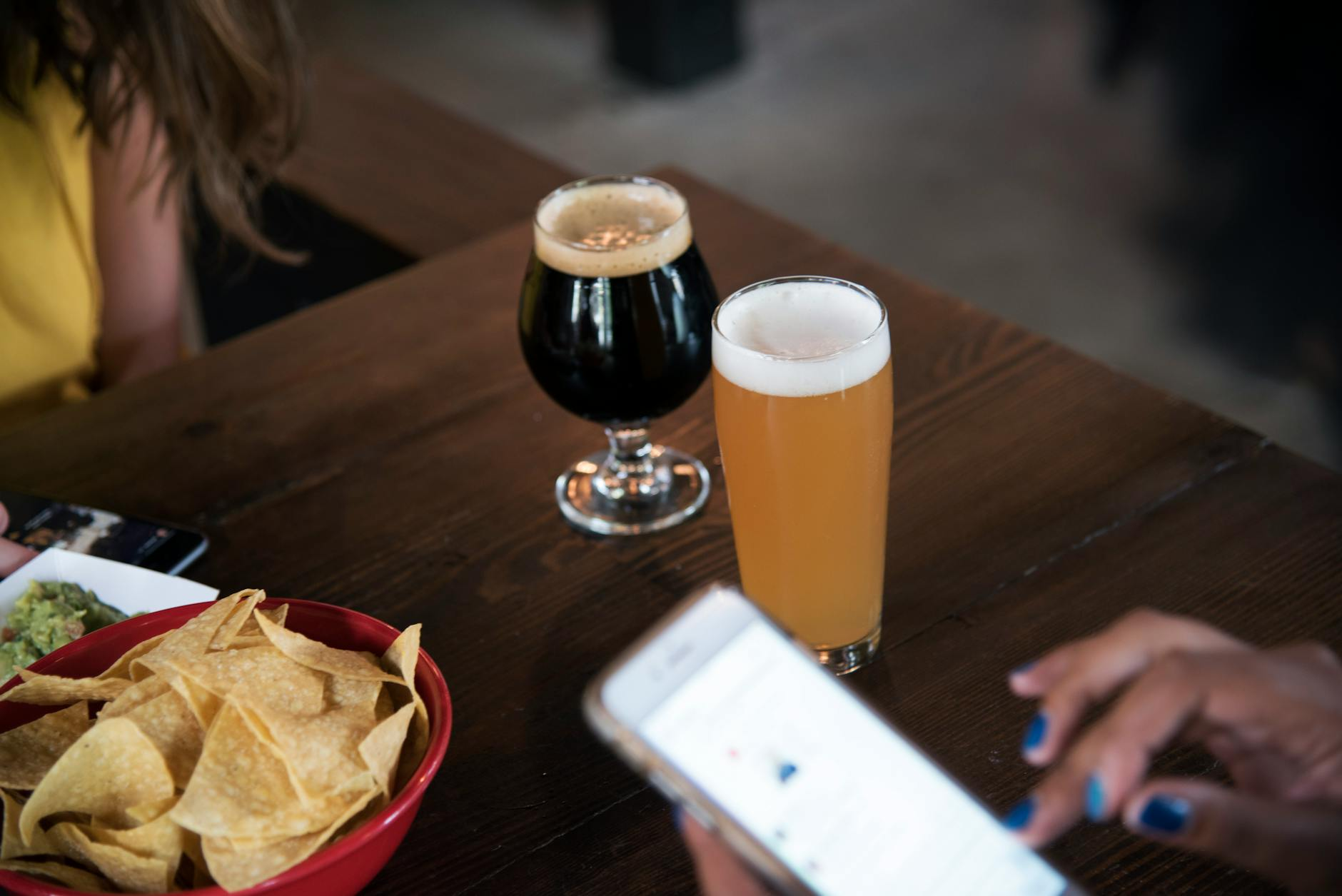
If your goal is body-composition change, alcohol kilojoules count toward your daily total the same way food kilojoules do. A pint of full-strength beer is roughly 1,000 kJ — about the same as two slices of wholegrain toast with peanut butter. Tracking honestly, choosing mid-strength on bigger nights, and spacing drinks across the week all reduce the total without removing the drink itself.
Diabetes Australia's analysis is worth quoting directly: alcohol provides "empty calories" — high kilojoules with no protein, micronutrients, or fibre — and combining alcohol with sugary mixers (a rum and cola at 930 kJ versus a vodka soda at 257 kJ for the same 30 mL spirit) compounds the issue. Beer sits in the middle: it has carbohydrate and a tiny amount of protein, but the bulk of its energy still comes from alcohol.
For most adults aiming at 0.5 kg per week of fat loss — roughly a 2,000 to 2,500 kJ daily deficit — three pints of full-strength beer on a Friday is the entire week's deficit. The arithmetic does not say "don't drink"; it says that if drinking is part of your week, the rest of the week may need to absorb the cost. Two practical strategies that research supports without requiring abstinence:
- Match your usual drinking volume but step down one strength (full-strength → mid-strength saves roughly 30 percent of the energy).
- Match your usual ABV but pour smaller (schooner → pot saves about 33 percent of the energy per drink).
Frequently Asked Questions
How many calories are in a schooner of beer in Australia?
A 425 mL schooner of full-strength beer (4.8% ABV) is about 750 kJ or 180 kcal. A schooner of mid-strength (3.5% ABV) is about 535 kJ or 130 kcal, and a schooner of light beer (2.5% ABV) is about 380 kJ or 90 kcal. In South Australia, "schooner" means a 285 mL glass, which is closer to 500 kJ at full strength.
Does a pot and a middy have the same calories?
Yes. A pot (Victorian and Queensland name) and a middy (NSW, ACT, and WA name) are both 285 mL glasses. A full-strength 4.8% ABV pour in either is about 500 kJ or 120 kcal. The only difference is what the bartender writes on the chalkboard.
Is light beer actually low calorie?
Light beer is meaningfully lower in calories than full-strength, but not as low as the label sometimes suggests. A schooner of 2.5% ABV light beer is about 380 kJ, roughly half a full-strength schooner. "Low-carb" beers (often still 4.6% ABV) save less — usually only 50 to 80 kJ per schooner versus a regular beer of the same alcohol content.
How many kilojoules in an Aussie pint of beer?
A 570 mL Australian pint of full-strength beer (4.8% ABV) is about 1,005 kJ or 240 kcal. A mid-strength pint is about 720 kJ, and a light pint is about 510 kJ. That makes a full-strength pint roughly 12 percent of an 8,700 kJ daily reference intake.
How many beers can you drink in a week under NHMRC guidelines?
The NHMRC 2020 guidelines recommend no more than 10 standard drinks per week and no more than 4 on any single day for healthy adults. In full-strength beer that works out to about six schooners or four-and-a-half pints across a week, with no more than two-and-a-half schooners (or two pints) on any one day.
Why is alcohol so calorie dense?
Each gram of alcohol provides 29 kJ, compared with 17 kJ per gram for carbohydrate and protein, and 37 kJ per gram for fat. Alcohol sits second only to fat for energy density, and unlike fat or protein it carries no micronutrients with it — which is why it is often described as "empty kilojoules" by Diabetes Australia and similar bodies.
How accurate are calorie apps for Australian beers?
Variable. Apps that default to USDA data (most US-built trackers) often store beers as 355 mL US servings with generic ABVs, so AU schooner and pint pours are routinely mis-sized by 20 percent or more. Apps built on the Australian Food Composition Database (AFCD, formerly NUTTAB) — including KCALM — ship with Australian glass-size and ABV defaults that match what is actually poured.
Sources
Ready to track smarter?
Join thousands who use KCALM for calorie tracking. AI-powered food recognition, scientifically-validated calculations, and zero anxiety.
Related Articles
NUTTAB vs USDA: Why Your AU Calorie App Is Probably Wrong
Most calorie apps pull from the USDA database, not Australia's NUTTAB (now AFCD). Here is what that means for accuracy in kilojoules, micronutrients, and AU-specific foods — plus how to fix it.
NutritionAU Chain Calories 2026: Guzman, Grill'd, Nando's, Roll'd
Verified kilojoule and protein figures for Guzman y Gomez, Grill'd, Nando's, and Roll'd in 2026, how accurate AU chain menu boards really are, and how to stay under 8,700 kJ at point of sale.
NutritionUltra-Processed Foods: What They Are and Why They Matter
What are ultra-processed foods? Learn how the NOVA system defines them, why they drive overeating, the health risks the evidence supports, and how to cut back.