Body Recomposition: How to Build Muscle and Lose Fat
Can you build muscle and lose fat simultaneously? Learn how to set calories, protein, and training for body recomposition with science-backed strategies that work.

James Nakamura
Sports Nutritionist & Meal Prep Coach
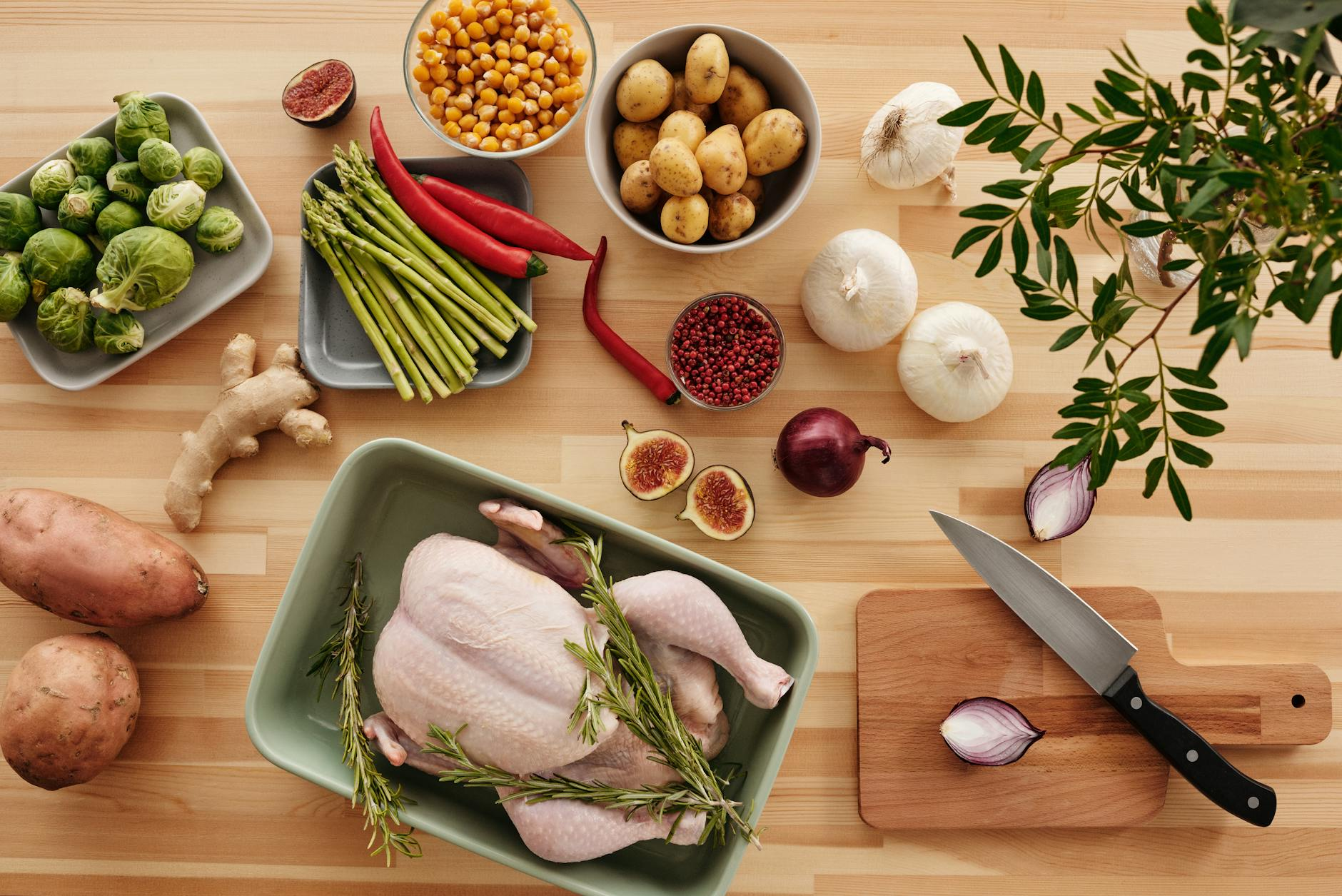
Body recomposition — simultaneously building muscle while losing fat — is achievable for most people when protein intake reaches at least 1.6 g/kg/day combined with resistance training, according to a 2020 meta-analysis in Strength and Conditioning Journal. Unlike traditional bulk-and-cut cycles, recomposition reshapes your body at or near maintenance calories, making it a sustainable long-term approach.
Most fitness advice assumes you must either bulk (calorie surplus for muscle) or cut (calorie deficit for fat loss). But research increasingly shows that body recomposition — gaining muscle and losing fat at the same time — is not only possible but practical for many people. A 2022 systematic review in the International Journal of Sport Nutrition and Exercise Metabolism found that simultaneous fat loss and muscle gain occurred in 65% of resistance training studies where protein intake exceeded 1.6 g/kg/day. This guide covers who body recomposition works best for, how to set your calories and macros, the training protocols that drive results, and how to accurately measure your progress.
What Exactly Is Body Recomposition?
Body recomposition (often called "recomp") is the process of losing body fat while simultaneously gaining lean muscle mass. Unlike traditional approaches that cycle between bulking and cutting phases, recomposition aims to improve your body composition — the ratio of fat to muscle — without dramatic changes in total body weight.
The key insight is that your body can redirect energy from fat stores toward muscle protein synthesis under the right conditions. A 2021 study in the British Journal of Sports Medicine demonstrated that trained individuals eating at maintenance calories with high protein intake (2.0 g/kg/day) gained 1.1 kg of lean mass while losing 0.8 kg of fat mass over 8 weeks.
| Approach | Goal | Calorie Strategy | Timeline | Best For |
| Traditional Bulk | Maximize muscle gain | Surplus (+300-500 kcal) | 3-6 months | Experienced lifters |
| Traditional Cut | Maximize fat loss | Deficit (-500-750 kcal) | 2-4 months | Pre-competition |
| Body Recomposition | Gain muscle + lose fat | Maintenance ± 100 kcal | 3-12 months | Beginners, returning lifters |
| Lean Bulk | Slow muscle gain, minimal fat | Surplus (+100-200 kcal) | 6-12 months | Intermediate lifters |
Who Gets the Best Results From Body Recomposition?
Body recomposition works best for specific populations. Research consistently shows that four groups respond most favorably to simultaneous muscle gain and fat loss.
Can Beginners Really Build Muscle and Lose Fat at the Same Time?
Yes — beginners experience the strongest recomposition effects. A 2018 study in Medicine & Science in Sports & Exercise found that untrained individuals following a resistance training program with adequate protein gained an average of 2.5 kg of muscle while losing 1.7 kg of fat over 12 weeks, even in a mild calorie deficit. This "newbie gains" effect occurs because untrained muscles are highly sensitive to the training stimulus, allowing muscle protein synthesis to remain elevated even when total energy intake is reduced.
Which Groups Respond Best to Recomposition?
For those who have been training consistently for 2+ years, traditional bulk-and-cut cycles typically produce faster results than recomposition.
How Should You Set Calories for Body Recomposition?
The calorie sweet spot for body recomposition is at or slightly below maintenance. Eating at maintenance calories allows your body to use stored fat for energy while directing dietary nutrients toward muscle repair and growth.
A 2023 study published in Nutrients found that a deficit of 10-20% below TDEE (approximately 200-400 calories) produced optimal recomposition in overweight individuals, while lean individuals achieved better results eating at maintenance. The key is avoiding aggressive deficits, which suppress muscle protein synthesis by up to 27% according to research in the American Journal of Clinical Nutrition (2020).
To calculate your starting point:
How Much Protein Do You Need for Body Recomposition?
Protein is the most critical macronutrient for body recomposition. The 2020 meta-analysis in Strength and Conditioning Journal by Barakat et al. established that protein intake of 1.6-2.2 g/kg/day is the minimum threshold for simultaneous muscle gain and fat loss during resistance training.
For optimal results during recomposition:
| Body Weight | Minimum Protein | Optimal Protein | Upper Range |
| 60 kg (132 lbs) | 96 g/day | 120-132 g/day | 132 g/day |
| 70 kg (154 lbs) | 112 g/day | 140-154 g/day | 154 g/day |
| 80 kg (176 lbs) | 128 g/day | 160-176 g/day | 176 g/day |
| 90 kg (198 lbs) | 144 g/day | 180-198 g/day | 198 g/day |
| 100 kg (220 lbs) | 160 g/day | 200-220 g/day | 220 g/day |
What Should Your Macro Split Look Like?
Beyond protein, your remaining calories should be divided between carbohydrates and fats based on training demands and personal preference. A practical recomposition macro split for most people:
- Protein: 30-35% of total calories (1.6-2.2 g/kg)
- Carbohydrates: 35-45% of total calories (prioritize around workouts)
- Fat: 20-30% of total calories (minimum 0.5 g/kg for hormonal health)
What Training Program Drives Body Recomposition?
Resistance training is non-negotiable for body recomposition. Without a progressive overload stimulus, a maintenance-calorie diet will simply maintain your current body composition rather than improve it.
How Many Days Per Week Should You Train?
A 2022 meta-analysis in Sports Medicine found that training frequency of 3-5 days per week with each muscle group trained at least twice per week produced the best recomposition outcomes. The total weekly training volume (sets per muscle group per week) mattered more than individual session duration.
Recommended weekly structure:
Each session should include:
- 3-5 compound exercises (squats, deadlifts, bench press, rows, overhead press)
- 2-3 isolation exercises for lagging muscle groups
- Progressive overload (increase weight, reps, or sets over time)
- Training to within 1-3 reps of failure on most sets
Does Cardio Help or Hurt Body Recomposition?
Moderate cardio (2-3 sessions per week, 20-30 minutes) supports recomposition by increasing energy expenditure without significantly interfering with muscle recovery. However, excessive cardio — particularly long-duration steady-state — can impair muscle protein synthesis and should be limited.
A 2023 review in the Journal of Strength and Conditioning Research found that combining resistance training with 60-150 minutes of weekly cardio improved fat loss by 18% compared to resistance training alone, without reducing muscle gains. Walking (8,000-10,000 steps daily) is the simplest way to add activity without impacting recovery.

How Do You Measure Body Recomposition Progress?
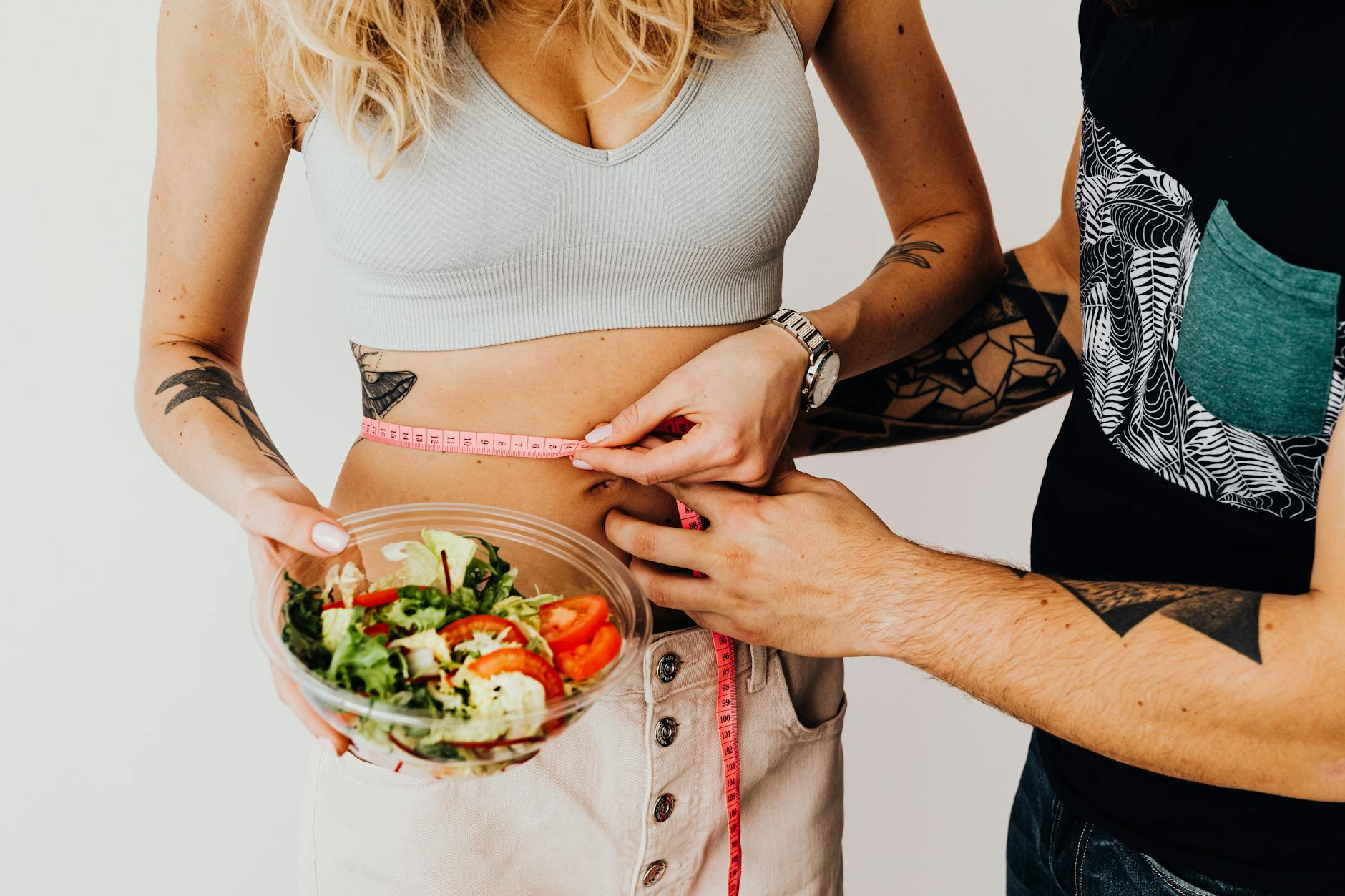
The scale is a poor indicator of body recomposition because you may be gaining muscle at the same rate you're losing fat — resulting in zero weight change despite dramatic visual improvements. Focus on these metrics instead:
A 2019 study in the Journal of Sports Sciences found that waist-to-hip ratio combined with strength metrics predicted body composition changes more accurately than BMI or body weight alone.
For nutrition tracking during recomp, tools like KCALM help you monitor protein intake and overall calories — the two most critical variables. Learn how to tailor your nutrition for specific fitness goals including recomposition.
How Long Does Body Recomposition Take?
Body recomposition is a slower process than dedicated bulking or cutting. Expect visible results in 8-16 weeks for beginners, and 4-6 months for intermediate lifters. The rate of change depends on several factors:
| Factor | Faster Results | Slower Results |
| Training experience | Beginner (<1 year) | Advanced (3+ years) |
| Body fat level | Higher (>25% men / >35% women) | Lower (<15% men / <25% women) |
| Protein intake | >2.0 g/kg/day | <1.6 g/kg/day |
| Sleep quality | 7-9 hours consistently | <6 hours or irregular |
| Stress levels | Well-managed | Chronically elevated |
| Training consistency | 4+ sessions/week | <3 sessions/week |
Frequently Asked Questions
Can you build muscle in a calorie deficit?
Yes, especially if you're a beginner, returning from a break, or carrying excess body fat. A 2020 meta-analysis in Strength and Conditioning Journal found that muscle gain in a calorie deficit is possible when protein intake exceeds 1.6 g/kg/day and resistance training provides sufficient stimulus. The deficit should be mild (10-20% below TDEE) to avoid suppressing muscle protein synthesis.
How much protein do you need for body recomposition?
Research consistently supports 1.6-2.2 g/kg of body weight per day for optimal body recomposition. For an 80 kg person, that means 128-176 g of protein daily. Spread protein intake across 3-5 meals with 25-40 g per meal to maximize muscle protein synthesis throughout the day.
Is body recomposition better than bulking and cutting?
It depends on your goals and experience level. Recomposition is better for beginners, those with higher body fat, and people who prefer a sustainable approach without dramatic weight fluctuations. Bulking and cutting produces faster results for experienced lifters who can tolerate temporary fat gain or muscle loss.
How do you know if body recomposition is working?
Track waist measurements (should decrease), strength on key lifts (should increase), and take weekly progress photos. The scale may barely move during successful recomposition. DEXA scans every 8-12 weeks provide the most accurate assessment of fat loss and muscle gain simultaneously.
Does body recomposition work for women?
Yes. Women can achieve body recomposition effectively, though the rate of muscle gain is typically 50-60% of what men achieve due to lower testosterone levels. Women should still aim for 1.6-2.2 g/kg protein and prioritize progressive resistance training. A 2021 study in European Journal of Sport Science showed women gained an average of 1.5 kg of muscle while losing 1.2 kg of fat over 10 weeks.
How important is sleep for body recomposition?
Sleep is critical. A 2022 study in JAMA Internal Medicine found that sleeping less than 6 hours per night reduced muscle gain by 60% and increased fat retention compared to those sleeping 7-9 hours, even with identical training and nutrition. Prioritize 7-9 hours of quality sleep for optimal hormonal support of muscle growth and fat loss.
Can you do body recomposition with bodyweight exercises only?
Bodyweight exercises can support recomposition for beginners, but progressive overload becomes challenging without external resistance. Most research demonstrating successful recomposition used free weights or machines. If training at home, invest in adjustable dumbbells or resistance bands to ensure continued progression over time.
Should you track macros during body recomposition?
Tracking macros is highly recommended during recomposition, especially protein intake. Since recomposition requires precise calorie and protein targets to work, using a nutrition tracking app helps ensure you're eating enough protein without overconsuming total calories. Even rough tracking is better than guessing.
How often should you change your recomposition calories?
Reassess your calorie intake every 4-6 weeks based on progress. If strength is increasing and waist measurements are decreasing, keep calories the same. If progress stalls, slightly adjust calories (by 100-200 kcal) or increase training volume. Avoid making changes more frequently than every 3 weeks to allow enough time to evaluate results.
Sources
Ready to track smarter?
Join thousands who use KCALM for calorie tracking. AI-powered food recognition, scientifically-validated calculations, and zero anxiety.
Related Articles
Getting Started with Calorie Tracking: A Beginner's Guide
New to calorie tracking? Learn exactly how to start in 5 simple steps — set your calorie goal, pick a tracking method, log your first meal, and build habits that stick.
GuidesIntermittent Fasting and Calorie Tracking: A Complete Guide
Does intermittent fasting work for weight loss? Learn how to combine IF with calorie tracking, the science behind fasting windows, and evidence-based protocols for sustainable results.
GuidesBest Calorie Tracking Apps in 2026: An Honest Comparison
Which calorie tracking app is best in 2026? We compare MyFitnessPal, Cronometer, Lose It!, MacroFactor, Noom, and AI-powered options on accuracy, features, pricing, and ease of use.