Hunger Hormones Explained: How Ghrelin, Leptin, and GLP-1 Drive Appetite
How do hunger hormones really work? Learn how ghrelin, leptin, and GLP-1 control appetite, why dieting and sleep loss disrupt them, and 7 strategies to keep them balanced.

Dr. Maya Patel
Registered Dietitian, M.S. Nutrition Science
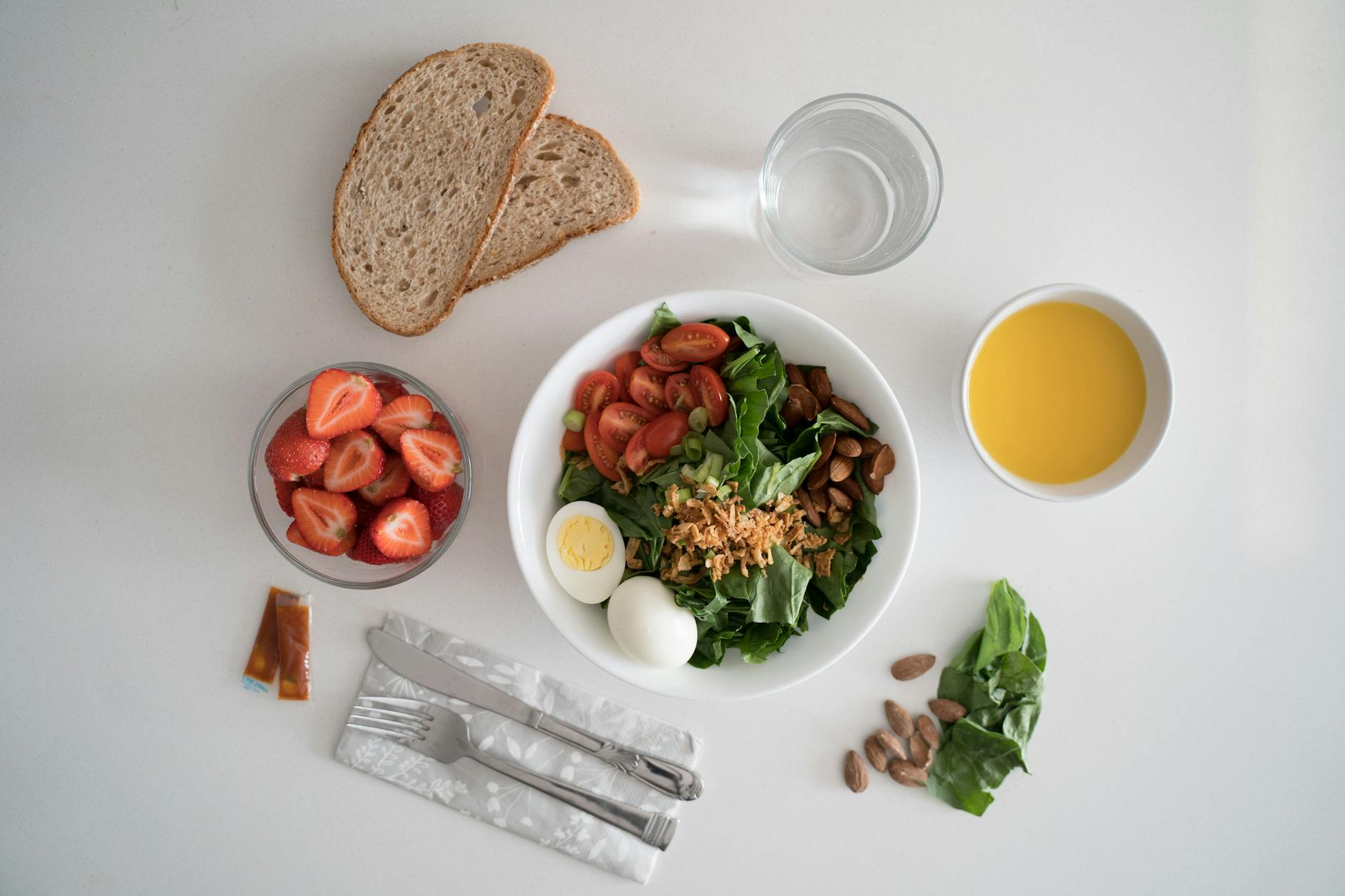
Hunger is hormonal, not just willpower. Three molecules drive most of your appetite: ghrelin (the "hunger hormone" made in the stomach), leptin (the "satiety hormone" made in fat cells), and GLP-1 (released by the gut after eating). When these signals are working well you feel hungry between meals and full during them. When sleep, stress, or chronic dieting throw them off, cravings and overeating follow.
A 2004 Annals of Internal Medicine study by Spiegel et al. showed that sleeping just 4 hours per night raised ghrelin by 28% and lowered leptin by 18% in healthy adults — enough to drive 350-400 extra daily calories. This is why two people on the same diet can have wildly different hunger experiences: the hormones, not the meal plan, often decide adherence.
This guide explains what each hunger hormone does, how they interact, why they go haywire on a diet, and seven evidence-based ways to keep them in balance so calorie tracking actually feels sustainable.
What Are Ghrelin, Leptin, and GLP-1?
Ghrelin, leptin, and GLP-1 are three of the body's primary appetite-regulating hormones. Ghrelin is produced mainly by cells in the stomach lining and signals hunger to the hypothalamus. Leptin is secreted by adipose (fat) tissue and signals long-term energy stores. GLP-1 (glucagon-like peptide-1) is released by the small intestine after meals and slows gastric emptying while telling the brain you are full.
These hormones work as a system, not in isolation. Ghrelin rises before meals and falls within 30-60 minutes of eating. GLP-1 peaks 30-60 minutes after eating and tells you to stop. Leptin operates on a longer timescale, signaling to the brain whether energy stores are adequate over days and weeks. A 2017 Nature Reviews Endocrinology review by Müller et al. documented how disruption to any one of these signals reliably increases food intake within 24-48 hours.

How Does Ghrelin Make You Feel Hungry?
Ghrelin binds to receptors in the hypothalamus and triggers neuropeptide Y release, which generates the conscious sensation of hunger. Levels rise sharply 1-2 hours before habitual meal times, even when you have not actually depleted energy stores — the rise is partially learned through conditioning. A 2003 Journal of Clinical Endocrinology & Metabolism study by Cummings et al. tracked ghrelin in real time and found it spiked before each scheduled meal and crashed within 30 minutes of eating.
Ghrelin does more than drive hunger. It boosts gastric acid secretion, accelerates gastric motility, and stimulates growth hormone release. This is why an empty stomach feels both hungry and "primed to eat." Skipping meals does not lower ghrelin; it amplifies it, which is one reason most weight loss research finds rigid meal-skipping less effective than moderate, regular eating.
What Does Leptin Tell Your Brain?
Leptin reports the size of your fat stores to the hypothalamus over days and weeks. More body fat usually means more leptin, which suppresses appetite and raises energy expenditure. Less body fat means less leptin, which is why dieting reliably increases hunger. A 1995 New England Journal of Medicine study by Considine et al. established the dose-response relationship: each 10% drop in body fat reduces circulating leptin by roughly 50%.
The catch is that obesity itself causes "leptin resistance" — cells stop responding to high leptin levels, similar to how insulin resistance develops. The brain registers low leptin even when actual levels are elevated, driving sustained hunger despite ample energy stores. This is one reason why weight regain after dieting is so common; restored fat does not always restore leptin sensitivity.
How Does GLP-1 Stop You From Eating?
GLP-1 is released by L-cells in the small intestine within minutes of food entering the gut. It slows gastric emptying so food lingers in the stomach longer, stimulates insulin release to manage blood glucose, and acts directly on hypothalamic satiety centers. The combined effect is a reduced desire to eat that lasts 1-3 hours after a meal.
GLP-1 has become the most famous appetite hormone because of GLP-1 medications like semaglutide (Ozempic, Wegovy) and tirzepatide (Mounjaro), which mimic its effects. A 2021 New England Journal of Medicine trial by Wilding et al. on semaglutide showed participants ate 24% fewer calories at a buffet after 20 weeks compared to placebo. Natural GLP-1 release is much smaller but is the same mechanism most "filling" foods use to suppress appetite. For more on the medications, see our GLP-1 medications and nutrition guide.
How Do These Hormones Work Together?
The three hunger hormones form a coordinated system: ghrelin starts meals, GLP-1 ends them, and leptin sets the long-term hunger baseline. When any one signal weakens, the others usually compensate, but compensation has limits. Sleep loss, chronic stress, and dieting can all desynchronize the system at once.
| Hormone | Source | Direction | Timescale | What disrupts it |
| Ghrelin | Stomach | Increases hunger | Pre-meal spike, 30-60 min | Sleep loss, dieting, irregular meals |
| Leptin | Fat cells | Decreases hunger | Days to weeks | Weight loss, leptin resistance, sleep loss |
| GLP-1 | Small intestine | Decreases hunger | Post-meal, 30-180 min | Low protein/fiber meals, fast eating |
| Insulin | Pancreas | Mixed | Post-meal, 1-3 hours | Insulin resistance, ultra-processed foods |
| Cholecystokinin (CCK) | Small intestine | Decreases hunger | Post-meal, 30-90 min | Low-fat meals, fast eating |
| Peptide YY (PYY) | Lower gut | Decreases hunger | Post-meal, 1-4 hours | Low-fiber meals, gut dysbiosis |
Why Do Hunger Hormones Go Haywire When You Diet?
Caloric deficits trigger hormonal defenses against weight loss, and those defenses get stronger the longer you diet. A 2011 New England Journal of Medicine study by Sumithran et al. tracked 50 obese adults through 10 weeks of weight loss and found ghrelin remained 20% above baseline a full 12 months after the diet ended, while leptin stayed 35% below baseline. The body treats lost fat as a famine to be reversed.
Three patterns make this worse: rapid weight loss (over 1% body weight per week), very low protein intake, and sleep deprivation. Each independently amplifies the hormonal hunger response. Slow weight loss, high protein (1.6-2.2 g/kg), and 7-9 hours of sleep partially blunt the rebound but do not eliminate it. For practical strategies, see our sustainable weight loss guide.
How Does Sleep Loss Wreck Your Hunger Hormones?
Even one short night damages appetite regulation. The 2004 Spiegel study found that two nights of 4-hour sleep raised ghrelin 28%, lowered leptin 18%, and increased self-reported hunger by 24%. A 2010 American Journal of Clinical Nutrition trial by Nedeltcheva et al. found sleep-restricted dieters lost 55% less fat and 60% more lean mass than well-rested dieters on identical calorie targets. Sleep is not optional for appetite control. Our stress, sleep, and nutrition guide covers this in depth.
Does Stress Make You Hungrier?
Yes. Acute stress briefly suppresses appetite via norepinephrine, but chronic stress raises cortisol, which increases ghrelin and pushes food choices toward calorie-dense, high-sugar items. A 2017 Psychoneuroendocrinology meta-analysis by Chao et al. found chronic-stress conditions increase ghrelin by 15-25% and reduce leptin sensitivity. Stress eating is hormonal, not just emotional.

How Do You Keep Hunger Hormones Balanced?
You cannot abolish dieting-induced hunger, but you can keep it manageable. Seven evidence-based levers reliably influence ghrelin, leptin, and GLP-1 in the right direction. None of them require supplements or medications.
What Foods Naturally Boost GLP-1?
Foods that delay gastric emptying or feed gut bacteria producing short-chain fatty acids reliably increase GLP-1. The standout categories are protein (especially whey and casein), soluble fiber (oats, beans, psyllium, apples), fermented foods (yogurt, kefir, kimchi), and unsaturated fats (olive oil, nuts, avocado). A 2019 Nutrients review by Bodnaruc et al. ranked whey protein, oats, and beans as the most potent natural GLP-1 stimulators in human trials.
Should You Track Hunger Alongside Calories?
For many people, yes — at least temporarily. Logging hunger on a 1-10 scale before and after meals exposes patterns: which meals leave you hungry within 2 hours, which lunch composition keeps you full until dinner, which evenings drive reflex snacking. Tracking your hunger curve for 2 weeks alongside calories often does more for adherence than another macro tweak. Our psychology of calorie counting guide covers low-friction ways to layer this on without burnout.
Frequently Asked Questions
Can you reset your hunger hormones?
Partially, but it takes time. Sleep, slow weight loss, and high-protein, high-fiber meals can restore much of normal ghrelin and leptin signaling within 8-12 weeks. Leptin sensitivity in obesity recovers more slowly and may take 6-24 months of weight stability. A 2011 Sumithran study found ghrelin still elevated a full year post-diet, so "reset" is gradual, not overnight.
Do GLP-1 medications work the same as natural GLP-1?
The mechanism is identical, but the dose and duration differ massively. Natural GLP-1 lasts 1-2 minutes in the bloodstream before being broken down. Semaglutide and tirzepatide are engineered to last about a week per injection, producing sustained appetite suppression that diet cannot match. They are tools for people with clinical obesity or diabetes, not weight loss shortcuts. See our GLP-1 medications guide for full details.
Why am I so hungry after starting a diet?
Because your body fights weight loss with a multi-hormone defense. Caloric deficits raise ghrelin, lower leptin, and reduce GLP-1 sensitivity within 1-2 weeks. Hunger usually peaks at weeks 4-8 of a deficit. Slowing weight loss, hitting protein and fiber targets, and protecting sleep blunts but does not eliminate the response.
Does fasting reset hunger hormones?
Short-term fasting (16-24 hours) lowers insulin and modestly increases growth hormone but does not "reset" ghrelin or leptin. Ghrelin habituates quickly to a fasting schedule — within 2-3 days the pre-meal spikes shift to your eating window. Long-term fasting protocols can disrupt leptin signaling, especially in lean individuals. For balanced eating-window strategies, see our intermittent fasting guide.
Why do I get hungrier when I do not sleep enough?
Sleep loss directly disrupts the brain's appetite circuits. Even one night of 4-hour sleep raises ghrelin 15-30%, lowers leptin 15-20%, and shifts food preference toward high-calorie, high-carb items. The 2010 Nedeltcheva trial showed sleep-restricted dieters lost 55% less fat on identical calorie targets. Sleep deprivation also raises endocannabinoid levels, which independently increase reward-driven eating.
Can gut bacteria affect hunger hormones?
Yes, significantly. Gut microbes ferment fiber into short-chain fatty acids (especially butyrate and propionate), which directly stimulate GLP-1 and PYY release from intestinal L-cells. Low-fiber diets and antibiotic disruption of gut bacteria reduce these signals. A 2020 Gut review by Asadi et al. linked gut microbiome diversity to satiety hormone production. For the broader picture, see our gut-brain connection guide.
Is "hunger" the same as low blood sugar?
Not quite. Blood-sugar dips can drive hunger, especially after high-carb meals, but most everyday hunger is hormonal rather than glycemic. Ghrelin rises on a learned schedule regardless of blood glucose, and most healthy adults regulate blood sugar within a tight window even between meals. Persistent hunger plus shakiness or sweating in someone without diabetes usually points to anxiety or rapid carb meals, not true hypoglycemia.
Can specific foods kill hunger long-term?
No single food turns off appetite, but high-protein, high-fiber, high-volume foods consistently produce the longest satiety. Eggs, Greek yogurt, oats, beans, lentils, fish, lean meat, berries, and non-starchy vegetables score highest on the validated Satiety Index. Ultra-processed foods score lowest because they are engineered to be eaten quickly with minimal GLP-1 and CCK release per calorie.
Sources
Ready to track smarter?
Join thousands who use KCALM for calorie tracking. AI-powered food recognition, scientifically-validated calculations, and zero anxiety.
Related Articles
MyFitnessPal vs Cronometer Accuracy: 2026 Research Review
Peer-reviewed validation studies put MyFitnessPal energy error at plus 1.3 percent against the Belgian Nubel database but show poor reliability for protein, sodium, and cholesterol — while a 2025 study in 43 Canadian endurance athletes found Cronometer carried good validity for almost every nutrient. What the 2024 scoping review of 46 calorie apps found, where user-submitted entries break, and a five-step playbook for getting closer to the truth.
ScienceWalking Calorie Calculator: ACSM Pace + Incline Math 2026
Most calorie apps approximate walking with a flat MET value, but the ACSM walking equation accounts for pace and incline. What 2024 Compendium MET values say, where ACSM drifts by 9 to 20 percent against indirect calorimetry, and a recalibrated walking calorie table for 2026.
ScienceTDEE Activity Multipliers Overestimate: 2026 Research Review
Standard TDEE activity multipliers (1.2 sedentary, 1.375 lightly active, 1.55 moderate) descend from a 1919 cohort and overstate energy needs for most desk workers by 15 to 25 percent. What 2024 doubly labelled water research found across 56 adults, why Pontzer's constrained TDEE model matters, and a recalibrated multiplier table for 2026.