Gut-Brain Connection: How Your Gut Affects Mood and Cravings
How does your gut shape mood, cravings, and weight? Learn the gut-brain axis, the vagus nerve and microbiome roles, and 8 evidence-based strategies.

Dr. Maya Patel
Registered Dietitian, M.S. Nutrition Science
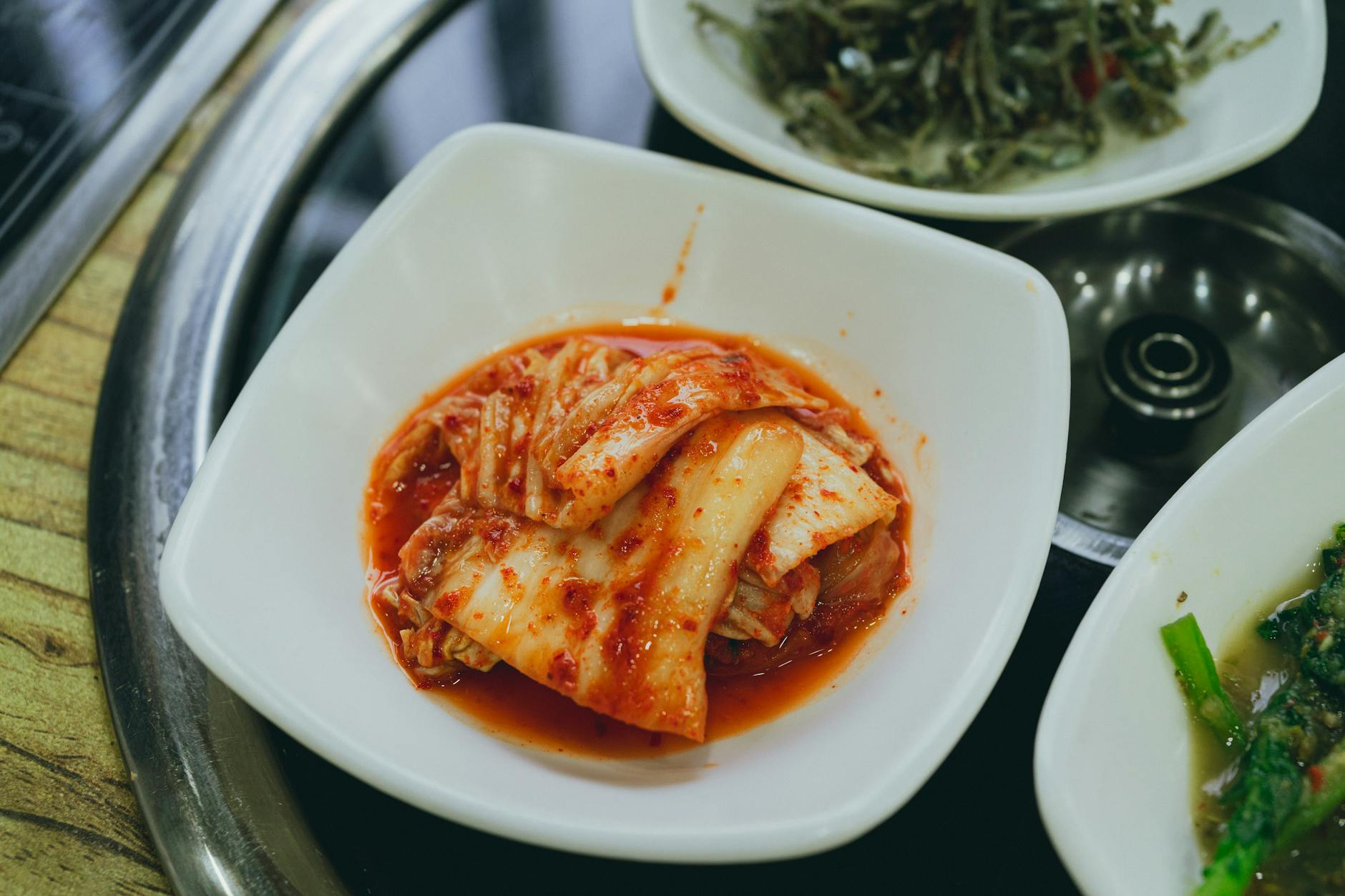
Your gut and brain are linked through the vagus nerve, gut hormones, and microbe-made compounds. About 95% of your serotonin is produced in the gut, not the brain. A 2017 trial in BMC Medicine found that a 12-week whole-food diet pushed 32% of adults with major depression into remission, versus 8% in a control group, showing how directly food shapes mood.
The "gut feeling" you have when something is off is not metaphor. The 200 million nerve fibers running between your digestive tract and your central nervous system carry constant traffic about hunger, satiety, inflammation, and even threat assessment. Add the trillions of microbes living in your colon, each capable of producing neurotransmitters and short-chain fatty acids that cross into your bloodstream, and you have a second brain that talks to the first all day long.
Understanding this connection changes how you think about cravings, mood, and weight loss. The same lunch can either calm your nervous system and reduce afternoon snacking or spike inflammation that drives cortisol and sugar cravings six hours later. This guide covers the science of the gut-brain axis, why it matters for daily eating, and the evidence-based steps that strengthen it.
What Is the Gut-Brain Axis?
The gut-brain axis is the bidirectional communication network between your central nervous system (brain and spinal cord) and your enteric nervous system (the nerves embedded in your digestive tract). Information flows in both directions through three main channels: the vagus nerve, hormonal signals, and immune messengers, all influenced by your gut microbiome.
A 2018 review in Frontiers in Neuroscience by Bonaz et al. mapped over 200 million neurons running between the gut and brain, more than the spinal cord contains. About 80-90% of vagus nerve traffic is afferent, meaning it sends signals from gut to brain rather than the other way around. Your gut tells your brain what is happening far more than your brain tells your gut.
Why Is the Gut Called the "Second Brain"?
The enteric nervous system (ENS) contains roughly 500 million neurons, organized in two thin layers along the entire 30-foot length of the digestive tract. It can run digestion autonomously without input from the brain, which is why the late neurogastroenterologist Michael Gershon called it the "second brain" in his 1998 book of the same name.
The ENS produces over 30 neurotransmitters, including dopamine, serotonin, GABA, and acetylcholine. These chemicals do not all reach the brain directly, but their gut-side activity changes vagus nerve signaling, which the brain then interprets. When your gut is inflamed, the messages it sends upstream change in tone and frequency, and your mood often follows.
How Does Your Gut Talk to Your Brain?
The gut-to-brain conversation runs on multiple parallel channels, each with a different timescale and message type. Together they form a continuous feedback loop that influences appetite, mood, sleep, and cognition.
What Role Does the Vagus Nerve Play?
The vagus nerve is the longest cranial nerve in the body and the main physical wire between gut and brain. It carries real-time signals about gut stretch (you are full), inflammation, and microbial metabolites. Severing the vagus nerve in animal studies abolishes most gut-driven mood and behavior effects, demonstrating how central this pathway is.
A 2013 study in Proceedings of the National Academy of Sciences by Bravo et al. showed that mice given a Lactobacillus rhamnosus probiotic showed reduced anxiety and stress hormone responses, but only if their vagus nerve was intact. Vagal tone, your nervous system's ability to shift between stress and rest, is now considered a key biomarker of gut-brain health.
Which Neurotransmitters Are Made in Your Gut?
Your gut produces an outsized share of the chemicals that regulate mood. The headline statistic, that 95% of serotonin is made in the gut, comes from gastrointestinal research first published in the 1950s and confirmed repeatedly since. Most of that gut serotonin acts locally on motility and immunity rather than crossing the blood-brain barrier, but it still influences vagus nerve signaling and systemic inflammation.
Other gut-made neurotransmitters include about 50% of the body's dopamine, plus GABA, norepinephrine, and acetylcholine, all produced by both gut cells and resident bacteria. Specific bacterial species like Lactobacillus and Bifidobacterium synthesize GABA directly. For more on which strains do what, see our prebiotics vs. probiotics beginner's guide.

How Does Your Gut Microbiome Affect Mood?
The trillions of bacteria, viruses, and fungi living in your colon collectively weigh about 4-5 pounds and have a metabolic capacity comparable to your liver. They ferment fiber into short-chain fatty acids (SCFAs), produce vitamins, and shape immune signaling, all of which influence brain chemistry.
A landmark 2019 study in Nature Microbiology by Valles-Colomer et al. analyzed 1,054 people in the Flemish Gut Flora Project and found that two bacterial genera, Coprococcus and Dialister, were consistently depleted in people with depression, even after controlling for antidepressant use. The 2017 SMILES trial in BMC Medicine by Jacka et al. then showed that switching depressed adults to a Mediterranean-style diet for 12 weeks produced a 32.3% remission rate, more than three times the 8% rate in a social support control group.
Can Your Gut Bacteria Make You Anxious or Depressed?
Animal studies have shown that transferring stool from depressed humans into germ-free rats induces depressive-like behavior in the rats, which is striking evidence that the microbiome can carry mood-related signals. In humans the picture is correlational rather than causal, but consistent. A 2019 meta-analysis in Neuroscience and Biobehavioral Reviews by Liu et al. found that probiotic supplementation reduced depression scores by a small but statistically significant amount across 21 randomized trials.
The proposed mechanisms are inflammation (gut bacteria help regulate it), neurotransmitter production, vagus nerve signaling, and tryptophan metabolism. Imbalances in any of these can show up as anxiety, low mood, brain fog, or poor stress tolerance long before any digestive symptom appears.
Can Your Gut Bacteria Influence Cravings?
Yes, and the mechanism is more direct than most people expect. Different bacterial species thrive on different substrates, so a microbiome heavy in sugar-loving bacteria sends signals that reinforce sugar consumption, while a fiber-loving microbiome rewards plant-rich meals.
A 2014 paper in BioEssays by Alcock et al. proposed that gut microbes influence host food choices through three channels: producing toxins that make you feel bad if you do not feed them their preferred substrate, hijacking vagal signaling to alter taste receptors, and changing reward neurotransmitters to reinforce specific eating behaviors. A 2022 study in Cell on humans found that targeted dietary fiber interventions shifted both microbiome composition and self-reported sweet cravings within four weeks.
This means the cycle of "I crave sugar because I have been eating sugar" is not entirely psychological. It has a measurable microbial component, and resetting it requires several weeks of feeding the bacteria you want rather than the ones you have.
Does What You Eat Change Your Mood Within Days or Weeks?
Both. The gut-brain axis operates on multiple timescales, and dietary changes show up at each.
| Timeframe | What changes | What you feel |
| Hours | Blood sugar, gut peptides (GLP-1, PYY), inflammation | Energy, satiety, post-meal mood dip or lift |
| Days | Microbial metabolite production (SCFAs, neurotransmitters) | Bowel regularity, sleep quality, baseline mood |
| 2-4 weeks | Microbiome composition, gut barrier integrity | Cravings, anxiety, stress tolerance |
| 8-12 weeks | Inflammation markers, vagal tone, depression scores | Clinical mood improvement, stable appetite |
Which Foods Support a Healthy Gut-Brain Connection?
The dietary pattern with the most evidence is whole-food, fiber-rich, and rich in fermented foods, similar to the Mediterranean and traditional Japanese patterns. Specific food categories carry most of the impact.
| Category | Best examples | What they do |
| Fermented foods | Yogurt, kefir, sauerkraut, kimchi, tempeh, miso | Deliver live bacteria; reduce inflammation markers |
| Fiber (prebiotic) | Oats, legumes, onions, garlic, asparagus, bananas | Feed SCFA-producing bacteria like Faecalibacterium |
| Polyphenol-rich | Berries, dark chocolate, green tea, olive oil, herbs | Selectively boost beneficial microbes; antioxidant |
| Omega-3 fatty acids | Salmon, sardines, walnuts, flaxseed, chia | Reduce neuroinflammation; improve mood scores |
| Tryptophan-rich | Eggs, turkey, tofu, pumpkin seeds | Substrate for serotonin synthesis (with B6 and iron) |
| Polyphenol coffee/tea | Coffee (filtered), green tea, matcha | Modulate microbiome diversity at moderate doses |
What Lifestyle Factors Damage the Gut-Brain Axis?
Diet is the largest lever, but four other factors meaningfully shape gut-brain health and routinely undo dietary gains when ignored.
The good news is that each of these is independently modifiable. Our companion guide on stress and sleep effects on nutrition covers the cortisol and sleep mechanisms in more detail.

How Can You Strengthen Your Gut-Brain Connection?
Eight evidence-based strategies cover most of the gain. None requires supplements; all change inputs the gut-brain axis depends on.
If you are also calorie tracking, watch how mood and cravings change as your gut-friendly food count rises. Many users in our psychology of calorie counting walkthrough notice cravings drop sharply once daily fiber crosses 25 grams.
Frequently Asked Questions
Can poor gut health really cause anxiety or depression?
Yes, in many cases the gut is part of the picture rather than the whole cause. A 2019 Nature Microbiology study found specific bacteria depleted in depressed adults, and the SMILES trial showed dietary change can produce remission rates over three times higher than social support controls. Gut interventions complement rather than replace standard mental health care, and severe symptoms still warrant professional evaluation.How long until I feel mood changes from gut-friendly eating?
Most people notice subtle improvements in energy and digestion within 1-2 weeks, clearer mood and craving changes by 4-6 weeks, and clinically measurable improvements by 8-12 weeks. The 2017 SMILES trial used a 12-week protocol, which is roughly the time required for both microbiome composition and inflammation markers to fully shift on a sustained whole-food diet.Do probiotic supplements work as well as fermented foods?
Usually not. Fermented foods contain a wider mix of strains in a food matrix that supports survival through stomach acid, plus they deliver fiber, vitamins, and polyphenols. A 2021 Cell study found fermented foods outperformed isolated probiotics for raising microbial diversity. Probiotics can help in specific situations (post-antibiotic, IBS, traveler's diarrhea) but rarely match the breadth of food sources.Why do I crave sugar more when stressed?
Stress raises cortisol, which increases insulin resistance and shifts gut bacteria toward species that thrive on sugar. Those bacteria signal back through the vagus nerve and gut hormones to reinforce sugar intake. The result is a real biological craving, not a willpower failure. Breaking the loop usually requires both stress reduction and 2-4 weeks of feeding fiber-loving bacteria instead.Can the gut-brain axis affect weight loss?
Strongly. Microbiome composition influences how many calories you extract from food, your appetite hormones (GLP-1, PYY, ghrelin), and your inflammation level. A 2013 Nature paper by Ridaura et al. transplanted gut bacteria from obese and lean human twins into germ-free mice, and the mice took on the donor's weight phenotype despite eating identical diets. For humans the effect is smaller, but real.Is "leaky gut" a real condition?
Increased intestinal permeability is well documented in research and shows up in conditions like celiac disease, IBD, and after heavy NSAID or alcohol use. The popular wellness term "leaky gut syndrome" is broader and not a formal medical diagnosis. The underlying biology, that a damaged gut barrier lets microbial products cross into circulation and trigger systemic inflammation, is real and is one mechanism linking gut and brain.Does fiber really change brain chemistry?
Yes, indirectly. Gut bacteria ferment soluble fiber into short-chain fatty acids, mostly butyrate, propionate, and acetate. A 2019 review in Nature Reviews Gastroenterology and Hepatology by Dalile et al. showed that SCFAs cross into circulation and influence the blood-brain barrier, microglial activity, and neurotransmitter synthesis. This is the main reason fiber-rich diets show consistent mood and cognition benefits.Do antibiotics permanently damage gut-brain health?
Usually not, but recovery is slower than people expect. A typical antibiotic course knocks down microbial diversity within days, and full recovery to baseline takes 6-12 months in most adults, longer with repeated or broad-spectrum courses. Supporting recovery with daily fiber, fermented foods, and stress management speeds the process. Avoid unnecessary antibiotics, but take them when medically required.Sources
Ready to track smarter?
Join thousands who use KCALM for calorie tracking. AI-powered food recognition, scientifically-validated calculations, and zero anxiety.
Related Articles
ChatGPT Calorie Counting Accuracy: 2026 Research Review
What four peer-reviewed 2025 studies found when they tested ChatGPT-4, ChatGPT-5, Claude, and Gemini on real meal photos — energy errors of 14 to 36 percent, why portion size and protein break the models, and a five-step AU workflow for using ChatGPT calorie estimates inside an 8,700 kJ day.
ScienceGLP-1 Calorie Targets 2026: Mounjaro, Ozempic AU Guide
Evidence-based calorie and protein targets for adults on tirzepatide (Mounjaro) or semaglutide (Ozempic, Wegovy) in Australia 2026, with dose-escalation tables, 8,700 kJ reference math, and how to track without losing lean mass.
ScienceTDEE Calculator AU + US: The Formulas Apps Get Wrong
Calculate your TDEE in AU (kg, cm, kJ) and US (lb, in, kcal) units, see worked Mifflin-St Jeor and Katch-McArdle examples, and learn the 4 errors most calorie apps make.