Wearables and Nutrition: How Fitness Trackers Improve Diet
Can wearables improve your diet? Learn how smartwatches and fitness trackers enhance calorie tracking accuracy, sync with nutrition apps, and help you hit your health goals.

Dr. Maya Patel
Registered Dietitian, M.S. Nutrition Science
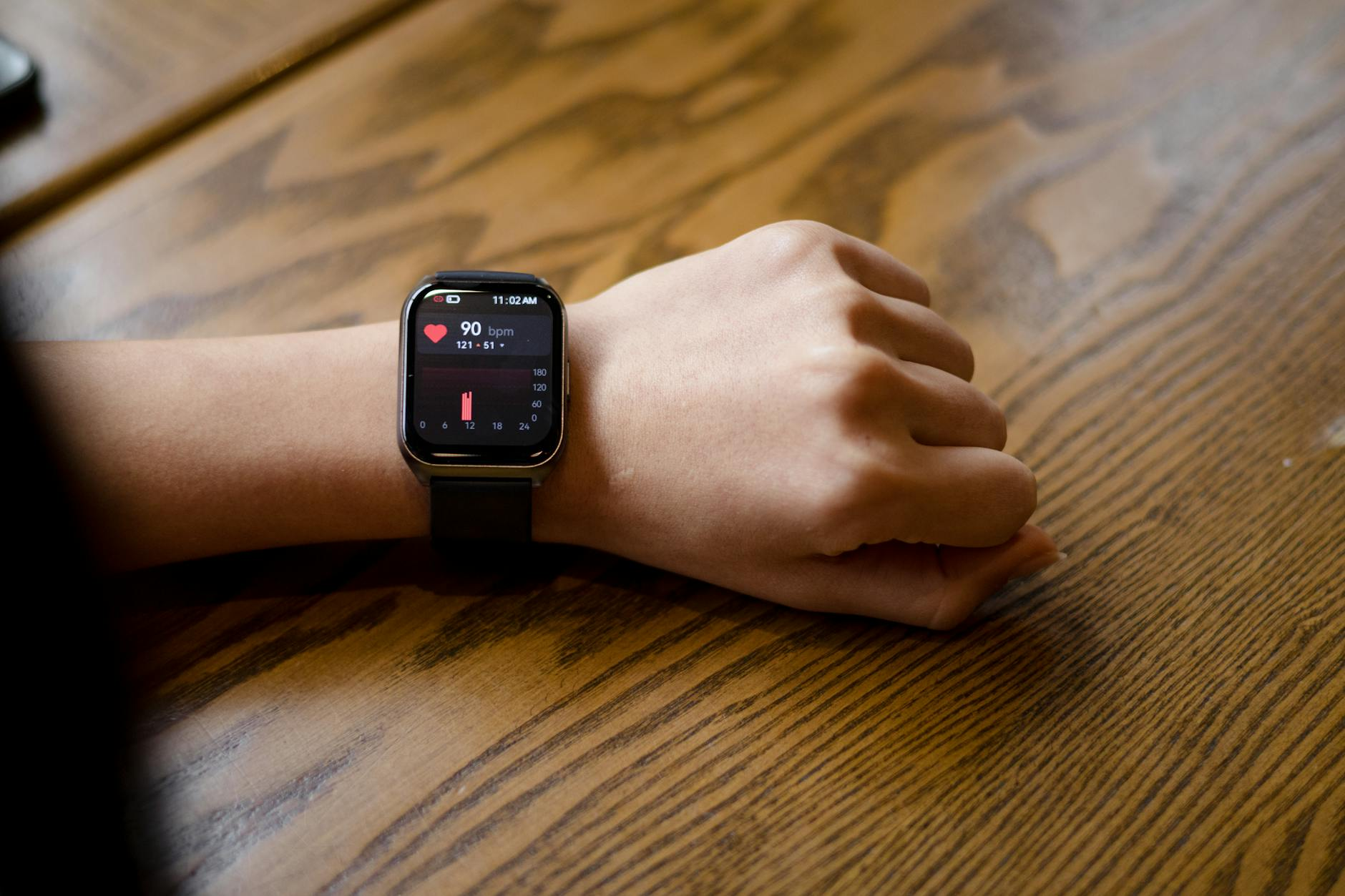
Wearable fitness trackers can improve nutrition outcomes by 15-20% when paired with food logging, according to a 2024 systematic review in the Journal of Medical Internet Research. Smartwatches and fitness bands provide real-time calorie burn data, activity-adjusted TDEE estimates, and behavioral nudges that make diet tracking more accurate and sustainable than food logging alone.
The global wearable health technology market reached $61 billion in 2025, and an estimated 1 in 3 U.S. adults now wears a fitness tracker or smartwatch daily (Statista, 2025). Yet most people only use their wearable for step counting — missing the powerful nutrition insights these devices can unlock. This guide covers how wearables enhance calorie tracking, which metrics actually matter for your diet, and how to integrate your fitness tracker with a nutrition app for the best results.
How Do Wearables Improve Calorie Tracking Accuracy?
Wearables improve calorie tracking by providing continuous energy expenditure data that replaces the rough activity multipliers used in traditional TDEE calculations. Instead of guessing whether you're "lightly active" or "moderately active," your watch measures actual movement, heart rate, and sometimes even skin temperature throughout the day.
A 2023 study in the British Journal of Sports Medicine found that wearable-based TDEE estimates were within 10-15% of doubly labeled water measurements (the gold standard), compared to 20-30% error with self-reported activity questionnaires. This matters because even a 200-calorie daily miscalculation compounds to roughly 1.5 kg of unintended weight change over 3 months.
| Estimation Method | Typical Error Range | Best For |
| Self-reported activity level | ±20-30% | Quick initial estimate |
| Pedometer-based (steps only) | ±15-25% | Walking-dominant lifestyles |
| Wrist-based HR + accelerometer | ±10-15% | General daily tracking |
| Chest-strap HR monitor | ±5-10% | Structured exercise sessions |
| Doubly labeled water | ±1-3% | Research (gold standard) |
Which Wearable Metrics Actually Matter for Nutrition?
Not every metric on your smartwatch is relevant to your diet. The most nutrition-impactful metrics fall into three categories: energy expenditure, activity patterns, and recovery signals.
What Is Active Calories vs. Total Calories?
Your wearable reports two calorie numbers that are often confused. Total calories (also called total energy expenditure) includes your basal metabolic rate plus all activity. Active calories represent only the energy burned above your resting rate during movement and exercise.
For nutrition planning, total calories is the number that matters. Your daily food intake needs to match or create a deficit from total expenditure — not just active calories. A common mistake is eating back only active calories without accounting for BMR, which can lead to unintended overeating. Understanding the difference between calorie deficit and surplus is essential for using wearable data effectively.
How Reliable Is Wearable Heart Rate Data for Calorie Estimates?
Optical heart rate sensors on wrist-worn devices have improved significantly but still have limitations. A 2024 validation study in Medicine & Science in Sports & Exercise tested 7 popular wearables and found that wrist-based heart rate accuracy averaged within 3-5 bpm at rest and 7-12 bpm during exercise, with accuracy dropping during high-intensity interval training and strength exercises.
Heart rate is used as a proxy for oxygen consumption and therefore calorie burn. The relationship is strong during steady-state aerobic exercise (walking, jogging, cycling) but weaker during:
For more accurate exercise tracking, consider pairing your wearable with a chest strap during structured workouts, then relying on the wrist sensor for all-day passive monitoring.
How Do Wearables Integrate with Nutrition Tracking Apps?
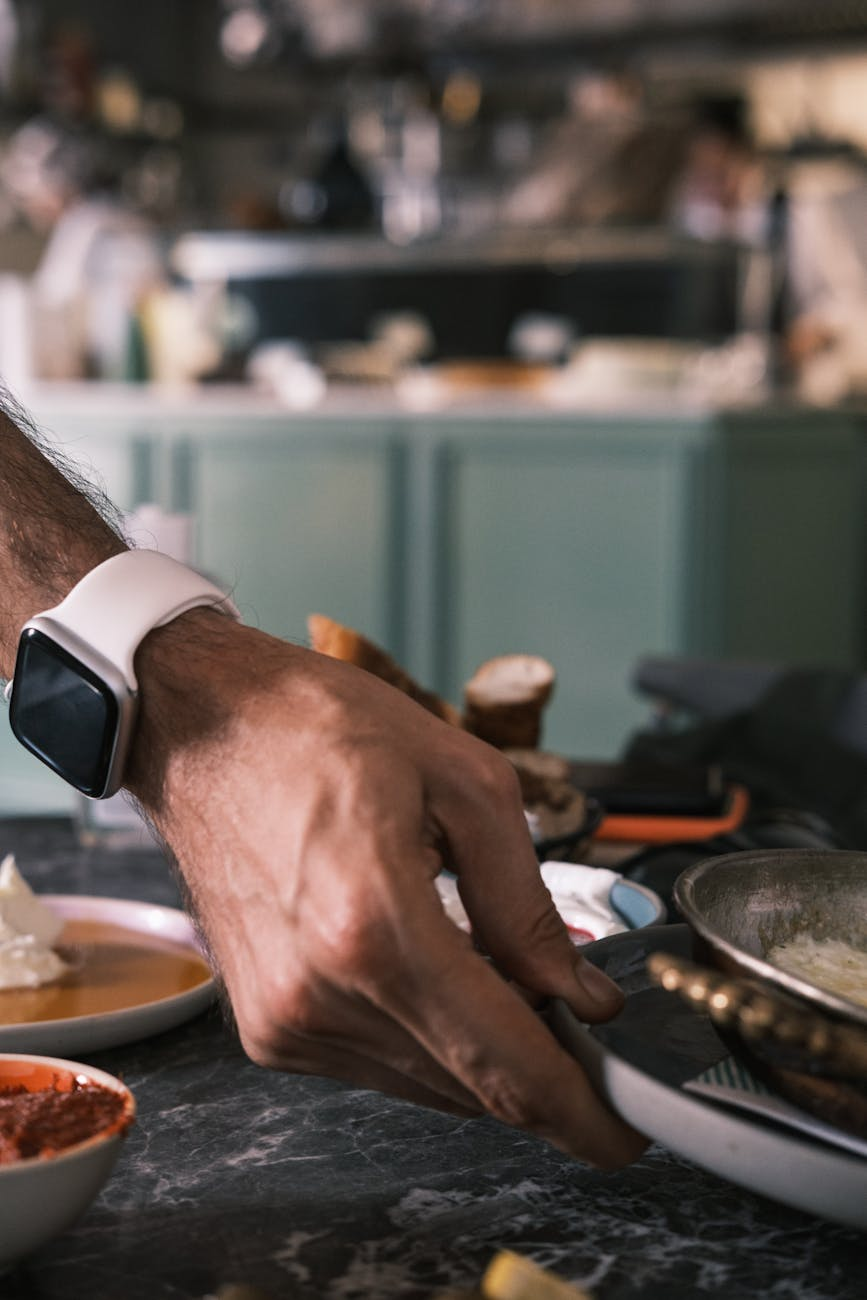
Modern wearables sync with nutrition apps through platform APIs, creating a two-way data flow: the wearable sends calorie burn and activity data to the nutrition app, while the app can adjust daily calorie targets based on actual expenditure.
Which Platforms Offer the Best Nutrition Integration?
The major wearable platforms each handle nutrition data differently:
| Platform | Nutrition App Sync | Calorie Adjustment | Notable Feature |
| Apple Health (Apple Watch) | 200+ apps supported | Real-time via HealthKit | Unified health dashboard |
| Google Health Connect (Fitbit, Pixel Watch) | 50+ apps supported | Hourly sync | Sleep-nutrition correlation |
| Samsung Health (Galaxy Watch) | 30+ apps supported | Daily recalculation | Body composition via BIA |
| Garmin Connect | 20+ apps supported | Post-activity sync | Advanced athletic metrics |
| Whoop | Limited app sync | Strain-based guidance | Recovery-focused nutrition |
What Is Adaptive TDEE and Why Does It Matter?
Traditional TDEE calculators give you a single daily number based on an activity multiplier. Adaptive TDEE uses your wearable's continuous data stream to calculate a rolling average that adjusts to your actual lifestyle — including rest days, travel days, and unusually active days.
A 2023 study in Obesity tracked 287 participants over 12 weeks and found that those using adaptive TDEE (wearable-adjusted) achieved 23% greater adherence to calorie targets compared to those using a fixed TDEE estimate. The adaptive group also reported 31% lower frustration with calorie tracking because their targets felt more personalized and responsive to daily fluctuations.
This approach works especially well for people whose activity varies significantly day-to-day — a pattern common among those who combine intermittent fasting with calorie tracking.
Can Wearables Help You Build Better Eating Habits?
Beyond calorie math, wearables influence nutrition behavior through three psychological mechanisms: real-time feedback, pattern recognition, and accountability.
How Does Real-Time Feedback Change Eating Behavior?
When you can see how many calories you've burned by 3 PM, you make different food choices at dinner. A 2022 randomized controlled trial in the American Journal of Preventive Medicine (n=468) found that participants who received real-time calorie balance notifications from their wearable made 18% more accurate portion size decisions and consumed 12% fewer calories from unplanned snacking compared to the control group.
This mirrors the broader psychology of calorie counting — making invisible information visible reduces the cognitive biases that derail nutrition plans.
What Role Does Sleep Tracking Play in Nutrition?
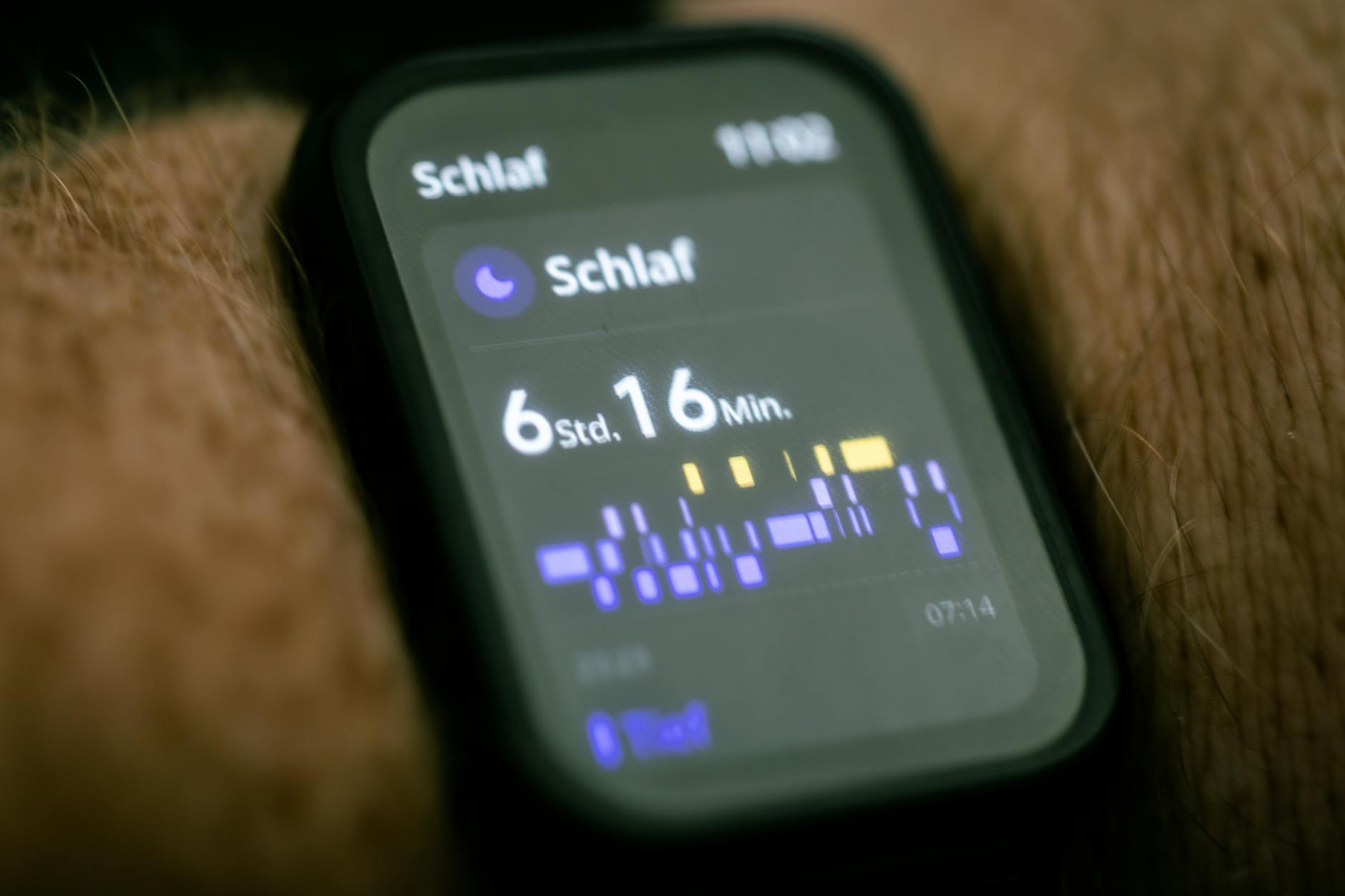
Sleep data from wearables has emerged as a surprisingly powerful nutrition predictor. Poor sleep quality directly increases hunger hormones (ghrelin rises 28%, leptin drops 18% after just two nights of short sleep) and shifts food preferences toward high-calorie, high-carb options.
Wearables that track sleep stages can flag nights with insufficient deep sleep or REM sleep, alerting you to days when cravings may be higher. This awareness allows proactive strategies: increasing protein at breakfast, planning satisfying meals in advance, and avoiding calorie-dense trigger environments. For a deeper dive into this connection, see our guide on how stress and sleep affect your nutrition and weight.
Which Wearables Are Best for Nutrition Tracking in 2026?
Choosing the right wearable for nutrition integration depends on your priorities: ecosystem compatibility, sensor accuracy, battery life, and the nutrition apps you already use.
What Are the Limitations of Wearable Nutrition Data?
Wearables are powerful tools, but they have real limitations that affect nutrition decisions if not understood.
Calorie burn estimates from wrist-based devices can overestimate expenditure by 15-20% during resistance training and underestimate it by 10-15% during activities with limited arm movement (cycling, rowing). A 2024 meta-analysis in Sports Medicine analyzing 60 validation studies across 9 consumer wearables found that no device was consistently accurate across all activity types — average error ranged from 9% to 43% depending on exercise modality.
The practical takeaway: use wearable calorie data as a trend indicator, not an absolute number. Week-over-week averages are far more reliable than any single day's reading. Pair wearable data with consistent food logging — as explored in our AI vs. manual calorie tracking comparison — and adjust based on real-world outcomes (weight trends, energy levels, performance) rather than trusting device numbers blindly.
Frequently Asked Questions
Are wearable calorie burn estimates accurate enough for weight loss?
Wearable calorie estimates are accurate within 10-15% for daily totals when worn consistently, according to a 2023 British Journal of Sports Medicine validation study. This is sufficient for weight loss planning if you use weekly averages rather than daily numbers and adjust targets based on actual weight trends every 2-3 weeks.
Should I eat back the calories my watch says I burned?
Eat back 50-75% of exercise calories reported by your wearable, not the full amount. Wearables tend to overestimate exercise calorie burn by 15-20%, and some of those calories were already included in your BMR estimate. Starting at 50% and adjusting based on weekly weight changes is the safest approach.
Which wearable is most accurate for calorie tracking?
Apple Watch and Garmin devices consistently rank highest for calorie accuracy in validation studies. A 2024 study in Medicine & Science in Sports & Exercise found the Apple Watch Series 9 had a mean absolute error of 11.2% for daily calorie expenditure, while the Garmin Forerunner 265 averaged 12.8% error.
Can a fitness tracker help me eat more protein?
Indirectly, yes. When your wearable shows higher activity days, a synced nutrition app can recommend increased protein intake to support muscle recovery. Some platforms like Garmin and Whoop provide post-workout nutrition recommendations, including protein timing suggestions based on workout intensity and duration.
Do I need a smartwatch to track calories effectively?
No. Millions of people track calories effectively without any wearable using apps that rely on the Mifflin-St Jeor equation and self-reported activity. Wearables add precision — especially for people with variable activity levels — but they're a refinement, not a requirement. A consistent food logging habit matters more than any device.
How do wearables track calories burned during strength training?
Most wearables use heart rate combined with accelerometer data to estimate strength training calories. However, resistance exercise produces elevated heart rate from muscular effort rather than sustained aerobic demand, causing most devices to overestimate calorie burn by 15-30%. Logging specific exercises with sets, reps, and weight in a companion app improves accuracy.
Can wearable sleep data really improve my diet?
Yes. Research shows that wearable sleep tracking increases awareness of sleep-nutrition connections. A 2022 study in Sleep Health found that participants who reviewed their sleep data daily made 22% better food choices on days following poor sleep, compared to a control group who slept equally poorly but lacked sleep data feedback.
What happens if my wearable and nutrition app show different calorie numbers?
Discrepancies are common because wearables and nutrition apps use different algorithms. Your wearable calculates total energy expenditure from sensor data, while nutrition apps often estimate TDEE from a formula. Use the wearable number for expenditure and the app for food intake, then track your weight trend to calibrate. If your weight is stable while eating at a supposed deficit, one source is overestimating.
Sources
Ready to track smarter?
Join thousands who use KCALM for calorie tracking. AI-powered food recognition, scientifically-validated calculations, and zero anxiety.
Related Articles
How Stress and Sleep Affect Your Nutrition and Weight
Poor sleep and chronic stress sabotage your diet. Learn how cortisol drives cravings, why sleep-deprived people eat 300+ extra calories daily, and evidence-based strategies to break the cycle.
ScienceGut Health and Your Microbiome: A Nutrition Guide
How does food shape your gut microbiome? Learn which foods feed beneficial bacteria, the fiber-gut connection, fermented foods vs. supplements, and meal plans for better digestive health.
ScienceGLP-1 Medications and Nutrition: What You Need to Know
How GLP-1 medications like Ozempic and Mounjaro affect your nutrition needs. Learn about protein goals, micronutrient gaps, calorie tracking, and evidence-based diet strategies while on GLP-1 drugs.