How to Track Nutrition While Traveling: A Practical Guide
Struggling to track calories on vacation? Learn 8 evidence-based strategies for estimating portions, navigating airport food, and maintaining nutrition awareness while traveling.

James Nakamura
Sports Nutritionist & Meal Prep Coach

You can stay on track with your nutrition goals while traveling by using three core strategies: visual portion estimation, strategic meal timing, and AI-powered photo logging. A 2023 study in the Journal of the Academy of Nutrition and Dietetics found that travelers who maintained any form of food tracking — even rough estimates — gained 60% less weight during trips lasting one week or more compared to those who stopped tracking entirely.
Traveling disrupts routines, and routines are the backbone of consistent nutrition. Between airport terminals, hotel buffets, and unfamiliar restaurants, it's easy to lose all sense of how much you're eating. But the goal isn't perfection — it's awareness. Research shows that even approximate tracking prevents the "vacation free-for-all" effect that leads to an average weight gain of 0.7-1.0 kg per week of travel, according to a 2019 study in Physiology & Behavior. This guide gives you practical, evidence-based strategies for maintaining nutrition awareness no matter where your travels take you.
Why Does Traveling Make Nutrition Tracking So Difficult?
Travel disrupts the three pillars of consistent nutrition: routine, food access, and measurement tools. At home, you likely eat similar meals, at similar times, with familiar portions. On the road, every meal is a new variable.
A 2022 study in Appetite identified four primary barriers to healthy eating during travel:
The key insight from research is that perfection isn't required. A 2021 study in Obesity Science & Practice found that participants who tracked food intake with just 50-60% accuracy during travel still maintained 80% of the benefits of precise tracking in terms of preventing weight gain.
What Are the Best Strategies for Estimating Portions Without a Scale?
The hand-portion method is the most practical tool for travelers. Developed by Precision Nutrition and validated in a 2020 study in Nutrition & Dietetics, this system uses your hand as a consistent measuring reference — it's always with you and scales proportionally to your body size.
| Hand Measure | Food Equivalent | Approximate Calories |
| Palm (protein) | 100-120 g meat, fish, or tofu | 150-200 kcal |
| Cupped hand (carbs) | 120-150 g rice, pasta, or potatoes | 150-200 kcal |
| Fist (vegetables) | 150-200 g non-starchy vegetables | 30-60 kcal |
| Thumb (fats) | 15 g oil, butter, or nut butter | 100-120 kcal |
How Can You Navigate Airport and Hotel Food Choices?
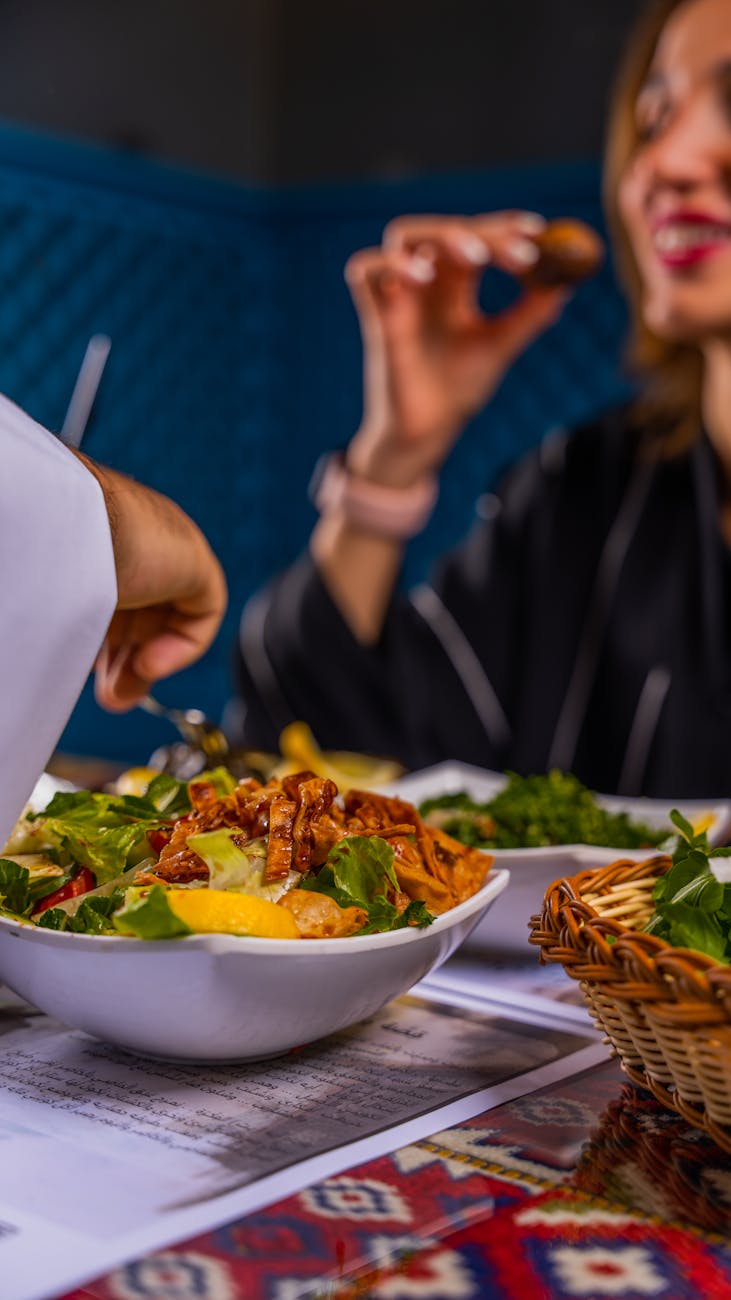
Airport food has improved dramatically, but the default options still skew toward high-calorie, low-nutrient choices. A 2023 survey by the Physicians Committee for Responsible Medicine found that the average airport meal contains 1,100 calories — nearly half the daily target for many travelers.
What Should You Eat at the Airport?
Strategic choices can cut airport meal calories by 40-50% without sacrificing satisfaction:
Foods to avoid or limit: Oversized muffins (500-700 kcal), large smoothies with added sugar (400-600 kcal), and fast-food combos with fries (900-1,400 kcal).
How Do You Handle Hotel Breakfast Buffets?
Hotel buffets are designed to encourage overeating. A 2019 study in Appetite found that people consume an average of 29% more calories at buffet-style meals compared to plated service.
The one-plate rule works well: take a single normal-sized plate, fill half with fruit and vegetables, one quarter with protein (eggs, smoked fish, yogurt), and one quarter with carbs (toast, oatmeal). Skip the return trip. This simple framework typically keeps a hotel breakfast between 400-600 calories rather than the buffet average of 800-1,200.
How Does AI Photo Tracking Help When You're Traveling?
AI-powered photo tracking is arguably the most travel-friendly nutrition logging method available. Instead of searching databases for unfamiliar dishes or estimating weights of foods you've never seen before, you simply photograph your plate and let the AI analyze it.
A 2024 study in the Journal of Medical Internet Research found that photo-based food logging was 23% faster than manual database entry and showed comparable accuracy for mixed meals — the exact type of food you encounter while traveling. The time savings compound when you're navigating foreign-language menus or regional dishes that don't appear in standard food databases.
For step-by-step guidance on using photo-based tracking, see our comparison of AI vs. manual calorie tracking methods.
What Should You Do About Alcohol and Vacation Drinks?
Alcohol is often the largest hidden calorie source during travel. A standard vacation evening involving 2-3 cocktails can add 500-900 calories — equivalent to an entire meal — before food is even ordered.
| Drink | Typical Serving | Calories | Sugar (g) |
| Beer (pint) | 568 ml | 200-250 | 0-13 |
| Red wine (glass) | 175 ml | 125-150 | 0-2 |
| Margarita | 240 ml | 270-350 | 20-30 |
| Piña colada | 300 ml | 450-600 | 40-60 |
| Gin & tonic | 200 ml | 170-200 | 12-18 |
| Spirits (neat) | 45 ml | 95-110 | 0 |
Practical strategies include alternating alcoholic drinks with water, choosing spirits with low-calorie mixers over cocktails, and logging drinks in real time rather than trying to remember them the next morning. For a broader look at how nutrition and mindset work together, see our article on the psychology of calorie counting.
How Can You Maintain Protein Intake While Traveling?
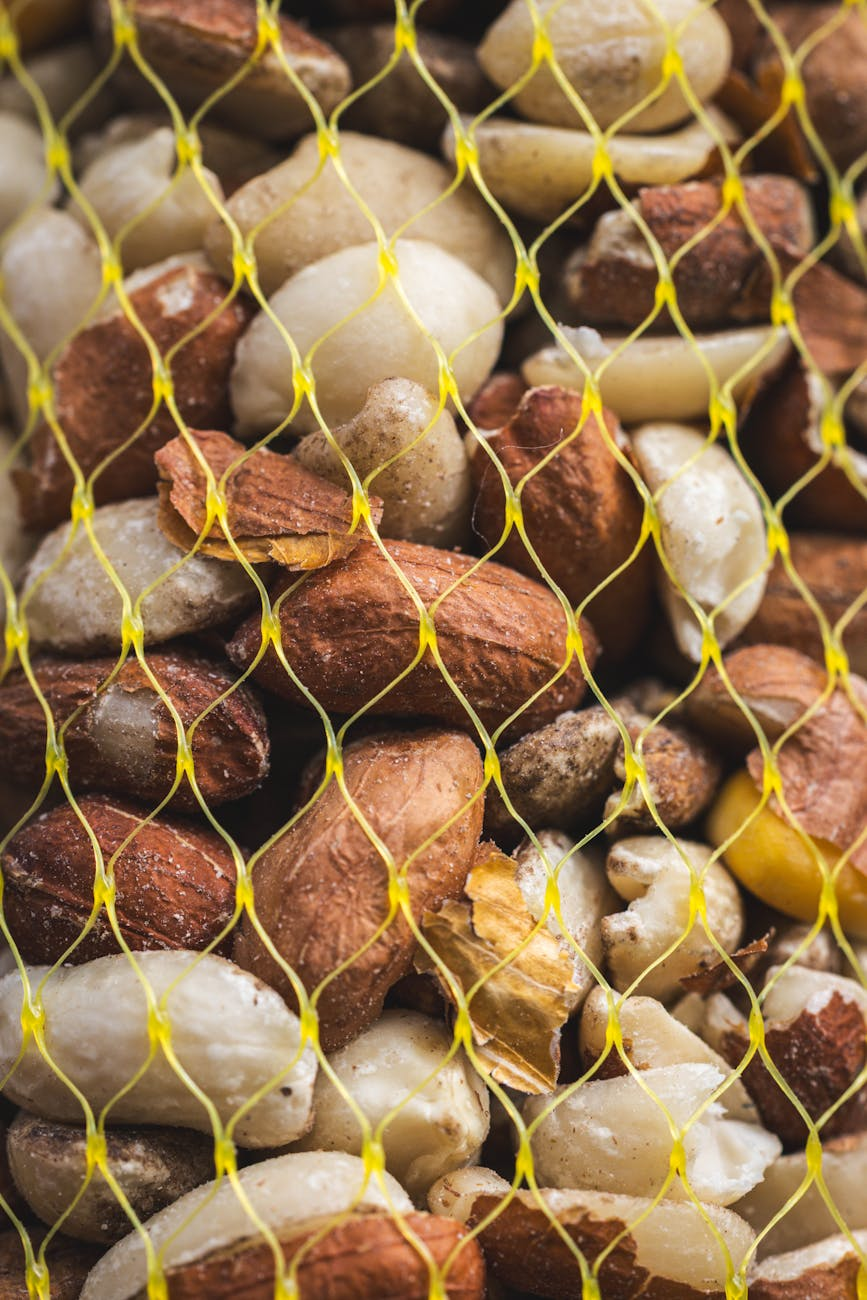
Protein is the macronutrient most likely to drop during travel. A 2021 survey in Nutrients found that business travelers consumed an average of 30% less protein than their home baseline, primarily because convenient travel foods tend to be carb-heavy (sandwiches, pastries, pasta).
Maintaining adequate protein intake is especially important during travel because protein supports satiety, prevents muscle loss during periods of reduced activity, and has the highest thermic effect of any macronutrient. Here are practical travel-specific strategies:
For detailed protein targets by body weight and activity level, check our protein tracking for beginners guide.
What's the Best Pre-Trip Preparation Strategy?
The most effective travel nutrition strategy starts before you leave home. A 2022 study in the International Journal of Behavioral Nutrition and Physical Activity found that people who planned their eating approach before a trip consumed 18% fewer excess calories than those who improvised.
Key pre-trip actions:
The simplification strategy is key. Research on building sustainable tracking habits shows that reducing tracking complexity during challenging periods — like travel — is far more effective than attempting to maintain full-detail logging and then giving up entirely.
Frequently Asked Questions
How many extra calories does the average person eat while traveling?
Research varies, but a 2019 study in Physiology & Behavior found that adults consume an average of 500-700 extra calories per day during vacation travel. Business travel shows a smaller but still significant increase of 200-400 extra calories daily, primarily from restaurant meals and alcohol. Even moderate awareness through tracking reduces this excess by 60%.
Should I count calories strictly while on vacation?
No. Strict tracking during vacation creates stress that undermines both enjoyment and long-term adherence. Research from the National Weight Control Registry shows that flexible tracking — rough portion estimates, photo logging, or tracking just one meal per day — provides most of the weight maintenance benefit without the rigidity. Aim for awareness rather than precision.
What's the best calorie tracking app for travel?
AI photo-based trackers like KCALM work especially well for travel because they don't require you to search foreign-language food databases. Simply photograph your plate. Apps with offline capability are also important for international travel where data access may be limited or expensive.
How do I handle jet lag and disrupted meal times?
Jet lag disrupts ghrelin and leptin cycles, making you feel hungry at odd hours. A 2020 study in Sleep Medicine Reviews recommends shifting meal times to the destination time zone as quickly as possible. Eating protein-rich meals during destination daylight hours and avoiding heavy meals within 3 hours of destination bedtime helps your circadian rhythm adjust faster.
Can I maintain my weight loss during a week-long vacation?
Yes, but set realistic expectations. Maintaining weight (not losing) during vacation travel is a realistic and research-supported goal. The NWCR data shows that successful long-term weight maintainers who travel frequently use a "maintenance mode" approach — keeping portion awareness high while relaxing strict calorie targets by 10-15%.
How do I track calories at foreign restaurants with unfamiliar dishes?
AI photo tracking is the most efficient solution for unfamiliar cuisine. Alternatively, use the hand-portion method to estimate protein, carbs, fats, and vegetables visually. Most traditional cuisines around the world follow recognizable patterns — rice-based, bread-based, or vegetable-forward — that make rough estimation feasible even without recognizing every ingredient.
What should I eat on long flights?
Airline meals average 400-600 calories and tend to be sodium-heavy. If you have the option, choose the protein-focused meal (chicken or fish over pasta). Bring your own snacks for supplementation: nuts, fruit, or a protein bar. Avoid alcohol during flights as it compounds dehydration and jet lag effects, and drink at least 250 ml of water per hour of flight time.
Is it worth tracking nutrition during a short weekend trip?
For trips under 3 days, detailed tracking is usually unnecessary. Focus on visual portion awareness and the one-plate rule at buffets. The real value of tracking during short trips is maintaining the habit loop — a 2021 study in Health Psychology found that breaks longer than 3 days from established health habits made it significantly harder to resume them.
Sources
Ready to track smarter?
Join thousands who use KCALM for calorie tracking. AI-powered food recognition, scientifically-validated calculations, and zero anxiety.
Related Articles
Sustainable Weight Loss: Why Most Diets Fail and What Works
Why do 80% of dieters regain lost weight? Learn the science of weight regain, metabolic adaptation, and 7 evidence-based strategies for keeping weight off permanently.
LifestyleThe Psychology of Calorie Counting: Building a Healthy Mindset
Why does calorie counting feel stressful? Learn the psychology behind food tracking, cognitive biases that sabotage accuracy, and evidence-based mindset strategies for sustainable results.
LifestyleCalorie Counting Without the Anxiety: A Healthier Approach to Nutrition Tracking
Learn how to track your nutrition without stress or obsession. Discover balanced approaches to calorie counting that support both physical and mental health.