Quick Healthy Meals Under 500 Calories You Can Make Fast
Need fast, low-calorie meals? Here are 15 quick healthy meals under 500 calories with full macro breakdowns, prep times under 20 minutes, and easy calorie tracking tips.

James Nakamura
Sports Nutritionist & Meal Prep Coach
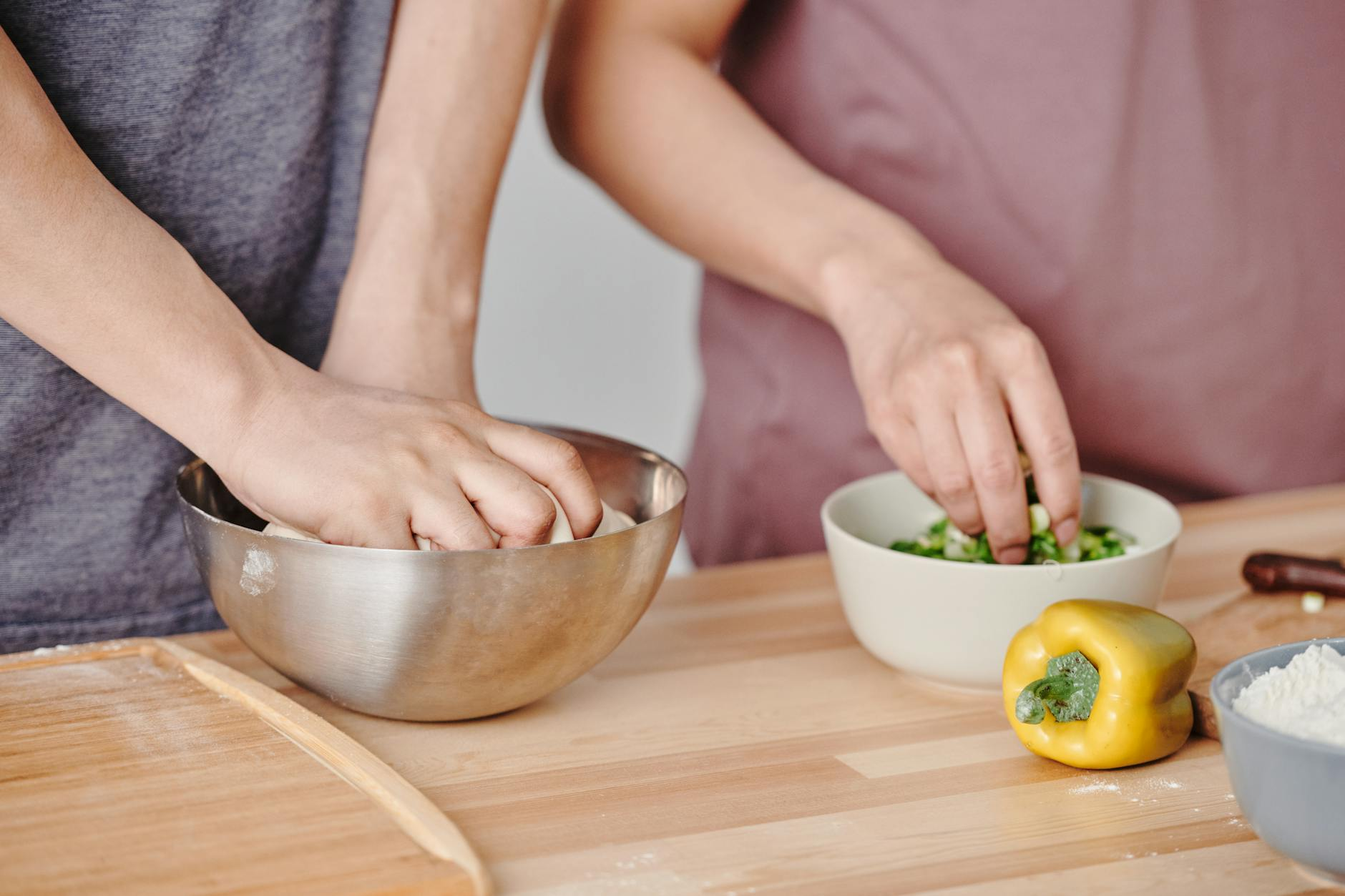
Most healthy meals under 500 calories take less than 20 minutes to prepare when you use simple whole ingredients and a reliable recipe framework. A 2023 study in the American Journal of Preventive Medicine found that people who cooked at home at least 5 times per week consumed 140 fewer daily calories than frequent restaurant eaters. Keeping meals quick, portioned, and macro-balanced is the fastest path to sustainable calorie control.
The biggest barrier to healthy eating isn't knowledge — it's time. A 2024 survey by the International Food Information Council found that 52% of Americans cite "lack of time" as their top obstacle to eating well. But quick doesn't have to mean unhealthy. This guide gives you 15 complete meals under 500 calories, each with full macro breakdowns and prep times under 20 minutes. Whether you're focused on hitting your daily calorie targets or simply want to eat better without spending hours in the kitchen, these meals deliver.
Why Do Meals Under 500 Calories Matter for Weight Loss?
Keeping individual meals under 500 calories is one of the simplest strategies for maintaining a calorie deficit without constant tracking. For most adults with a TDEE between 1,800 and 2,500 calories, three 400-500 calorie meals plus one or two small snacks hits the sweet spot for weight loss of 0.5-1 lb per week.
According to a 2022 study in Obesity Reviews, portion-controlled meals reduced daily calorie intake by an average of 278 calories compared to unrestricted eating. The key is nutrient density — packing enough protein, fiber, and micronutrients into each meal so you stay full until the next one.
| Daily Calorie Target | Meals (3x) | Snacks (2x) | Deficit for 1 lb/week Loss |
| 1,600 cal | 400 cal each | 200 cal each | ~500 cal deficit |
| 2,000 cal | 500 cal each | 250 cal each | ~500 cal deficit |
| 2,400 cal | 500 cal each | 300 cal each + extra | ~500 cal deficit |
What Makes a Quick Meal Both Healthy and Filling?
A satisfying low-calorie meal follows the protein + fiber + volume formula. Research from the University of Sydney's Satiety Index study found that meals combining lean protein with high-fiber vegetables kept participants full 2.5 times longer than refined-carb-heavy meals of the same calorie count.
The three pillars of a filling 500-calorie meal:
A 2023 meta-analysis in the British Journal of Nutrition confirmed that meals with at least 25g of protein reduced subsequent calorie intake at the next meal by 12%, compared to lower-protein meals.
What Are 15 Quick Meals Under 500 Calories?
These 15 meals cover breakfast, lunch, and dinner. Each takes under 20 minutes, uses common ingredients, and comes with a full macro breakdown. For precise tracking, log each meal using a calorie tracking app or the ingredient weights below.
Breakfast Meals (Under 500 Calories)
1. Greek Yogurt Power Bowl (380 cal) 150g plain Greek yogurt, 30g granola, 100g mixed berries, 15g honey, 10g chia seeds. Protein: 24g
| Carbs: 48g | Fat: 10g | Fiber: 6g |
2. Veggie Egg Scramble with Toast (420 cal) 3 large eggs scrambled with 50g spinach, 50g diced tomato, 30g feta cheese on 1 slice whole-grain toast. Protein: 28g
| Carbs: 22g | Fat: 24g | Fiber: 4g |
3. Overnight Oats with Banana (450 cal) 60g rolled oats, 200ml milk, 1 medium banana, 20g peanut butter, 5g cinnamon. Protein: 18g
| Carbs: 62g | Fat: 14g | Fiber: 8g |
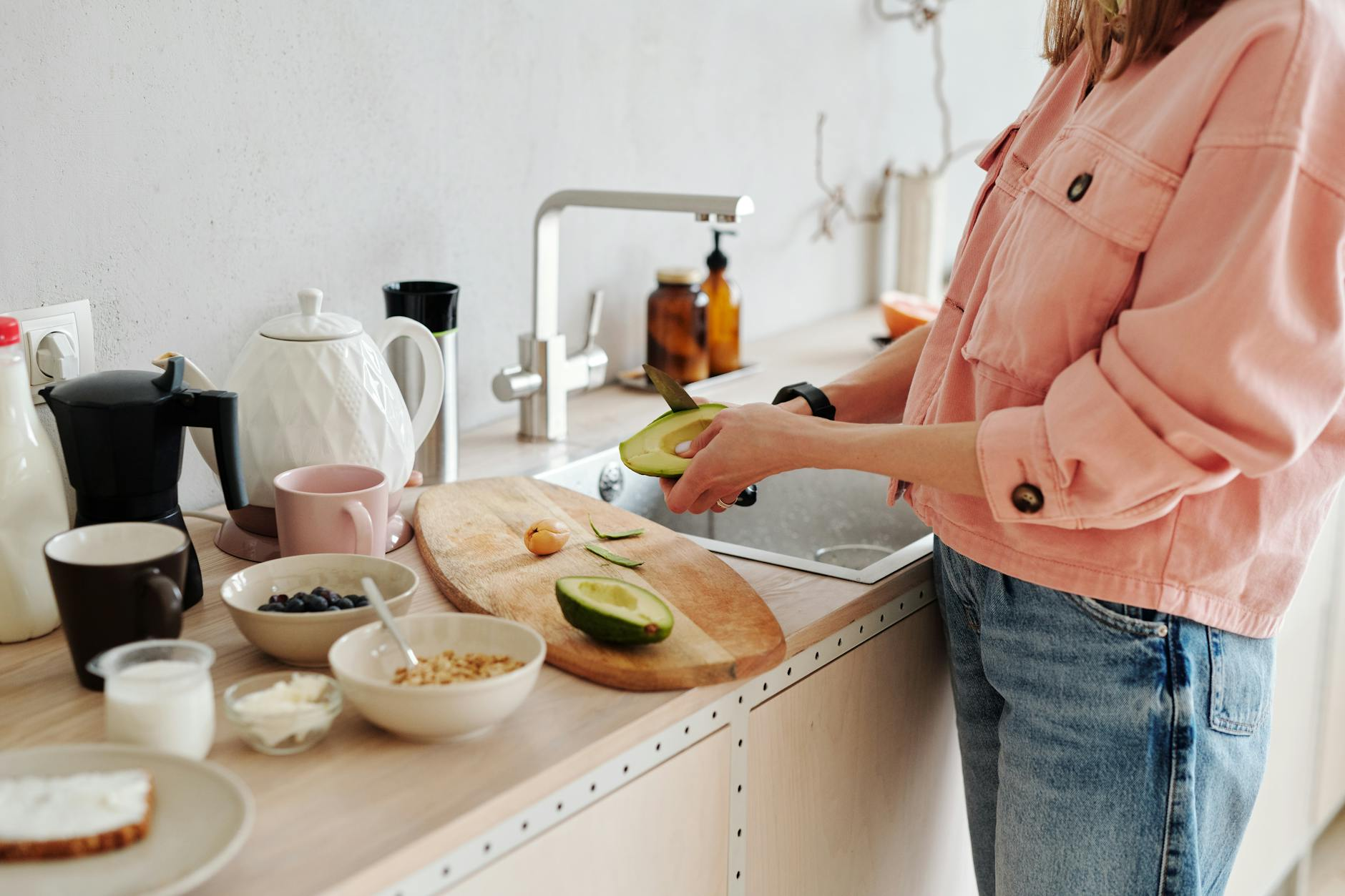
4. Avocado Toast with Egg (410 cal) 2 slices whole-grain bread, 60g avocado, 2 poached eggs, cherry tomatoes, red pepper flakes. Protein: 22g
| Carbs: 34g | Fat: 22g | Fiber: 9g |
5. Smoothie Bowl (390 cal) 1 frozen banana, 100g frozen berries, 30g protein powder, 100ml almond milk, topped with 15g coconut flakes and 10g hemp seeds. Protein: 28g
| Carbs: 46g | Fat: 10g | Fiber: 7g |
Lunch Meals (Under 500 Calories)
6. Chicken and Quinoa Salad Bowl (480 cal) 120g grilled chicken breast, 80g cooked quinoa, mixed greens, 50g cucumber, 50g cherry tomatoes, 15ml olive oil dressing. Protein: 40g
| Carbs: 35g | Fat: 18g | Fiber: 6g |
7. Tuna Lettuce Wraps (350 cal) 1 can (120g) tuna in water, 15g mayo, diced celery, wrapped in 4 large butter lettuce leaves with 50g avocado. Protein: 35g
| Carbs: 8g | Fat: 18g | Fiber: 5g |
8. Black Bean and Corn Quesadilla (470 cal) 1 whole-wheat tortilla, 80g black beans, 50g corn, 30g shredded cheese, salsa, 15g Greek yogurt. Protein: 22g
| Carbs: 56g | Fat: 16g | Fiber: 10g |
9. Lentil Soup with Crusty Bread (440 cal) 200g cooked red lentils, diced carrots, celery, onion, cumin, turmeric, 1 small slice sourdough bread. Protein: 24g
| Carbs: 62g | Fat: 6g | Fiber: 14g |
10. Turkey and Veggie Wrap (420 cal) 1 whole-wheat wrap, 100g sliced turkey breast, 30g hummus, lettuce, tomato, cucumber, roasted red pepper. Protein: 32g
| Carbs: 38g | Fat: 14g | Fiber: 6g |
Dinner Meals (Under 500 Calories)
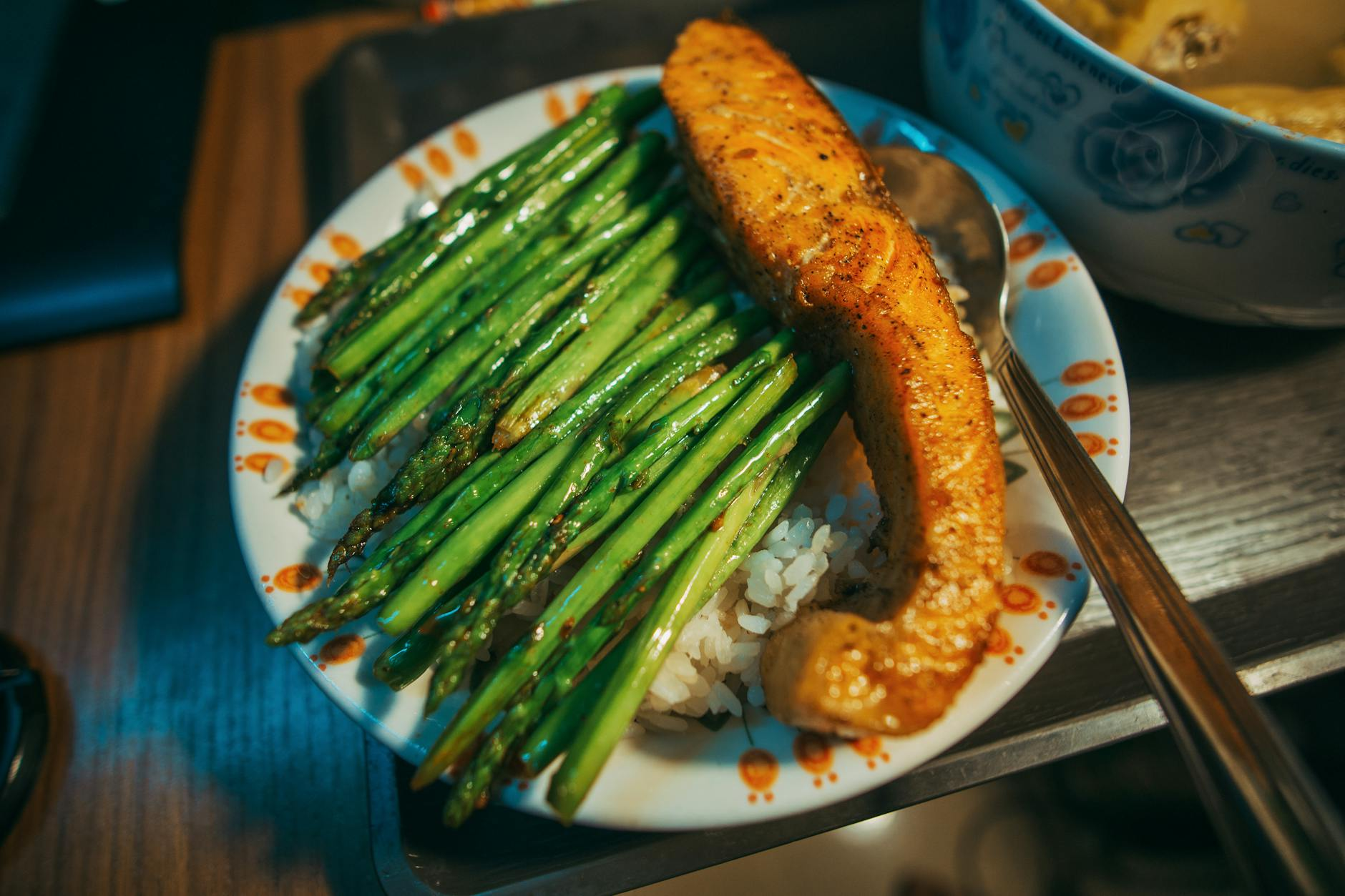
11. Salmon with Roasted Vegetables (490 cal) 150g salmon fillet, 200g roasted broccoli, bell pepper, and zucchini with 10ml olive oil and garlic. Protein: 38g
| Carbs: 18g | Fat: 28g | Fiber: 7g |
12. Shrimp Stir-Fry with Rice (460 cal) 150g shrimp, 100g mixed stir-fry vegetables, 10ml soy sauce, ginger, garlic, 80g cooked brown rice. Protein: 34g
| Carbs: 48g | Fat: 10g | Fiber: 5g |
13. Turkey Meatball Zucchini Noodles (380 cal) 150g lean ground turkey (formed into meatballs), 200g spiralized zucchini, 80g marinara sauce, 15g parmesan. Protein: 38g
| Carbs: 18g | Fat: 16g | Fiber: 4g |
14. Chicken Fajita Bowl (470 cal) 120g sliced chicken breast, sauteed peppers and onions, 80g black beans, 30g salsa, 30g guacamole, 60g brown rice. Protein: 38g
| Carbs: 42g | Fat: 14g | Fiber: 9g |
15. Tofu and Vegetable Curry (430 cal) 150g firm tofu, 100g mixed vegetables, 80ml light coconut milk, curry paste, turmeric, 60g cooked jasmine rice. Protein: 22g
| Carbs: 42g | Fat: 18g | Fiber: 6g |
How Do You Track Quick Meals Accurately?
Accurate tracking doesn't require weighing every ingredient to the gram. A 2021 study in the Journal of the Academy of Nutrition and Dietetics found that visual portion estimation methods achieved 85% accuracy when paired with consistent practice. Here are three practical approaches.
For maximum accuracy: Weigh key calorie-dense ingredients (oils, nuts, cheese, grains) with a kitchen scale. A study in the European Journal of Clinical Nutrition (2023) found that people underestimate oil and dressing portions by 40-60%.
For speed: Use your hand as a portion guide. One palm = 1 protein serving (~100g cooked meat). One cupped hand = 1 carb serving (~80g cooked grains). One thumb = 1 fat serving (~15ml oil or 15g nut butter).
For AI tracking: Snap a photo of your completed meal and let an AI calorie tracking tool estimate the breakdown. Photo-based tracking takes under 10 seconds and achieves 80-90% accuracy for standard meals.
How Can You Meal Prep Quick Meals for the Entire Week?
Batch cooking is the most time-efficient way to have quick healthy meals ready every day. According to a 2023 study in Nutrients, people who meal prepped at least once per week were 1.5 times more likely to meet their daily fruit and vegetable recommendations and consumed 15% fewer total calories than non-preppers.
The 2-hour Sunday prep method works best for under-500-calorie meals:
This approach gives you 10+ mix-and-match meals, each already portioned at 400-500 calories. For a complete system, see our meal planning guide.
What Are the Best Macronutrient Ratios for Quick Low-Calorie Meals?
For meals under 500 calories, the optimal macro split depends on your goal. But research consistently shows that higher-protein meals are more satisfying regardless of the overall calorie count.
| Goal | Protein | Carbs | Fat | Example 450-cal Meal |
| Weight Loss | 35-40% (35-45g) | 35-40% | 20-25% | Chicken salad with quinoa |
| Muscle Building | 35-40% (35-45g) | 40-45% | 15-20% | Shrimp stir-fry with rice |
| General Health | 25-30% (28-35g) | 40-50% | 25-30% | Tofu curry with vegetables |
| Endurance Training | 20-25% (25-30g) | 50-55% | 20-25% | Lentil soup with bread |
How Do You Avoid Common Mistakes with Quick Healthy Meals?
Even simple meals can go over 500 calories with small errors. According to a 2022 study in BMC Public Health, the most common calorie-tracking mistakes in home-cooked meals involve cooking oils, sauces, and condiments — not the main ingredients.
The five most common calorie-inflating mistakes:
Frequently Asked Questions
What is the healthiest meal under 500 calories?
Salmon with roasted vegetables delivers the best nutrient density under 500 calories. At 490 calories, it provides 38g protein, 7g fiber, omega-3 fatty acids, and vitamins A, C, and D. The high protein and healthy fat content keeps you full for 4-5 hours. Pair it with a variety of colorful vegetables for maximum micronutrient coverage.Can you lose weight eating 500-calorie meals?
Yes. Three 500-calorie meals plus two 150-250 calorie snacks creates a daily intake of 1,800-2,000 calories — enough for a moderate deficit for most adults. A 2023 study in The Lancet confirmed that consistent moderate deficits of 300-500 calories per day produce the most sustainable long-term weight loss, averaging 0.5-1 lb per week.How do you keep meals under 500 calories filling?
Prioritize protein (25-40g per meal), fiber (5-10g), and water-rich vegetables. A 2022 study in Appetite found that meals high in protein and fiber had satiety scores 2.5 times higher than equal-calorie meals dominated by refined carbs. Greek yogurt, eggs, chicken, lentils, and tofu are the most filling foods per calorie.What is the fastest healthy meal under 500 calories?
Tuna lettuce wraps take just 8 minutes and clock in at only 350 calories with 35g protein. Simply drain canned tuna, mix with a tablespoon of mayo and diced celery, add avocado, and wrap in lettuce leaves. No cooking required, minimal cleanup, and extremely portable for work lunches.How many calories should each meal be for weight loss?
For most adults, meals between 350-500 calories work best for weight loss. Divide your daily calorie target by 3 meals and allocate 10-20% for snacks. Someone targeting 1,800 calories per day might eat three 450-calorie meals and two 225-calorie snacks. Use a TDEE calculator to find your personal target.Are frozen meals under 500 calories healthy?
Some frozen meals are nutritious options when you're short on time. Look for meals with at least 15g protein, under 600mg sodium, 3g or more fiber, and a short ingredient list with recognizable foods. Brands like Amy's, Saffron Road, and Healthy Choice Power Bowls meet these criteria. However, homemade meals give you more control over ingredients and portions.How do you meal prep 500-calorie meals for the whole week?
Spend 2 hours on Sunday cooking 2 proteins, 2 grain bases, and 2 trays of roasted vegetables. Portion into containers using a kitchen scale — weigh once, eat all week. This produces 10+ meals at 400-500 calories each. Refrigerate up to 4 days or freeze extras. The per-meal cost drops to roughly $3-5 when buying ingredients in bulk.What is the best protein source for low-calorie meals?
Chicken breast delivers the most protein per calorie at 165 calories and 31g protein per 100g. Other top options include shrimp (99 cal/24g protein per 100g), tuna in water (116 cal/26g), egg whites (52 cal/11g per 100g), and tofu (144 cal/17g per 100g firm). Rotating between these prevents flavor fatigue and covers different micronutrient profiles.Sources
Ready to track smarter?
Join thousands who use KCALM for calorie tracking. AI-powered food recognition, scientifically-validated calculations, and zero anxiety.
Related Articles
Meal Prep and Calorie Counting: How to Track Batch-Cooked Meals
Master the art of tracking batch-cooked meals with simple strategies for calculating calories in meal prep containers.
Tips & TricksEating Out? How to Estimate Restaurant Calories Without Stressing
Practical tips for estimating calories when dining out, from visual portion guides to cuisine-specific strategies.
Tips & Tricks7 Common Calorie Counting Mistakes (And How to Avoid Them)
Avoid these common pitfalls that derail calorie tracking efforts and learn how to log more accurately for better results.