Plant-Based Nutrition: How to Get Every Nutrient You Need
Can you get all essential nutrients on a plant-based diet? Learn which vitamins and minerals to prioritize, how to hit protein targets, and science-backed meal planning strategies.

Dr. Maya Patel
Registered Dietitian, M.S. Nutrition Science
A well-planned plant-based diet can meet every essential nutrient requirement for adults, according to the Academy of Nutrition and Dietetics' 2016 position paper — the most cited professional consensus on the topic. The key nutrients to prioritize are vitamin B12, iron, omega-3 fatty acids, calcium, and complete protein. With roughly 9.7 million Americans now following a plant-based diet (Gallup, 2024), understanding how to avoid common nutritional gaps has never been more important.
This guide covers which nutrients need extra attention on a plant-based diet, how to build complete protein from plants, what the research says about health outcomes, and how to plan meals that hit every macro and micronutrient target without supplements you don't need.
What Nutrients Are Hardest to Get on a Plant-Based Diet?
The five nutrients most commonly under-consumed on plant-based diets are vitamin B12, iron, omega-3 fatty acids (EPA/DHA), calcium, and zinc. A 2020 systematic review in Critical Reviews in Food Science and Nutrition analyzed 49 studies and found that vegans had significantly lower intakes of B12, calcium, and iodine compared to omnivores, though higher intakes of fiber, magnesium, and vitamins C and E.
Vitamin B12 is the only nutrient that cannot be obtained from whole plant foods at all — it must come from fortified foods or supplements. According to a 2019 study in the European Journal of Clinical Nutrition, 52% of vegans who did not supplement had deficient or borderline B12 levels.
| Nutrient | RDA (Adults) | Top Plant Sources | Absorption Note |
| Vitamin B12 | 2.4 mcg | Fortified nutritional yeast, fortified plant milk, supplements | Must supplement — no reliable whole-food plant source |
| Iron | 8-18 mg | Lentils, spinach, tofu, pumpkin seeds | Non-heme iron; pair with vitamin C to boost absorption 2-3x |
| Omega-3 (ALA) | 1.1-1.6 g | Flaxseed, chia seeds, walnuts, hemp seeds | ALA converts to EPA/DHA at only 5-10%; consider algae-based DHA |
| Calcium | 1,000 mg | Fortified plant milk, tofu (calcium-set), kale, bok choy | Oxalate in spinach blocks absorption; choose low-oxalate greens |
| Zinc | 8-11 mg | Pumpkin seeds, chickpeas, lentils, cashews | Phytates reduce absorption; soaking and sprouting helps |
| Iodine | 150 mcg | Seaweed, iodized salt, supplements | Highly variable in seaweed — don't rely on it exclusively |
How Much Protein Do You Need on a Plant-Based Diet?
Adults need 0.8 g of protein per kilogram of body weight daily — but a 2019 meta-analysis in Nutrients recommends plant-based eaters aim for 1.0-1.2 g/kg because plant protein digestibility averages 10-20% lower than animal protein. For a 70 kg (154 lb) person, that means targeting 70-84 g of protein per day.
The outdated myth of "protein combining" — eating complementary proteins at every meal — was debunked decades ago. The American Dietetic Association confirmed in 2009 that eating a variety of plant proteins throughout the day provides all essential amino acids without deliberate combining at each meal.
What Are the Best Plant-Based Protein Sources?
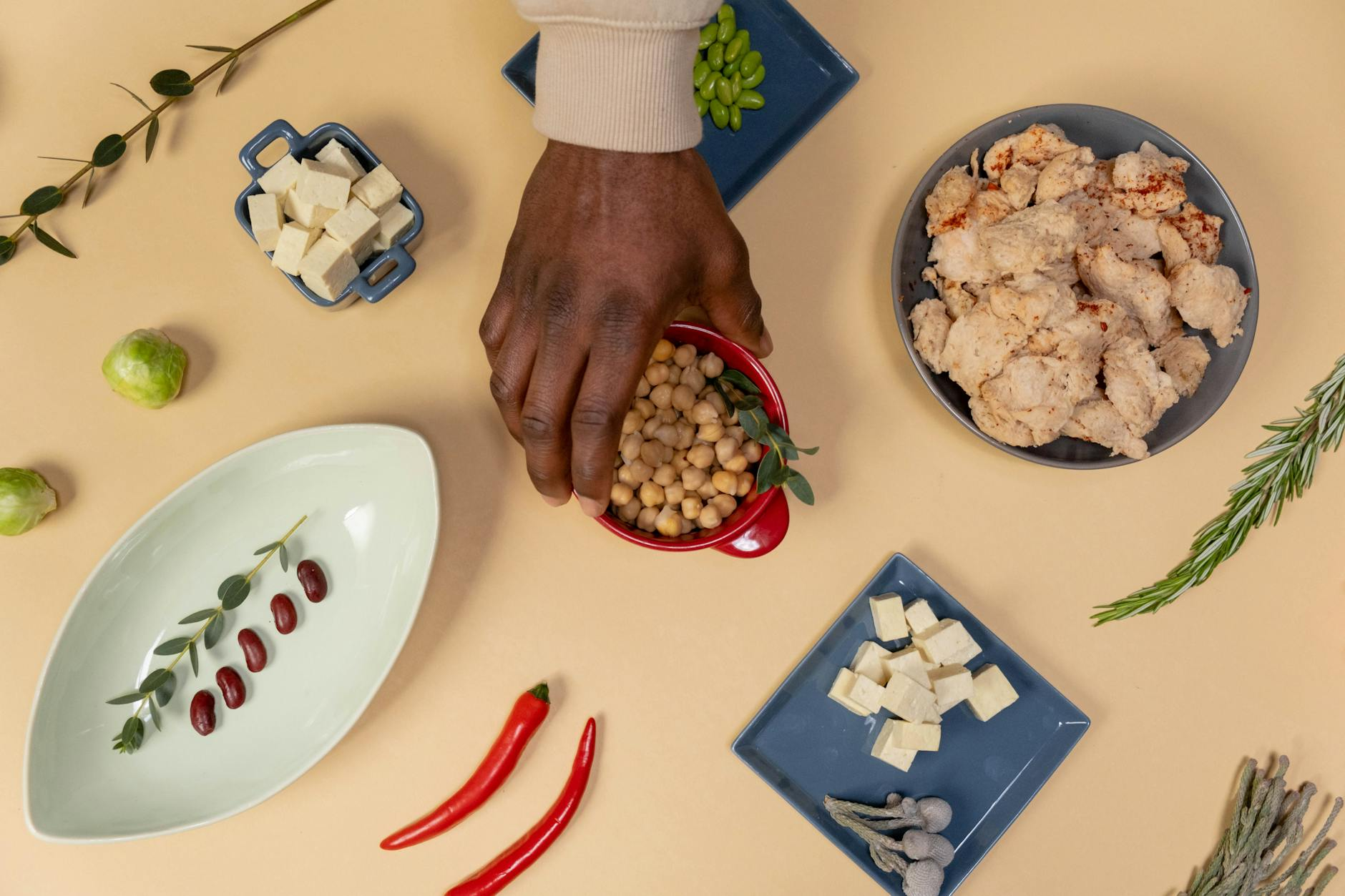
The highest-protein plant foods per serving are soybeans (tempeh, tofu, edamame), legumes (lentils, chickpeas, black beans), seitan, and quinoa. Here are the top sources ranked by protein density:
A 2021 study in the American Journal of Clinical Nutrition found that participants eating 1.6 g/kg/day of soy protein built equivalent muscle mass to those eating whey protein during a 12-week resistance training program — confirming that plant protein supports muscle growth when intake is adequate.
What Does the Research Say About Plant-Based Health Outcomes?
The evidence for plant-based diets and chronic disease prevention is substantial. A 2019 umbrella review in Advances in Nutrition — which analyzed 86 meta-analyses — found that plant-based dietary patterns were associated with a 24% lower risk of heart disease, a 25% lower risk of type 2 diabetes, and a modest but consistent reduction in cancer incidence.
How Does a Plant-Based Diet Affect Heart Health?
Cardiovascular benefits are the most well-documented outcome. According to a 2023 meta-analysis in JAMA Internal Medicine, plant-based diets reduced LDL cholesterol by an average of 10-15% compared to omnivorous diets, and reduced total cardiovascular events by 18%. The mechanisms include higher fiber intake (which binds cholesterol in the gut), lower saturated fat consumption, and greater antioxidant intake from fruits and vegetables.
Does a Plant-Based Diet Help with Weight Management?
Plant-based eaters tend to have lower BMIs. A 2020 study in JAMA Network Open following 8,238 participants found that those who ate a primarily plant-based diet weighed an average of 6.5 kg (14.3 lbs) less than matched omnivores. The high fiber content of plant foods promotes satiety — fiber expands in the stomach and slows digestion, helping you feel full on fewer calories. You can learn more about fiber's role in weight management in our guide to fibermaxxing and the science behind dietary fiber.
How Do You Plan a Nutritionally Complete Plant-Based Day?
Meal planning is the most reliable way to ensure you hit all nutrient targets. The Plate Method adapted for plant-based eating recommends filling half your plate with vegetables and fruit, a quarter with whole grains, and a quarter with legumes or plant protein — plus a source of healthy fat.
Here is a sample day that meets all macronutrient and key micronutrient targets for a moderately active adult:
| Meal | Foods | Calories | Protein | Key Nutrients Covered |
| Breakfast | Overnight oats with chia seeds, fortified soy milk, walnuts, and blueberries | 450 | 18 g | Omega-3, calcium, B12, fiber |
| Lunch | Lentil soup with kale, whole grain bread, and hummus | 550 | 24 g | Iron, zinc, fiber, vitamin C (kale) |
| Snack | Apple slices with peanut butter and a handful of pumpkin seeds | 300 | 12 g | Zinc, healthy fats, fiber |
| Dinner | Stir-fried tofu with broccoli, bell peppers, brown rice, and sesame seeds | 600 | 28 g | Calcium (tofu), iron, vitamin C (peppers) |
| Supplement | B12 (2,000 mcg cyanocobalamin, twice per week) | — | — | B12 |
| Totals | 1,900 | 82 g | All key nutrients addressed |
Which Supplements Should Plant-Based Eaters Actually Take?
Not every supplement marketed to vegans is necessary. Based on the evidence, here's what's supported and what's likely a waste of money:
What Supplements Are Essential?
What Supplements Are Probably Unnecessary?
- Iron — Only supplement if blood tests confirm deficiency. Excess iron is harmful. Most plant-based eaters who eat legumes, greens, and vitamin C-rich foods daily get enough.
- Protein powder — Not needed if you eat adequate legumes, soy, and whole grains. Useful for convenience or athletes targeting 1.6+ g/kg/day.
- Multivitamins — Generally less effective than targeted supplementation. A 2022 review in The Lancet found no evidence that multivitamins reduce mortality or chronic disease in well-nourished populations.
How Do You Track Macros and Calories on a Plant-Based Diet?
Tracking your macronutrients is especially useful during the first month of transitioning to a plant-based diet, when you're learning which foods deliver the protein, iron, and other nutrients you need. The core macro targets for a plant-based diet are the same as any balanced diet — roughly 45-65% carbohydrates, 20-35% fat, and 10-35% protein — but hitting the protein floor matters more because plant sources are less calorie-efficient per gram of protein.
AI-powered calorie trackers like KCALM make this process simpler: snap a photo of your lentil bowl or tofu stir-fry and get a macro breakdown in seconds, rather than searching through databases for every ingredient. Our guide to AI vs. manual calorie tracking compares the accuracy of both approaches.
Frequently Asked Questions
Is a plant-based diet safe for all life stages?
Yes. The Academy of Nutrition and Dietetics confirmed in 2016 that well-planned plant-based diets are appropriate for all stages of life, including pregnancy, lactation, infancy, childhood, and adolescence. However, nutrient needs vary by age — pregnant and breastfeeding women need extra B12, iron, and DHA, and children need adequate calorie density and zinc. Always work with a registered dietitian for specialized life-stage planning.
Can you build muscle on a plant-based diet?
Absolutely. A 2021 study in Sports Medicine found no significant difference in muscle protein synthesis between plant and animal protein when total protein intake was matched at 1.6 g/kg/day. The key is eating enough total protein — aim for 1.4-2.0 g/kg/day for active individuals — and including leucine-rich sources like soy, lentils, and peanuts.
How do you get enough iron without meat?
Plant-based (non-heme) iron is found in lentils, chickpeas, spinach, fortified cereals, and pumpkin seeds. Pairing iron-rich foods with vitamin C — like adding lemon juice to lentil soup or eating bell peppers with beans — increases absorption by 2-3x. Avoid drinking tea or coffee with iron-rich meals, as tannins inhibit absorption by up to 60%.
What is the difference between vegan and plant-based diets?
A vegan diet excludes all animal products for ethical, environmental, or health reasons. A plant-based diet emphasizes whole plant foods but may include small amounts of animal products. Nutritional considerations are similar for both, but "plant-based" is generally more flexible. The nutrient gaps to watch — B12, iron, omega-3, calcium — apply primarily to fully vegan diets.
Do plant-based diets provide enough omega-3 fatty acids?
Plant foods provide ALA (alpha-linolenic acid), the precursor omega-3, found abundantly in flaxseed, chia seeds, and walnuts. However, the human body converts ALA to the active forms EPA and DHA at only 5-10% efficiency. A 250-500 mg algae-based DHA/EPA supplement is recommended for those who don't eat fish, as it provides the same bioavailable forms found in fatty fish.
Is soy safe to eat every day?
Yes, according to a 2020 meta-analysis in Nutrients that reviewed 114 studies, moderate soy consumption (2-3 servings daily) is safe and associated with reduced cardiovascular risk. Soy does not affect testosterone levels in men or increase breast cancer risk in women. Fermented soy products like tempeh and miso offer additional gut health benefits.
How much does a plant-based diet cost compared to an omnivorous diet?
A 2021 study in The Lancet Planetary Health found that plant-based diets cost 22-34% less than omnivorous diets in high-income countries when based on whole foods (legumes, grains, vegetables) rather than processed meat alternatives. Dried beans, lentils, rice, and seasonal vegetables are among the most affordable protein sources per gram.
Should children follow a plant-based diet?
Plant-based diets can support healthy growth in children when properly planned. Key priorities include adequate calorie intake (plant foods are less calorie-dense), sufficient protein from varied sources, B12 supplementation, and attention to iron and zinc. The British Dietetic Association recommends that parents of vegan children work with a pediatric dietitian to ensure all nutrient needs are met during critical growth periods.
Sources
Ready to track smarter?
Join thousands who use KCALM for calorie tracking. AI-powered food recognition, scientifically-validated calculations, and zero anxiety.
Related Articles
Flexible Dieting and IIFYM: A Science-Backed Guide
What is flexible dieting (IIFYM)? Learn how If It Fits Your Macros works, how to calculate your macros, what the research says, and how to build a sustainable flexible eating plan.
NutritionFibermaxxing Explained: Why Fiber Is the Top Nutrition Trend
What is fibermaxxing? Learn why fiber is 2026's biggest nutrition trend, how much you need daily, the best high-fiber foods, and science-backed benefits for gut health and weight loss.
NutritionThe Ultimate Guide to Macronutrients: Protein, Carbs & Fat
A science-backed deep dive into macronutrients: how protein, carbs, and fat affect your body, how to calculate your ideal ratio, and how to track macros for any goal.