Micronutrients: Vitamins and Minerals You Might Be Missing
Tracking macros but missing vitamins and minerals? Learn the top 10 micronutrients US adults underconsume, daily targets, best food sources, and how to close the gap.

Dr. Maya Patel
Registered Dietitian, M.S. Nutrition Science
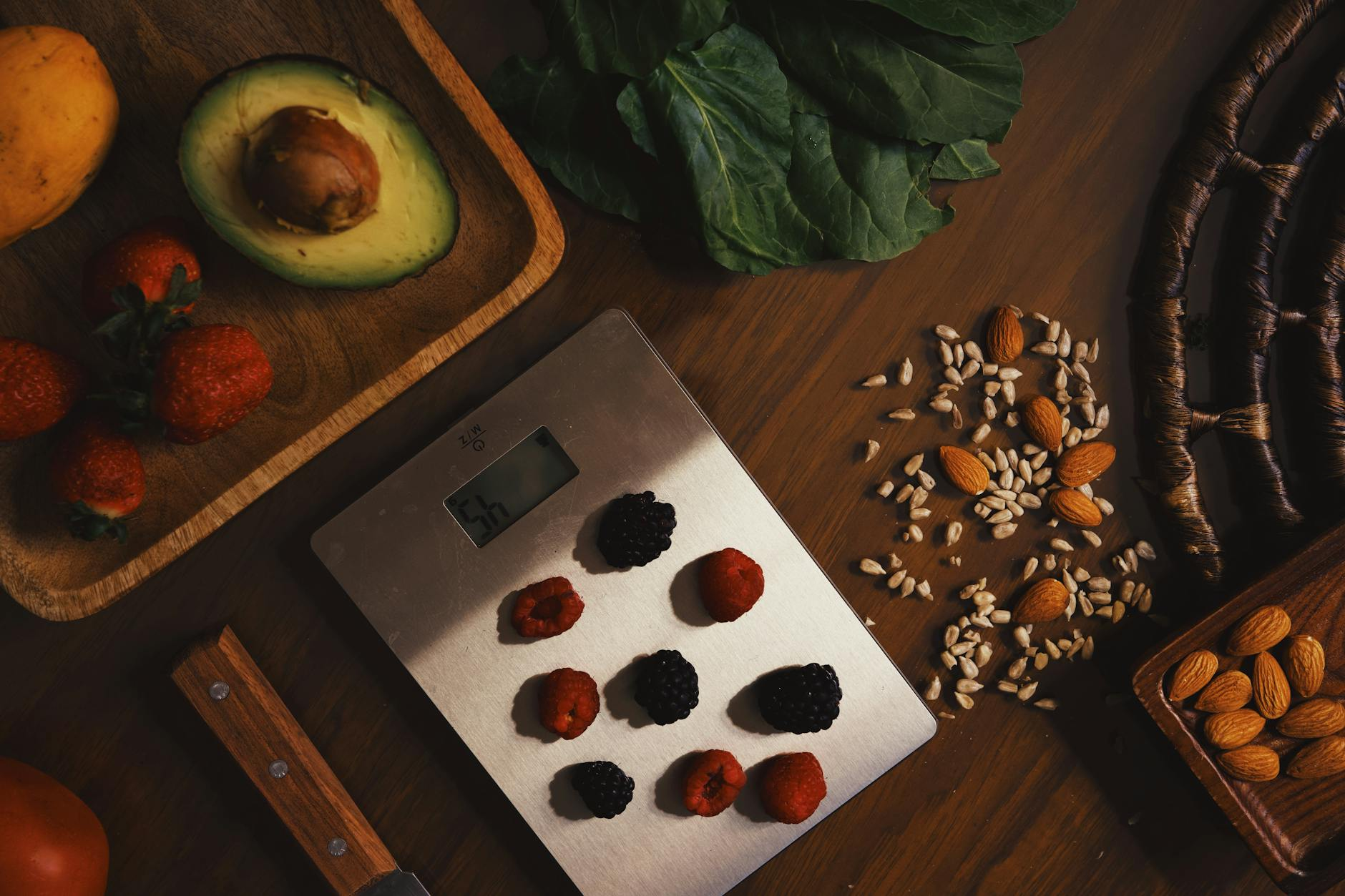
Micronutrients are the vitamins and minerals your body needs in small amounts to run energy metabolism, immunity, and thousands of enzyme reactions. According to a 2020 analysis of NHANES data in Nutrients, more than 90% of US adults fail to meet recommended intakes for vitamin D, vitamin E, magnesium, or potassium. Closing these gaps usually starts with food choices, not a multivitamin.
If you are tracking calories and macros carefully but ignoring micronutrients, you are flying half-blind. Macro targets tell you how much fuel you are taking in, but vitamins and minerals are what let your body actually use that fuel. Long-term shortfalls hide behind symptoms that are easy to blame on stress: low energy, poor sleep, weaker workouts, brittle hair, frequent colds.
The good news is that the most commonly missed nutrients cluster in a small number of foods. Once you know which you are likely to fall short on and which foods pack them densely, fixing the problem is usually a matter of small swaps, not new supplements. This guide covers the top deficiencies, exactly how much you need, and how to close the gap without tracking every microgram.
What Are Micronutrients and Why Do They Matter?
Micronutrients are the 13 essential vitamins and roughly 15 essential minerals your body needs in milligram or microgram amounts. They differ from the macronutrients protein, carbs, and fat, which you need in grams. Vitamins are organic compounds (some fat-soluble, some water-soluble); minerals are inorganic elements your body cannot make, so they must come from food.
They run your biology quietly. Micronutrients act as cofactors for enzymes, structural components of bone and blood, antioxidants that neutralize free radicals, and messengers that regulate hormones and neurotransmission. The World Health Organization estimates that more than 2 billion people globally have at least one micronutrient deficiency, making "hidden hunger" a larger public health problem than outright calorie shortages.
Which Micronutrients Do US Adults Miss Most Often?
A 2020 Nutrients analysis of NHANES 2007-2014 data by Reider et al. ranked the nutrients US adults most commonly fail to meet. The biggest gaps are in fat-soluble vitamins and the electrolyte minerals.
| Nutrient | % adults below EAR/AI | RDA/AI (adults) | Top food sources |
| Vitamin D | ~95% | 15-20 mcg | Fatty fish, fortified milk, sunlight |
| Vitamin E | 84% | 15 mg | Sunflower seeds, almonds, spinach |
| Potassium | >95% | 2,600-3,400 mg | Potatoes, beans, bananas, yogurt |
| Magnesium | 52% | 310-420 mg | Pumpkin seeds, leafy greens, beans |
| Choline | ~90% | 425-550 mg | Eggs, liver, salmon, soy |
| Calcium | 44% | 1,000-1,200 mg | Dairy, tofu, sardines, kale |
| Vitamin A | 45% | 700-900 mcg RAE | Sweet potato, liver, carrots |
| Vitamin C | 46% | 75-90 mg | Citrus, bell peppers, berries |
| Iron (women 19-50) | ~10% deficient | 18 mg | Lean beef, lentils, tofu |
| Zinc | 12-15% | 8-11 mg | Oysters, beef, pumpkin seeds |
What Are the Most Important Vitamins to Prioritize?
A handful of vitamins drive the majority of deficiency risk. Getting these four right fixes most of the common gaps.
Why Is Vitamin D Considered a Global Concern?
Vitamin D deficiency affects an estimated 40% of Americans and 24-40% of Europeans, according to a 2016 study in the American Journal of Clinical Nutrition by Cashman et al. Low vitamin D is linked to weaker bones, reduced immune function, poorer mood, and worse athletic recovery. Unlike other vitamins, food alone rarely meets the 15-20 mcg RDA.
The fix is a combination of sun exposure (10-20 minutes of midday sun on arms and legs, summer latitudes), fatty fish (salmon has about 10 mcg per 100 g), fortified dairy, and a supplement in winter or at high latitudes. Most clinicians recommend 1,000-2,000 IU (25-50 mcg) daily for adults with limited sun exposure.
What Does Vitamin B12 Actually Do?
Vitamin B12 makes red blood cells, maintains the myelin sheath on nerves, and supports DNA synthesis. Deficiency causes fatigue, pins-and-needles, memory problems, and, if sustained, irreversible nerve damage. A 2009 review in the American Journal of Clinical Nutrition by Allen estimated that up to 20% of adults over 60 have marginal B12 status because stomach acid production declines with age and impairs absorption.
B12 is found almost exclusively in animal products (meat, fish, eggs, dairy). Vegetarians and vegans should use fortified foods or a 25-100 mcg daily supplement. The RDA is 2.4 mcg, but higher supplemental doses are safe because absorption is limited at each meal.
Why Do So Many People Fall Short on Folate (B9)?
Folate is critical for DNA synthesis and red blood cell production. Inadequate intake before and during early pregnancy dramatically raises the risk of neural tube defects, which is why the US has mandated folate fortification of refined grains since 1998. Folate-rich whole foods include lentils (180 mcg per half cup), spinach, asparagus, avocado, and oranges.
Women who may become pregnant should target 400-600 mcg daily, often via a prenatal vitamin, because natural folate from food is less bioavailable than supplemental folic acid. Adults eating few leafy greens and no fortified grains can also fall short.
What Is the Most Overlooked Vitamin for Active Adults?
Vitamin E. Roughly 84% of US adults fall below the 15 mg RDA, according to the 2020 NHANES analysis in Nutrients. Vitamin E is the body's main fat-soluble antioxidant, protecting cell membranes from oxidative damage after exercise and chronic inflammation. The best food sources (sunflower seeds, almonds, hazelnuts, spinach, avocado) are calorie-dense, which is why low-fat or low-nut diets frequently run short.
A one-ounce handful of sunflower seeds provides about 50% of the RDA. Supplementing above the tolerable upper limit (1,000 mg per day) can increase bleeding risk; food is the safer route.

Which Minerals Are Most Commonly Underconsumed?
Minerals fall short even more often than vitamins, partly because modern soil depletion and food processing reduce mineral content in refined foods.
How Much Magnesium Do You Actually Need?
The RDA is 310-420 mg per day for adults, but a 2012 review in Nutrition Reviews by Rosanoff et al. found that nearly half of Americans consume less than the EAR. Magnesium powers over 300 enzyme reactions, including ATP synthesis (energy), muscle contraction, and blood sugar regulation. Low magnesium is linked to muscle cramps, poor sleep, elevated blood pressure, and insulin resistance.
High-density sources include pumpkin seeds (150 mg per ounce), dark chocolate, almonds, spinach, and black beans. Water filtered through reverse osmosis strips magnesium; hard tap water actually contributes 6-10% of daily intake in some regions. If supplementing, glycinate and citrate forms are better absorbed than oxide.
Why Is Iron Deficiency Still So Common?
Iron deficiency is the world's most common nutritional deficiency. CDC data estimate about 10% of US women aged 19-50 are iron-deficient, with roughly 5% reaching full-blown anemia. Iron powers oxygen transport via hemoglobin, so low iron drives fatigue, weakness, pale skin, and poor exercise tolerance.
Heme iron from meat and fish is absorbed at 15-35%; non-heme iron from plants is absorbed at 2-20%, depending on cofactors. Pair plant iron with vitamin C (squeeze of lemon on lentils, bell peppers with tofu) to triple absorption. Avoid drinking tea or coffee with iron-rich meals because tannins block absorption by up to 50%.
What Role Does Potassium Play in Blood Pressure?
Potassium shifts sodium out of cells, directly lowering blood pressure. A 2012 NHANES analysis in the American Journal of Clinical Nutrition by Cogswell et al. found that fewer than 3% of US adults meet the 4,700 mg/day intake target (since revised to 2,600-3,400 mg as an adequate intake). Meanwhile, sodium intake averages 3,400 mg, double the recommended ceiling.
Potassium is not added to typical supplements in meaningful amounts (the FDA caps OTC potassium pills at 99 mg) because high supplemental doses can stop the heart. The fix is food: a baked potato has 900 mg, a cup of cooked white beans 1,000 mg, a banana 420 mg, plain yogurt 380 mg per cup, and spinach 840 mg per cooked cup.
How Can You Tell If You Are Low in a Specific Micronutrient?
Most mild deficiencies do not show up as dramatic symptoms. Instead, they surface as gradual changes that are easy to dismiss. Watch for these patterns:
A single symptom usually is not diagnostic on its own. If multiple signs cluster for more than a few weeks, ask your doctor for a blood panel rather than guessing at a supplement. Standard checks include ferritin (iron stores), 25(OH)D (vitamin D), serum B12 or methylmalonic acid, and red blood cell magnesium.
Which Foods Pack the Most Micronutrients Per Calorie?
The concept of "nutrient density" is the ratio of essential nutrients to calories. Some foods deliver enormous amounts of vitamins and minerals for a modest calorie cost; others deliver almost none. A 2014 study in PLOS ONE by Di Noia ranked whole foods by micronutrient density, producing a clear top tier.
| Food (100 g / typical serve) | Calories | Key micronutrients supplied |
| Cooked spinach (1 cup) | 41 | Vitamin K, folate, iron, magnesium, vitamin A |
| Cooked lentils (1 cup) | 230 | Folate, iron, magnesium, potassium, zinc, fiber |
| Sardines (100 g, canned) | 210 | Vitamin D, B12, calcium, selenium, omega-3 |
| Pumpkin seeds (1 oz) | 160 | Magnesium, zinc, iron, vitamin E |
| Plain yogurt (1 cup, nonfat) | 100 | Calcium, B12, riboflavin, potassium, protein |
| Sweet potato (1 medium) | 100 | Vitamin A, potassium, vitamin C, manganese |
| Eggs (2 large) | 140 | B12, choline, vitamin D, selenium, riboflavin |
| Broccoli (1 cup cooked) | 55 | Vitamin C, vitamin K, folate, fiber |
| Bell peppers (1 cup raw) | 40 | Vitamin C, vitamin A, B6, folate |
| Liver (50 g, beef) | 90 | Vitamin A, B12, iron, copper, folate |
How Does a Macro-Focused Diet Put Micronutrients at Risk?
Popular macro-only approaches can quietly starve you of micronutrients if the food choices stay narrow. A 2010 study in the Journal of the International Society of Sports Nutrition by Calton analyzed four popular diet plans and found that every one fell short on at least seven essential micronutrients, even when macros were hit perfectly.
The three biggest risk patterns:
The fix is not to abandon macro targets. It is to add a short rule on top: hit your protein number, then spend the remaining calories on the nutrient-dense foods in the table above, not on the most calorie-efficient items.
Should You Take a Multivitamin?
A standard multivitamin is an imperfect but low-risk insurance policy. A 2017 Nutrients review by Blumberg et al. analyzing NHANES data found that multivitamin users were significantly more likely to meet intake targets for vitamins A, C, D, E, thiamin, riboflavin, B6, B12, folate, and zinc. However, multivitamins are typically light on potassium, magnesium, choline, and calcium because those minerals are bulky.
A multivitamin is most valuable if you:
A multivitamin does not replace diet quality, and there is no credible evidence that stacking multiple standalone supplements improves outcomes in healthy people. Focus food first, then target specific deficiencies confirmed by a blood test.

How Can You Track Micronutrients Without Obsessing?
You do not need to track every nutrient every day. A lightweight system works better than perfection.
Apps that show micronutrient breakdowns from photo-based logging (rather than requiring manual grams) make this dramatically easier. See our best calorie tracking apps comparison for which platforms report the deepest nutrient data.
Frequently Asked Questions
What is the difference between macronutrients and micronutrients?
Macronutrients are protein, carbohydrate, and fat, which you eat in gram quantities and which supply calories. Micronutrients are vitamins and minerals, eaten in milligrams or micrograms, that do not provide energy directly but enable every metabolic reaction. A macro-balanced diet can still be micronutrient-poor if food variety is limited.Can you overdose on vitamins from food?
Almost never from whole food. Fat-soluble vitamins (A, D, E, K) and minerals like iron and selenium can reach toxic levels from high-dose supplements, but food is self-limiting because meals contain balanced ratios and natural absorption caps. The common exception is vitamin A from liver, which is dense enough that weekly, not daily, servings are advised in pregnancy.Do I need to take a multivitamin every day?
Not necessarily. Healthy adults eating a varied omnivorous diet usually meet most RDAs through food and may not benefit from a daily multivitamin. People on restrictive diets, in calorie deficits, over age 60, pregnant, or vegan typically do benefit. A blood panel every one to two years is more useful than guessing at supplements.How quickly do micronutrient levels change with diet?
Water-soluble vitamins (B complex, C) respond within days. Iron stores (ferritin) take eight to twelve weeks to rebuild after correcting a deficiency. Vitamin D stores take two to three months at 1,000-2,000 IU daily. Retest blood levels only after eight to twelve weeks to avoid misleading readings.Are natural vitamins better than synthetic ones?
In most cases, no. Most synthetic vitamins are molecularly identical to food forms and are absorbed similarly. Two exceptions: natural folate (from food or methylfolate supplements) is preferred for some individuals with MTHFR gene variants, and natural vitamin E (d-alpha-tocopherol) has roughly 2x the bioactivity of synthetic dl-alpha-tocopherol.Does cooking destroy vitamins?
Some, yes. Water-soluble vitamins (C, folate, thiamine) lose 15-55% to boiling; steaming or microwaving preserves more. Fat-soluble vitamins (A, D, E, K) and minerals are heat-stable. The practical rule is to eat a mix of raw and cooked vegetables and to drink or reuse cooking liquids when practical, for example in soups and stews.Are "greens powders" a good substitute for vegetables?
A partial substitute at best. Powders provide concentrated vitamin K, folate, and some antioxidants, but lose heat-sensitive nutrients in processing, contain minimal fiber, and lack the chewing and satiety of whole vegetables. They can supplement a diet with thin vegetable intake but should not replace three to five servings of real produce per day.Can gut health affect micronutrient absorption?
Yes. A compromised gut lining or dysbiosis reduces absorption of iron, B12, magnesium, zinc, and fat-soluble vitamins. Celiac disease, inflammatory bowel disease, and chronic proton-pump-inhibitor use are classic causes of multi-nutrient deficiency. See our gut health and microbiome guide for a deeper look at the absorption pathway.Sources
Ready to track smarter?
Join thousands who use KCALM for calorie tracking. AI-powered food recognition, scientifically-validated calculations, and zero anxiety.
Related Articles
Why Calorie Apps Overcount Vegetables (And How to Fix It)
Why calorie apps drift on vegetables — peer-reviewed research on database errors and oil absorption, the 7-step logging playbook for accurate AU vegetable tracking, and why the AFCD beats USDA for Australian produce.
NutritionHelloFresh AU Calories: Recipe Labels vs Actual 2026
Verified kilojoule, protein, and sodium figures for HelloFresh Australia recipes in 2026, what 346-recipe and 36-meal AU studies reveal about labelled vs as-cooked accuracy, and a five-rule playbook for tracking HelloFresh meals inside an 8,700 kJ day.
NutritionColes vs Woolworths Ready Meals: AU Calorie Database 2026
Verified kilojoule, protein, and sodium figures for Coles and Woolworths frozen and chilled ready meals in 2026, plus what 631-meal AU research reveals about Health Star Ratings, salt, and what actually feeds a fat-loss plan.