Healthy Eating on a Budget: How to Eat Well for Less
Can you eat healthy on a budget? Learn the most nutritious foods per dollar, budget meal planning strategies, batch cooking systems, and how calorie tracking cuts grocery costs.

James Nakamura
Sports Nutritionist & Meal Prep Coach
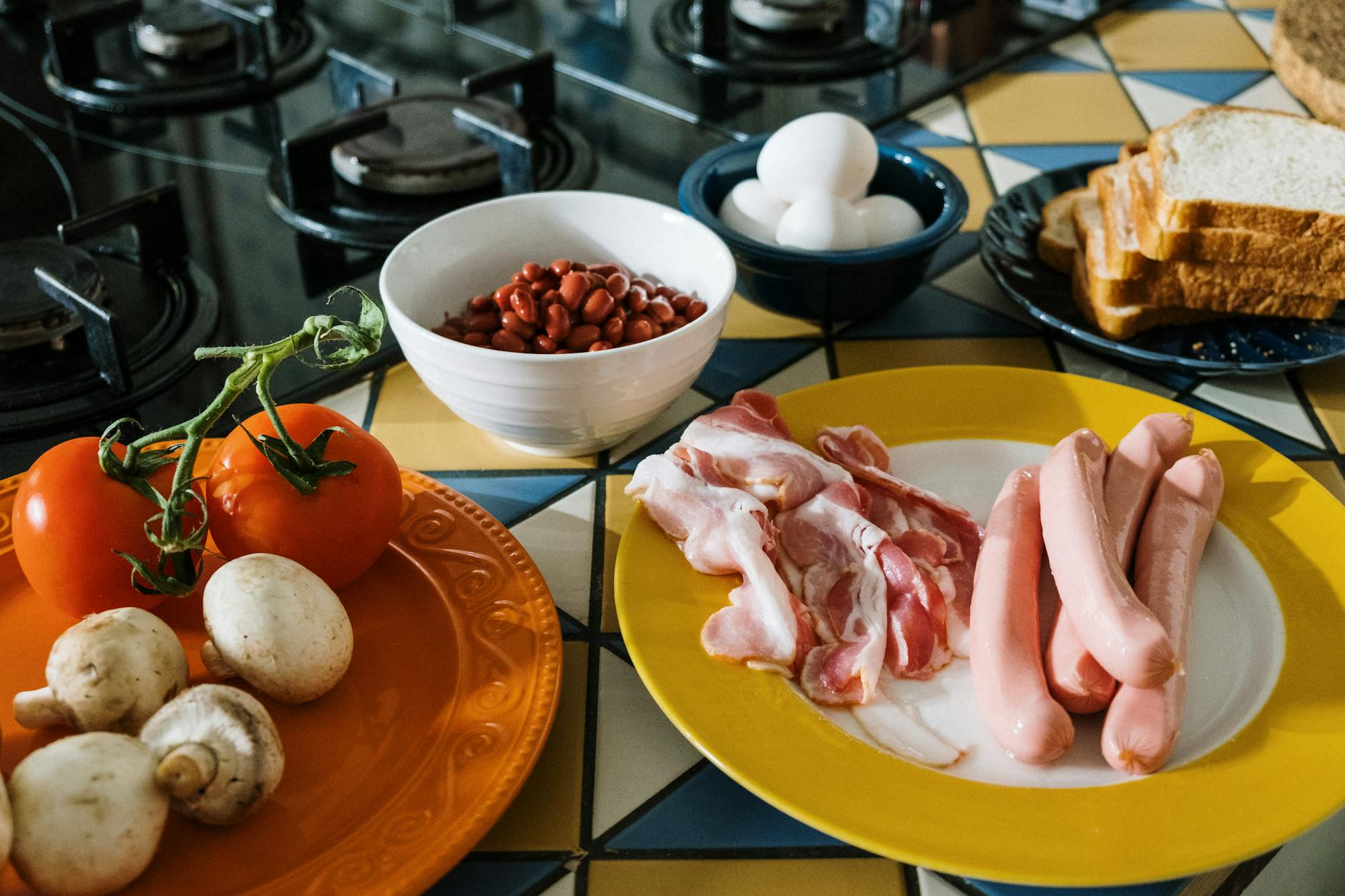
Eating healthy on a budget is not only possible — it can actually save you money. A 2023 study in the International Journal of Behavioral Nutrition and Physical Activity found that planned, nutrient-focused meals cost 23% less than spontaneous food purchases while delivering superior nutritional quality. By prioritizing nutrient-dense staples like beans, eggs, frozen vegetables, and whole grains, the average household can cut weekly grocery spending by $30–50 without sacrificing diet quality.
The belief that healthy food is expensive is one of the most persistent barriers to better nutrition. A 2024 USDA Economic Research Service report found that Americans spend an average of $7,300 per year on groceries — yet nearly 30% goes to ultra-processed convenience foods that deliver fewer nutrients per dollar. The real issue isn't the cost of healthy food; it's how we shop and plan. This guide breaks down the most cost-effective nutritious foods, budget shopping strategies, batch cooking systems, and how calorie tracking can actually reduce your grocery bill.
Does Healthy Eating Really Cost More Than Junk Food?
No — when measured by cost per nutrient rather than cost per calorie, healthy whole foods are often cheaper. A 2021 meta-analysis in The Lancet Planetary Health found that a healthy diet costs only $1.50 more per day than an unhealthy one in high-income countries. However, this gap narrows or disappears entirely when you factor in food waste reduction through meal planning.
The key shift is measuring food value by nutrient density — the vitamins, minerals, protein, and fiber you get per dollar — rather than raw calories. A 500-calorie bag of chips and a 500-calorie meal of rice, beans, and frozen vegetables cost about the same, but the latter delivers 4–6 times more protein, fiber, and micronutrients.
| Food Category | Avg Cost/Serving | Protein (g) | Fiber (g) | Nutrient Density |
| Dried beans/lentils | $0.15–0.25 | 8–12 | 6–9 | Very High |
| Eggs | $0.25–0.35 | 6 | 0 | Very High |
| Frozen vegetables | $0.20–0.40 | 2–4 | 2–5 | High |
| Oats | $0.10–0.20 | 5 | 4 | High |
| Canned tuna | $0.50–0.75 | 20–25 | 0 | High |
| Brown rice | $0.10–0.15 | 3 | 2 | Moderate |
| Bananas | $0.15–0.25 | 1 | 3 | Moderate |
| Chicken thighs | $0.50–0.80 | 20–25 | 0 | High |
| Peanut butter | $0.15–0.25 | 7 | 2 | High |
What Are the Most Nutritious Foods You Can Buy on a Budget?
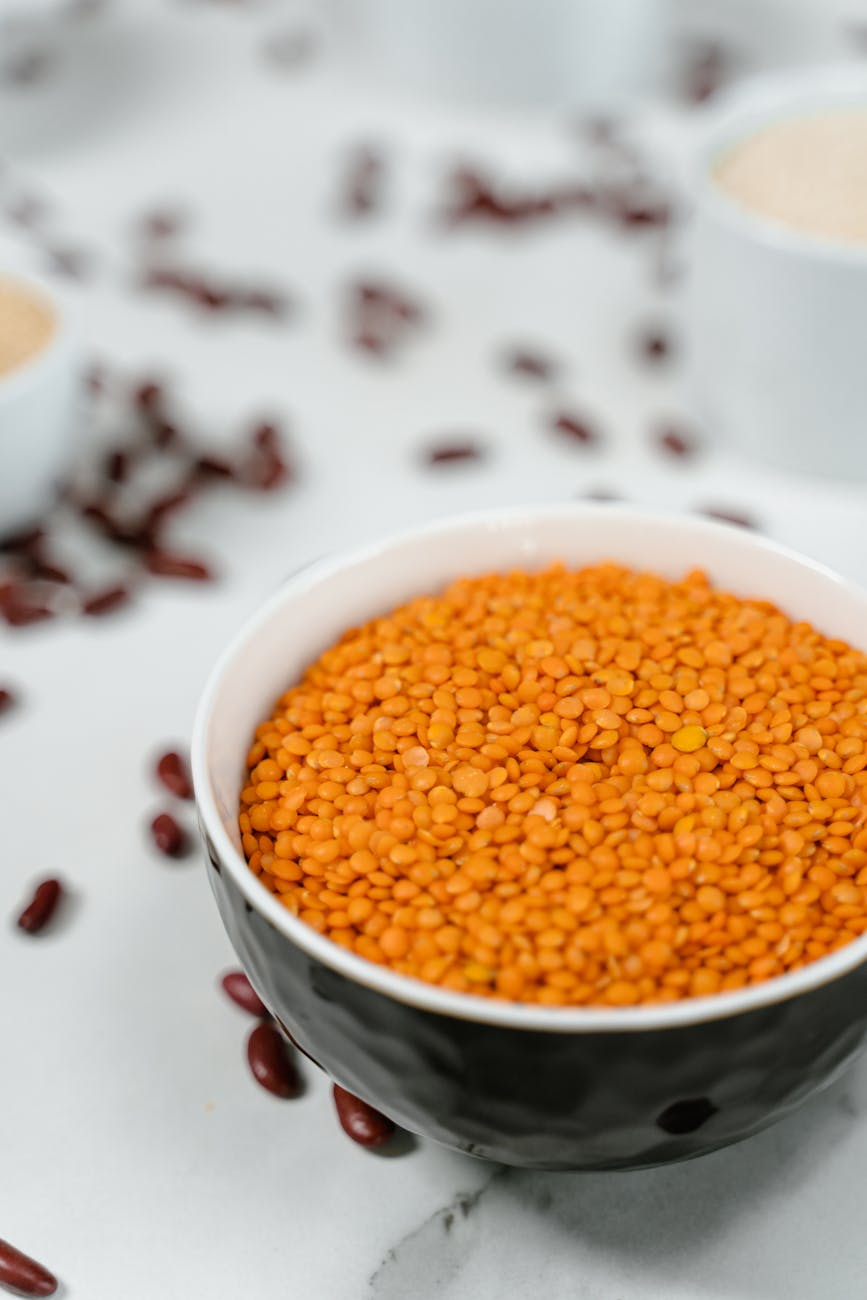
The most budget-friendly nutritious foods share three characteristics: long shelf life, high nutrient density, and cooking versatility. A 2022 study in the Journal of Nutrition Education and Behavior ranked foods by nutritional value per dollar spent and found that legumes, eggs, and frozen vegetables consistently topped the list.
Which Proteins Give You the Most Value Per Dollar?
For context on why protein should be your budget priority, see our guide to protein tracking for beginners.
Which Fruits and Vegetables Are Cheapest Year-Round?
Frozen fruits and vegetables are nutritionally equivalent to fresh — and often superior. A 2017 study in the Journal of Food Composition and Analysis found that frozen produce retained equal or higher levels of vitamins A, C, and E compared to fresh produce stored for 5+ days. Frozen options also eliminate waste, which accounts for nearly 30% of fresh produce purchases according to the USDA.
Best budget produce picks:
- Frozen broccoli, spinach, mixed vegetables — $0.20–0.30/serving
- Bananas — $0.15–0.20 each, available year-round
- Carrots — $0.10–0.15/serving, last 3–4 weeks refrigerated
- Cabbage — $0.15/serving, extremely versatile
- Canned tomatoes — $0.20/serving, perfect base for sauces and stews
How Can Meal Planning Save You Money on Groceries?
Meal planning is the single most effective budget strategy. A 2023 study in the International Journal of Behavioral Nutrition and Physical Activity found that individuals who planned meals spent 23% less on food and consumed 14% more fruits and vegetables than non-planners. The savings come from three sources: reduced food waste, fewer impulse purchases, and strategic use of ingredients across multiple meals.
What Does a Budget Meal Planning System Look Like?
A complete meal planning system adapted for budget eating follows five steps:
| Weekly Budget | Strategy | Sample Daily Menu |
| $30–40/person | Beans + rice focused | Oats, eggs, bean/rice bowls, frozen veg stir-fry |
| $40–60/person | Mixed protein | Add chicken thighs, canned tuna, Greek yogurt |
| $60–80/person | More variety | Add fresh produce, lean meats, whole grain bread |
| $80–100/person | Flexible | Full variety with some convenience items |
How Does Batch Cooking Cut Your Food Budget?
Batch cooking reduces costs by 25–40% compared to cooking individual meals daily. You buy ingredients in bulk, minimize energy costs, and virtually eliminate the temptation of expensive takeout or delivery — which costs 3–5 times more per serving than home-cooked meals according to a 2024 Bureau of Labor Statistics analysis.
The core meal prep and calorie counting approach works perfectly for budget eating. Cook these five staples weekly:
This system means you spend 2–3 hours cooking once per week instead of 30–60 minutes daily, saving both time and money.
Can Calorie Tracking Actually Help You Spend Less on Food?
Yes — calorie tracking reveals exactly how much food your body needs, preventing both overconsumption and wasteful overbuying. When you know your daily calorie target, you can calculate precise grocery quantities. A person eating 2,000 calories per day needs roughly 14,000 calories worth of food per week — no more, no less.
According to the USDA, the average American wastes 219 lbs of food per year, worth approximately $1,500. Tracking your intake creates awareness of exactly what and how much you consume, making it far easier to buy the right quantities. Users who track calories consistently report buying 15–20% fewer groceries while maintaining the same nutritional intake.
What Are Easy Budget Meals That Actually Taste Good?
Budget eating doesn't mean bland eating. These quick healthy meals under 500 calories cost under $2.50 per serving and deliver balanced macronutrients:
What Are the Best Budget Breakfast Options?
- Overnight oats with banana and peanut butter — 420 cal, 15 g protein, $0.75
- Scrambled eggs with toast and frozen spinach — 380 cal, 22 g protein, $0.80
- Greek yogurt with oats and frozen berries — 350 cal, 20 g protein, $0.90
What Budget Lunches Keep You Full Until Dinner?
- Black bean and rice bowl with salsa — 480 cal, 18 g protein, $0.85
- Tuna salad on whole wheat with carrots — 420 cal, 30 g protein, $1.20
- Lentil soup with bread — 450 cal, 20 g protein, $0.70
What Are the Best Cheap Dinners for Balanced Nutrition?
- Chicken thigh stir-fry with frozen vegetables and rice — 520 cal, 35 g protein, $2.00
- Pasta with canned tomato sauce, white beans, and frozen broccoli — 480 cal, 22 g protein, $1.50
- Egg fried rice with frozen peas and soy sauce — 460 cal, 18 g protein, $1.00
Frequently Asked Questions
How much should I spend on groceries per week for one person?
The USDA's "thrifty" food plan recommends $50–60 per week for one adult in 2026. However, with strategic meal planning and batch cooking, many people maintain excellent nutrition on $35–50 per week. The key is prioritizing nutrient-dense staples like beans, eggs, frozen vegetables, and whole grains over pre-packaged convenience foods.
Are frozen vegetables as nutritious as fresh ones?
Yes — frozen vegetables are nutritionally equivalent to fresh and often superior. A 2017 study in the Journal of Food Composition and Analysis found that frozen produce retains equal or higher levels of vitamins A, C, and E compared to fresh produce stored for more than 5 days. Frozen options also dramatically reduce food waste.
Is it cheaper to cook at home or eat out?
Cooking at home costs 3–5 times less per meal than eating out or ordering delivery. A 2024 Bureau of Labor Statistics analysis found the average restaurant meal costs $15–18 per person, while a comparable home-cooked meal costs $3–5. Batch cooking further reduces costs by maximizing ingredient efficiency.
What are the cheapest sources of protein?
Dried lentils ($0.15/serving), eggs ($0.25–0.35 each), canned beans ($0.20/serving), and chicken thighs ($0.50–0.80/serving) are the most cost-effective protein sources. Peanut butter and Greek yogurt also deliver strong protein per dollar. Prioritizing these over premium cuts can cut protein costs by 50% or more.
How does meal planning save money?
Meal planning saves money through three mechanisms: reducing food waste (the average household wastes $1,500/year in food), preventing impulse purchases at the grocery store, and enabling strategic use of sale items. A 2023 study found meal planners spend 23% less on food while eating 14% more fruits and vegetables.
Can I eat healthy on $30 per week?
It's challenging but possible with strict planning. Focus entirely on dried beans, rice, oats, eggs, frozen vegetables, and seasonal fruit. You'll need to batch cook everything, avoid any packaged foods, and shop at discount grocers. Calorie tracking helps ensure you're meeting nutritional needs within this tight budget.
Should I buy organic foods on a budget?
If budget is tight, conventional produce is perfectly nutritious and far better than skipping fruits and vegetables entirely. The Environmental Working Group's "Dirty Dozen" list can guide selective organic purchases for the most pesticide-exposed items. Focus your budget on eating more whole foods rather than organic versions of fewer foods.
How do I avoid impulse buying at the grocery store?
Shop with a detailed list and never shop while hungry — studies show hungry shoppers spend 25–30% more. Stick to the perimeter of the store where whole foods are located. Use a calculator app to track your running total. Avoid end-cap displays and checkout-lane snacks, which are strategically priced for impulse purchases.
Sources
Ready to track smarter?
Join thousands who use KCALM for calorie tracking. AI-powered food recognition, scientifically-validated calculations, and zero anxiety.
Related Articles
Quick Healthy Meals Under 500 Calories You Can Make Fast
Need fast, low-calorie meals? Here are 15 quick healthy meals under 500 calories with full macro breakdowns, prep times under 20 minutes, and easy calorie tracking tips.
Tips & TricksMeal Prep and Calorie Counting: How to Track Batch-Cooked Meals
Master the art of tracking batch-cooked meals with simple strategies for calculating calories in meal prep containers.
Tips & TricksEating Out? How to Estimate Restaurant Calories Without Stressing
Practical tips for estimating calories when dining out, from visual portion guides to cuisine-specific strategies.