Flexible Dieting and IIFYM: A Science-Backed Guide
What is flexible dieting (IIFYM)? Learn how If It Fits Your Macros works, how to calculate your macros, what the research says, and how to build a sustainable flexible eating plan.

Sophie Carter
Certified Health Coach & Wellness Writer
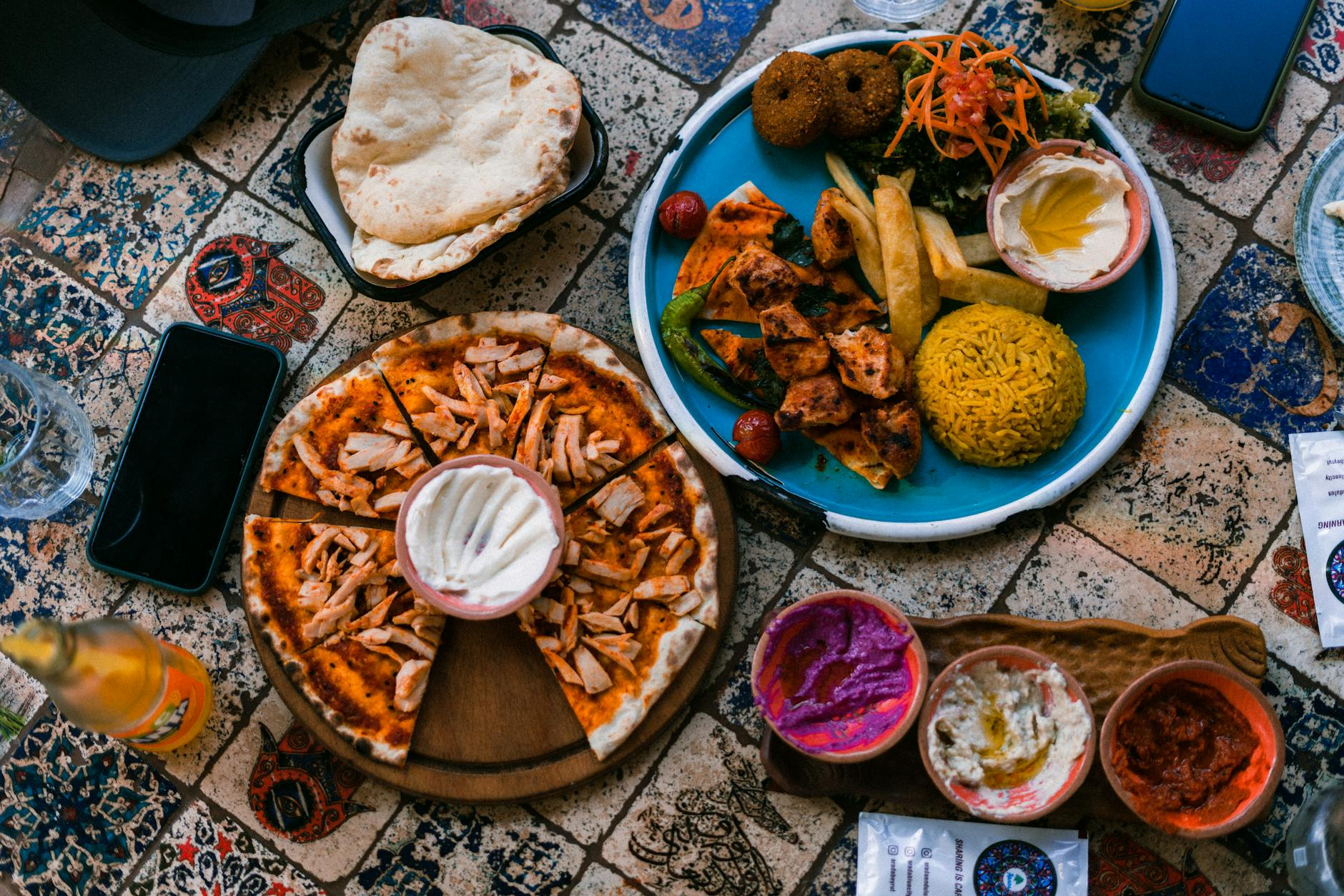
Flexible dieting — also called IIFYM (If It Fits Your Macros) — is a nutrition approach where you hit daily protein, carb, and fat targets while choosing any foods you enjoy. A 2019 study in Appetite found that flexible dietary restraint is associated with lower BMI, less overeating, and reduced psychological distress compared to rigid dieting. Rather than labeling foods "good" or "bad," flexible dieting focuses on overall macronutrient balance for sustainable results.
This guide covers how flexible dieting works, how to calculate your macros, what the research says about its effectiveness for weight loss and body composition, and how to build a flexible eating plan that fits your real life.
What Is Flexible Dieting and How Does IIFYM Work?
Flexible dieting is a nutrition strategy where you set daily macronutrient targets — grams of protein, carbohydrates, and fat — and then eat any combination of foods that meets those targets. The acronym IIFYM (If It Fits Your Macros) captures the core principle: no food is off-limits as long as your overall daily intake aligns with your goals.
Unlike rigid meal plans that prescribe specific foods at specific times, flexible dieting gives you freedom to choose. Want pizza for dinner? You can work it into your macros by adjusting other meals. A 2021 randomized controlled trial published in the Journal of the International Society of Sports Nutrition found no significant difference in fat loss between flexible and rigid dieting approaches when calories and protein were matched — but adherence was higher in the flexible group.
| Feature | Flexible Dieting (IIFYM) | Rigid Dieting (Meal Plans) |
| Food choices | Any food that fits macros | Pre-set "clean" foods only |
| Adherence rate | Higher long-term | Higher short-term dropout |
| Psychological impact | Lower stress and guilt | Higher anxiety and restriction |
| Social flexibility | Can eat out, attend events | Difficult in social settings |
| Nutrient quality | Self-directed (80/20 recommended) | Typically high micronutrient density |
| Sustainability | Strong evidence for long-term use | Often leads to cycles of restriction and binging |
How Do You Calculate Your Macros for Flexible Dieting?
Calculating your macros involves three steps: determining your total daily energy expenditure (TDEE), setting a calorie target based on your goal, and splitting those calories into protein, carbs, and fat. The process starts with the Mifflin-St Jeor equation, which a 2005 meta-analysis in the Journal of the American Dietetic Association confirmed as the most accurate formula for estimating resting metabolic rate.
Step 1: What Is Your TDEE?
Your Total Daily Energy Expenditure (TDEE) is the total number of calories your body burns in a day, including your basal metabolic rate (BMR), the thermic effect of food, and physical activity. Use the Mifflin-St Jeor equation to find your BMR, then multiply by your activity factor.
Mifflin-St Jeor BMR Formula:
- Men: (10 × weight in kg) + (6.25 × height in cm) − (5 × age) + 5
- Women: (10 × weight in kg) + (6.25 × height in cm) − (5 × age) − 161
| Activity Level | Multiplier | Example (BMR 1,600 kcal) |
| Sedentary (desk job, little exercise) | 1.2 | 1,920 kcal |
| Lightly active (1-3 days/week exercise) | 1.375 | 2,200 kcal |
| Moderately active (3-5 days/week) | 1.55 | 2,480 kcal |
| Very active (6-7 days/week) | 1.725 | 2,760 kcal |
| Extremely active (athlete / physical job) | 1.9 | 3,040 kcal |
Step 2: How Do You Set Your Calorie Target?
Once you know your TDEE, adjust calories based on your goal. For fat loss, a moderate calorie deficit of 300-500 calories below TDEE is sustainable and evidence-based. For muscle gain, a surplus of 200-300 calories supports growth without excessive fat gain. For maintenance, eat at your TDEE.
Step 3: How Do You Split Calories Into Macros?
The standard flexible dieting approach prioritizes protein first, then distributes remaining calories between carbs and fat.
| Goal | Protein | Fat | Carbs |
| Fat loss (75 kg person, 2,000 kcal) | 150 g (600 kcal) | 67 g (600 kcal) | 200 g (800 kcal) |
| Maintenance (75 kg, 2,500 kcal) | 135 g (540 kcal) | 75 g (675 kcal) | 321 g (1,285 kcal) |
| Muscle gain (75 kg, 2,800 kcal) | 150 g (600 kcal) | 78 g (700 kcal) | 375 g (1,500 kcal) |
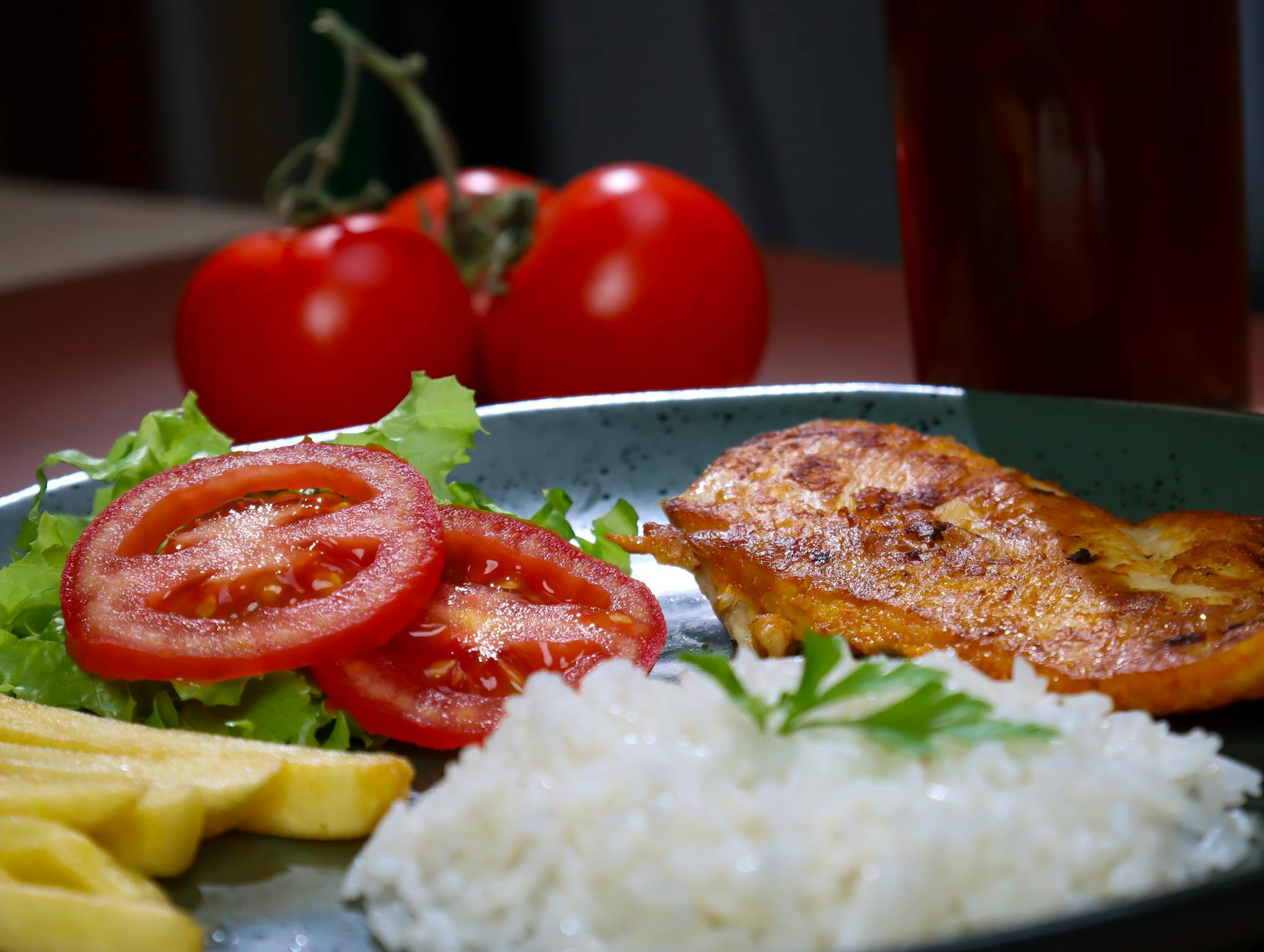
What Does the Research Say About Flexible Dieting for Weight Loss?
The evidence strongly supports flexible dieting as an effective long-term approach to weight management. Research consistently shows that dietary adherence — not the specific diet chosen — is the strongest predictor of weight loss success.
A landmark 2014 study in JAMA compared four popular diets (Atkins, Zone, Weight Watchers, and Ornish) and found no significant difference in weight loss outcomes between them. Adherence was the only variable that predicted meaningful results, with a roughly 6.8 kg difference between high and low adherers over 12 months. This finding underpins the core logic of IIFYM: if you can stick to a diet, it will work.
Does Flexible Dieting Preserve Muscle During Weight Loss?
Yes. A 2021 randomized controlled trial in the Journal of the International Society of Sports Nutrition compared flexible versus rigid dieting in resistance-trained individuals over a 20-week period (10 weeks dieting, 10 weeks post-diet). Both groups achieved similar fat loss during a 20% calorie deficit. However, the flexible dieting group reported lower eating disorder inventory scores and better psychological outcomes during the post-diet phase.
How Does Flexible Dieting Affect Long-Term Adherence?
A 2018 study in Eating Behaviors followed older women through a diet and exercise intervention and found that those who adopted a more flexible eating approach lost significantly more weight than those with rigid eating patterns. The flexible eaters also maintained their weight loss better at follow-up, suggesting that psychological flexibility around food translates directly to sustainable results.
What Is the 80/20 Rule in Flexible Dieting?
The 80/20 rule is an informal guideline within flexible dieting: aim to get approximately 80% of your daily calories from nutrient-dense whole foods and allow up to 20% from less nutrient-dense "fun" foods. This approach ensures adequate micronutrient intake while maintaining the psychological benefits of dietary flexibility.
For someone eating 2,000 calories per day, 80/20 means roughly 1,600 calories from foods like lean meats, whole grains, fruits, vegetables, and healthy fats — and 400 calories from foods you enjoy purely for taste, such as chocolate, chips, or ice cream. This is not a license to eat junk food all day. A 2022 review in Nutrients emphasized that micronutrient adequacy remains important regardless of the dietary approach, and that relying heavily on ultra-processed foods can increase inflammation markers even when macros are met.
What Does an 80/20 Day Look Like?
This structure gives you dietary freedom without sacrificing nutrition quality. The key is tracking your macros to ensure the indulgence fits within your daily targets.
How Is Flexible Dieting Different From Counting Calories?
Flexible dieting and calorie counting overlap but are not identical. Basic calorie counting tracks total energy intake only — you hit a calorie target regardless of where those calories come from. Flexible dieting tracks macronutrients (protein, carbs, and fat), which automatically accounts for calories while also optimizing body composition.
| Approach | What You Track | Body Composition Benefit | Nutrient Focus |
| Calorie counting only | Total calories | Moderate — weight changes but composition varies | Low — a calorie is a calorie |
| Flexible dieting (IIFYM) | Protein, carbs, fat | High — preserves muscle, optimizes fat loss | Moderate — macros drive food choices |
| Clean eating | Food quality only | Variable — no portion control | High — nutrient-dense foods prioritized |
| Intuitive eating | Hunger/fullness cues | Variable — depends on individual | Moderate — focus on internal signals |
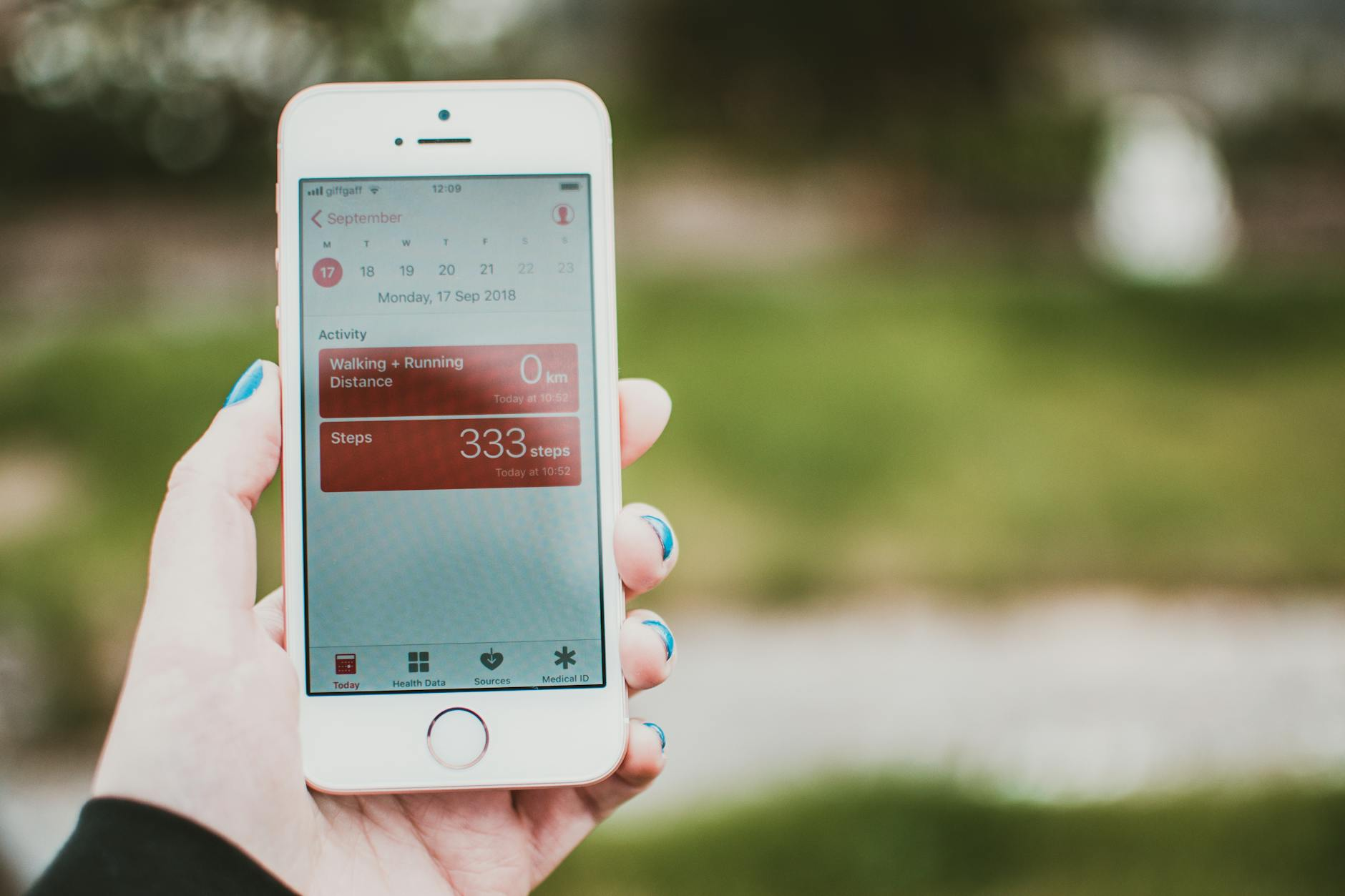
What Are Common Mistakes People Make With Flexible Dieting?
Flexible dieting is straightforward in theory, but several mistakes can undermine results in practice. Understanding these pitfalls helps you get the most from the approach.
Mistake 1: Treating IIFYM as a Junk Food Diet
The most common misconception is that IIFYM means eating whatever you want. While no food is technically off-limits, consistently filling your macros with ultra-processed foods will leave you deficient in fiber, vitamins, and minerals. According to a 2019 study in Cell Metabolism, participants who ate an ultra-processed diet consumed an average of 508 more calories per day than those eating unprocessed foods — even when macros were matched. The 80/20 rule exists for a reason.
Mistake 2: Ignoring Fiber and Micronutrients
Macros matter, but they do not capture everything. Aim for at least 25-30 grams of fiber daily (the fibermaxxing trend explores why this matters) and eat a variety of colorful fruits and vegetables to cover your micronutrient bases.
Mistake 3: Obsessing Over Exact Numbers
Flexible dieting should reduce food anxiety, not increase it. Hitting your macros within 5-10 grams is more than adequate. A study in Appetite (2019) found that rigid dietary approaches — including obsessively precise tracking — are associated with higher eating disorder symptom scores. Aim for consistency over perfection.
Mistake 4: Not Adjusting Macros Over Time
Your macro targets should evolve as your weight, activity level, and goals change. Re-calculate every 4-6 weeks or when progress stalls. A 2017 review in Obesity Reviews documented that metabolic adaptation during dieting can reduce energy expenditure by 5-15%, meaning your initial macro targets will eventually need updating.
How Do You Track Macros Effectively?
Successful flexible dieting requires consistent, accurate macro tracking. The most effective methods combine technology with simple habits.
What Tools Do You Need?
How Long Does It Take to See Results?
Most people see measurable changes within 2-4 weeks of consistent tracking. Fat loss of 0.5-1% of body weight per week is a sustainable rate that minimizes muscle loss. For a 75 kg person, that is 0.375-0.75 kg (0.8-1.6 lbs) per week. According to a 2014 study in the International Journal of Sport Nutrition and Exercise Metabolism, faster weight loss (>1% body weight/week) significantly increases the risk of lean mass loss even with adequate protein intake.
Frequently Asked Questions
Is flexible dieting the same as IIFYM?
Yes, flexible dieting and IIFYM (If It Fits Your Macros) refer to the same approach. Both focus on hitting daily macronutrient targets while allowing free food choice. The term "flexible dieting" is more commonly used by dietitians and researchers, while IIFYM originated in bodybuilding communities around 2005. Functionally, they are identical nutrition strategies.
Can you lose weight with flexible dieting?
Absolutely. Flexible dieting creates weight loss through a calorie deficit achieved via macro targets. A 2014 JAMA study found that adherence — not the specific diet — predicts weight loss success. By allowing food choice, flexible dieting improves adherence. Most people lose 0.5-1% of body weight per week on a well-structured flexible diet with a 300-500 calorie deficit.
Is flexible dieting healthy?
When implemented correctly with the 80/20 rule, flexible dieting supports both physical and mental health. A 2019 study in Appetite linked flexible dietary restraint to lower BMI, less overeating, and reduced psychological distress. The key is prioritizing nutrient-dense foods for most of your intake while allowing occasional treats that fit your macros.
Do you have to track macros forever with IIFYM?
No. Most people track macros for 3-6 months to develop portion awareness and food knowledge. After that, many transition to "intuitive macro eating" — making food choices based on internalized knowledge of portion sizes and macro content without logging every meal. Some people return to precise tracking when pursuing specific goals like fat loss or muscle gain.
How accurate do you need to be with macro tracking?
You do not need to be perfect. Hitting your macros within 5-10 grams per macronutrient is sufficient for consistent results. Protein is the most important macro to hit consistently, as it directly affects muscle preservation. Carbs and fat can fluctuate more as long as total calories remain close to target. Obsessing over exact numbers can undermine the psychological benefits of flexible dieting.
Can you eat junk food on a flexible diet?
You can include any food that fits your macro targets, but "can" does not mean "should" for every meal. The 80/20 guideline recommends getting 80% of calories from nutrient-dense whole foods and up to 20% from less nutritious options. Research in Cell Metabolism (2019) showed that ultra-processed diets increase calorie intake, so moderation is important.
Is flexible dieting good for athletes?
Yes. A 2021 study in the Journal of the International Society of Sports Nutrition found that flexible dieting produced equivalent body composition results to rigid dieting in resistance-trained individuals while causing less psychological distress. Many competitive bodybuilders, CrossFit athletes, and endurance athletes use flexible dieting to manage weight while maintaining performance and social flexibility.
How does flexible dieting compare to clean eating?
Clean eating restricts food choices to "whole" or "unprocessed" foods without tracking portions, while flexible dieting tracks macros without restricting food types. Research shows clean eating can lead to adequate micronutrient intake but often fails on portion control, while flexible dieting controls portions but requires the 80/20 rule for micronutrient adequacy. Combining macro tracking with mostly whole foods delivers the best outcomes.
What is the best macro split for fat loss?
A starting point for fat loss is 2.0 g protein per kg body weight, 0.8-1.0 g fat per kg body weight, and filling remaining calories with carbs. For a 75 kg person eating 2,000 kcal, that is approximately 150 g protein, 67 g fat, and 200 g carbs. Adjust every 4-6 weeks based on progress. Protein should remain high to preserve muscle during a deficit.
Can you do flexible dieting without counting macros?
A simplified version uses the "hand portion" method: one palm-sized serving of protein, one fist of vegetables, one cupped hand of carbs, and one thumb of fats per meal. This provides rough macro balance without tracking. However, for precise results — especially for fat loss or competition prep — tracking macros with an app or AI-powered tool delivers significantly better accuracy.
Sources
Ready to track smarter?
Join thousands who use KCALM for calorie tracking. AI-powered food recognition, scientifically-validated calculations, and zero anxiety.
Related Articles
Fibermaxxing Explained: Why Fiber Is the Top Nutrition Trend
What is fibermaxxing? Learn why fiber is 2026's biggest nutrition trend, how much you need daily, the best high-fiber foods, and science-backed benefits for gut health and weight loss.
NutritionThe Ultimate Guide to Macronutrients: Protein, Carbs & Fat
A science-backed deep dive into macronutrients: how protein, carbs, and fat affect your body, how to calculate your ideal ratio, and how to track macros for any goal.
NutritionProtein Tracking for Beginners: Why It Matters More Than Calories Alone
Learn why protein deserves special attention in your nutrition tracking and how to hit your protein goals without obsessing over every gram.