Fibermaxxing Explained: Why Fiber Is the Top Nutrition Trend
What is fibermaxxing? Learn why fiber is 2026's biggest nutrition trend, how much you need daily, the best high-fiber foods, and science-backed benefits for gut health and weight loss.

Dr. Maya Patel
Registered Dietitian, M.S. Nutrition Science

Fibermaxxing — the practice of deliberately maximizing daily dietary fiber intake — is 2026's most talked-about nutrition trend. The science behind it is strong: a 2024 meta-analysis of 64 studies in Clinical Nutrition found that higher fiber intake reduces all-cause mortality by 23%, cardiovascular death by 26%, and cancer mortality by 22%. Yet 95% of Americans still fall short of the recommended 25-38 grams per day, averaging just 16 grams.
This guide breaks down what fibermaxxing actually means, why it works, how much fiber you really need, which foods deliver the most fiber per serving, and how to track your intake without guesswork.
What Is Fibermaxxing and Why Is It Trending in 2026?
Fibermaxxing is a social media-driven movement where people intentionally increase their dietary fiber intake through whole foods like legumes, chia seeds, berries, and whole grains. The trend exploded on TikTok in late 2025, with users sharing colorful high-fiber meals and reporting improved digestion, reduced bloating, and better satiety.
The timing makes sense. Protein dominated nutrition conversations in 2025. But a growing body of research — including a 2025 umbrella review in Clinical Nutrition covering 17.1 million individuals across 33 meta-analyses — has shifted attention toward fiber as a critical and chronically under-consumed nutrient. According to the USDA, more than 90% of women and 97% of men in the United States fail to meet the recommended daily fiber intake.
How Much Fiber Do You Actually Need Per Day?
The Dietary Guidelines for Americans (2020-2025) recommend 14 grams of fiber per 1,000 calories consumed. For most adults, this translates to 25 grams per day for women and 38 grams per day for men. The average American eats only about 16 grams — roughly 58% of the recommended amount.
| Group | Recommended Daily Fiber | Average Actual Intake | Gap |
| Women (19-30) | 28 g | ~16 g | -12 g |
| Women (31-50) | 25 g | ~15 g | -10 g |
| Men (19-30) | 34 g | ~18 g | -16 g |
| Men (31-50) | 31 g | ~17 g | -14 g |
| Adults 51+ | 22-28 g | ~14 g | -8-14 g |
What Are the Proven Health Benefits of Eating More Fiber?
Fiber's health benefits go far beyond digestive regularity. Peer-reviewed research links higher fiber intake to reduced risk of heart disease, type 2 diabetes, colorectal cancer, and premature death.
Does Fiber Really Reduce Your Risk of Dying?
Yes. A 2024 systematic review and meta-analysis published in Clinical Nutrition, analyzing 64 prospective cohort studies with over 3.5 million participants, found that each additional 10 grams of daily fiber is associated with a 10% reduction in all-cause mortality. The protective effect was strongest for fiber from whole grains, vegetables, and legumes.
How Does Fiber Protect Your Heart?
Soluble fiber lowers LDL ("bad") cholesterol by binding to bile acids in the gut. A 2023 meta-analysis in Frontiers in Nutrition found that high fiber intake reduces cardiovascular disease risk by 26%. Fiber from nuts and seeds showed the strongest cardiovascular benefit, reducing CVD-related death by 43%.
Can Fiber Help You Lose Weight?
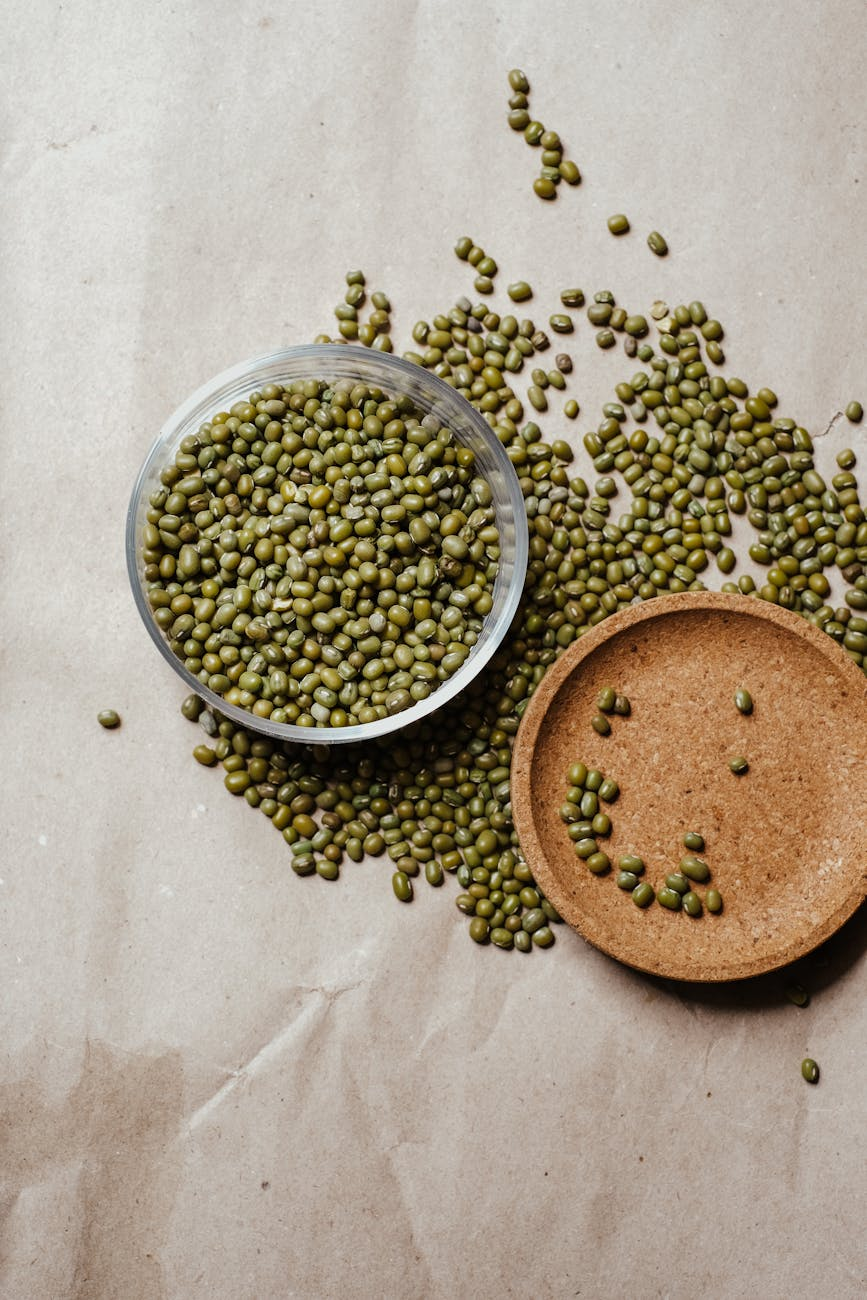
Fiber promotes weight loss through multiple mechanisms. It increases satiety by slowing gastric emptying, stimulates appetite-suppressing hormones like GLP-1 and peptide YY, and adds bulk to meals without adding calories. A 2023 study in Frontiers in Nutrition found that adults in the highest quartile of fiber intake had significantly lower rates of obesity compared to those in the lowest quartile. Tracking fiber alongside your macronutrients can help you hit satiety targets while staying in a calorie deficit.
What Does Fiber Do for Your Gut Microbiome?
When gut bacteria ferment dietary fiber, they produce short-chain fatty acids (SCFAs) — particularly butyrate, propionate, and acetate. These SCFAs are the primary energy source for cells lining the colon and play critical roles in reducing inflammation, strengthening the gut barrier, and supporting immune function.
A 2024 review in the Journal of Gastroenterology and Hepatology confirmed that different fiber types produce different SCFA profiles, which is why fiber diversity matters as much as total fiber intake. This is the key nuance that separates evidence-based fibermaxxing from simply dumping psyllium husk into every smoothie.
For a broader look at how nutrition science connects to your daily habits, see our guide on evidence-based weight management strategies.
What Are the Best High-Fiber Foods to Eat?
Not all fiber sources are equal. Legumes, seeds, and whole grains deliver the most fiber per serving, while also providing protein, minerals, and diverse fiber types that feed different gut bacteria populations.
| Food | Serving Size | Fiber (g) | Fiber Type |
| Split peas (cooked) | 1 cup | 16.0 | Soluble + insoluble |
| Lentils (cooked) | 1 cup | 15.6 | Soluble + insoluble |
| Black beans (cooked) | 1 cup | 15.0 | Soluble + insoluble |
| Chia seeds | 2 tbsp | 9.8 | Soluble (gel-forming) |
| Avocado | 1 whole | 9.2 | Mostly insoluble |
| Raspberries | 1 cup | 8.0 | Insoluble |
| Oats (cooked) | 1 cup | 4.0 | Soluble (beta-glucan) |
| Broccoli (cooked) | 1 cup | 5.1 | Insoluble |
| Almonds | 1 oz (23 almonds) | 3.5 | Insoluble |
| Sweet potato (medium) | 1 medium | 3.8 | Soluble + insoluble |
What Is the Difference Between Soluble and Insoluble Fiber?
Soluble fiber dissolves in water to form a gel-like substance. It slows digestion, lowers cholesterol, and stabilizes blood sugar. Key sources include oats, beans, chia seeds, and apples. Insoluble fiber does not dissolve — it adds bulk to stool and promotes regular bowel movements. Key sources include whole wheat, vegetables, and nuts.
Both types matter. A 2024 meta-analysis in Clinical Nutrition found that insoluble fiber was slightly more effective than soluble fiber at reducing total mortality and CVD mortality, but the best outcomes came from consuming both types through a diverse range of whole foods.
How Do You Start Fibermaxxing Without Digestive Discomfort?
The most common fibermaxxing mistake is increasing fiber intake too quickly, which causes bloating, gas, and cramping. Your gut microbiome needs time to adapt to higher fiber loads.
For tips on building consistent nutrition habits that stick, check out our guide on building sustainable tracking habits.
How Do You Track Fiber Intake Alongside Calories?
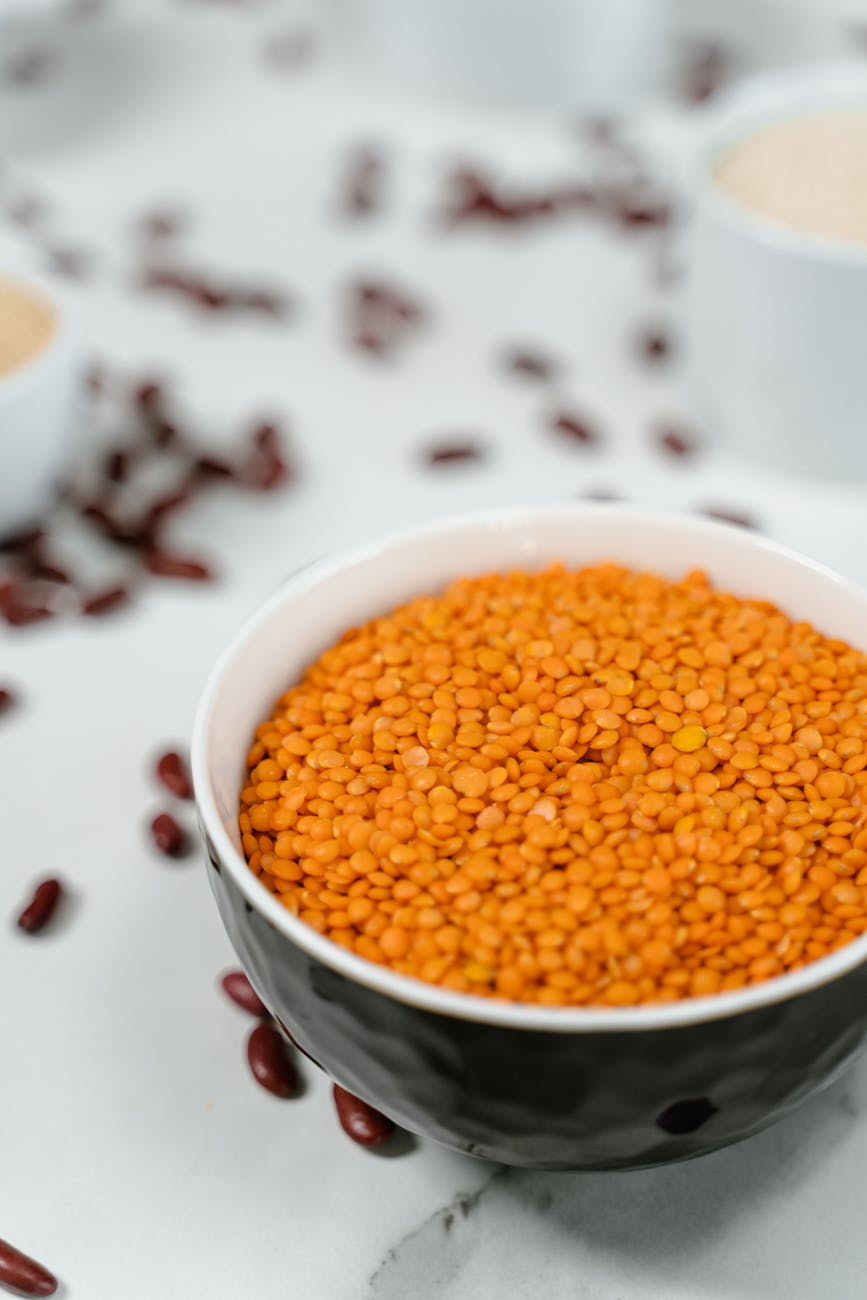
Tracking fiber does not require a separate app or spreadsheet. Most modern nutrition trackers — including AI-powered tools — log fiber automatically when you log a meal. The key is making fiber a visible target alongside your calorie and macronutrient goals.
Here's a practical daily fiber plan for someone eating 2,000 calories:
| Meal | Foods | Approx. Fiber |
| Breakfast | Oatmeal (1 cup) + raspberries (½ cup) + chia seeds (1 tbsp) | 12 g |
| Lunch | Lentil soup (1 cup) + whole-grain bread (1 slice) | 11 g |
| Snack | Apple (1 medium) + almonds (1 oz) | 8 g |
| Dinner | Grilled chicken + broccoli (1 cup) + sweet potato (1 medium) | 9 g |
| Daily Total | ~40 g |
Is Fibermaxxing Safe for Everyone?
Fibermaxxing is safe for most healthy adults when fiber is increased gradually. However, some populations should consult a healthcare provider before significantly increasing fiber intake:
- People with IBS or IBD — high-fiber diets can worsen symptoms in some individuals, particularly high-FODMAP fibers
- Those on certain medications — fiber can affect absorption of some drugs, including thyroid medications and certain antibiotics
- Post-surgical patients — low-residue diets may be temporarily required after GI surgery
- People with kidney disease — high-potassium fiber sources like beans require monitoring
Frequently Asked Questions
How many grams of fiber should I eat per day?
The Dietary Guidelines for Americans recommend 25 grams per day for women and 38 grams per day for men, or 14 grams per 1,000 calories consumed. Most Americans eat only about 16 grams. Gradually increasing toward these targets through whole foods is the most evidence-based approach.
What is the fastest way to increase my fiber intake?
Legumes are the most fiber-dense foods available. Adding one cup of cooked lentils (15.6 g) or black beans (15 g) to your daily meals can nearly double the average American's fiber intake. Chia seeds (9.8 g per 2 tablespoons) are another quick addition to smoothies, oatmeal, or yogurt.
Can too much fiber be harmful?
Extremely high fiber intake — above 70 grams per day — can cause bloating, gas, and mineral absorption issues. For most people, the real risk is eating too little fiber, not too much. Increase gradually, drink water, and diversify your sources to minimize digestive discomfort.
Does fiber really help with weight loss?
Yes. Fiber increases satiety, slows gastric emptying, and stimulates appetite-suppressing hormones like GLP-1 and peptide YY. A systematic review found that higher fiber intake is associated with lower body weight and reduced obesity rates. Fiber adds bulk to meals without adding significant calories.
What is the difference between soluble and insoluble fiber?
Soluble fiber dissolves in water, forms a gel, and helps lower cholesterol and stabilize blood sugar. Sources include oats, beans, and chia seeds. Insoluble fiber does not dissolve — it promotes bowel regularity and adds stool bulk. Sources include whole wheat, vegetables, and nuts. Both types are important.
Should I take a fiber supplement or eat whole foods?
Whole foods are preferred because they provide diverse fiber types plus vitamins, minerals, and phytonutrients that supplements lack. Supplements like psyllium husk can be useful for people who struggle to meet targets through food alone, but they should complement — not replace — a whole-food approach.
How long does it take for my gut to adjust to more fiber?
Most people need 2-4 weeks for their gut microbiome to fully adapt to significantly higher fiber intake. During this adjustment period, you may experience increased gas and bloating. Starting with small increases (5 grams every 3-5 days) minimizes discomfort.
Is fibermaxxing just a fad or is there real science behind it?
The trend name is new, but the science is decades old. A 2025 umbrella review covering 33 meta-analyses and 17.1 million individuals found that 76% of studies showed significant protective associations between higher fiber intake and reduced disease risk. Fiber's benefits for mortality, heart health, and gut health are among the most replicated findings in nutrition research.
Can I track fiber with a calorie tracking app?
Yes. Most modern calorie tracking apps, including AI-powered tools like KCALM, automatically log fiber when you log meals. You can set a daily fiber target alongside your calorie and macronutrient goals to ensure you're hitting the recommended 25-38 grams per day.
What are the best high-fiber breakfast foods?
Oatmeal (4 g per cup cooked), chia seeds (9.8 g per 2 tbsp), raspberries (8 g per cup), and whole-grain toast (2-3 g per slice) are excellent high-fiber breakfast options. A simple bowl of oatmeal topped with berries and chia seeds can provide 12-15 grams of fiber before lunch.
Sources
Ready to track smarter?
Join thousands who use KCALM for calorie tracking. AI-powered food recognition, scientifically-validated calculations, and zero anxiety.
Related Articles
Anti-Inflammatory Foods: What to Eat to Reduce Inflammation
Which foods reduce inflammation? Learn the top anti-inflammatory foods, what to avoid, an anti-inflammatory meal plan, and the science behind chronic inflammation.
NutritionPrebiotics vs. Probiotics: A Beginner's Guide to Gut Health
What is the difference between prebiotics and probiotics? Learn which foods and supplements support gut health, how to choose the right strains, and what the science says.
NutritionNutrition for Fitness Goals: Fuel Muscle, Endurance & Fat Loss
How should you eat for your fitness goal? Learn evidence-based calorie, protein, carb, and fat targets for muscle building, endurance training, fat loss, and body recomposition.