7 Common Calorie Counting Mistakes (And How to Avoid Them)
Avoid these common pitfalls that derail calorie tracking efforts and learn how to log more accurately for better results.

Sophie Carter
Certified Health Coach & Wellness Writer
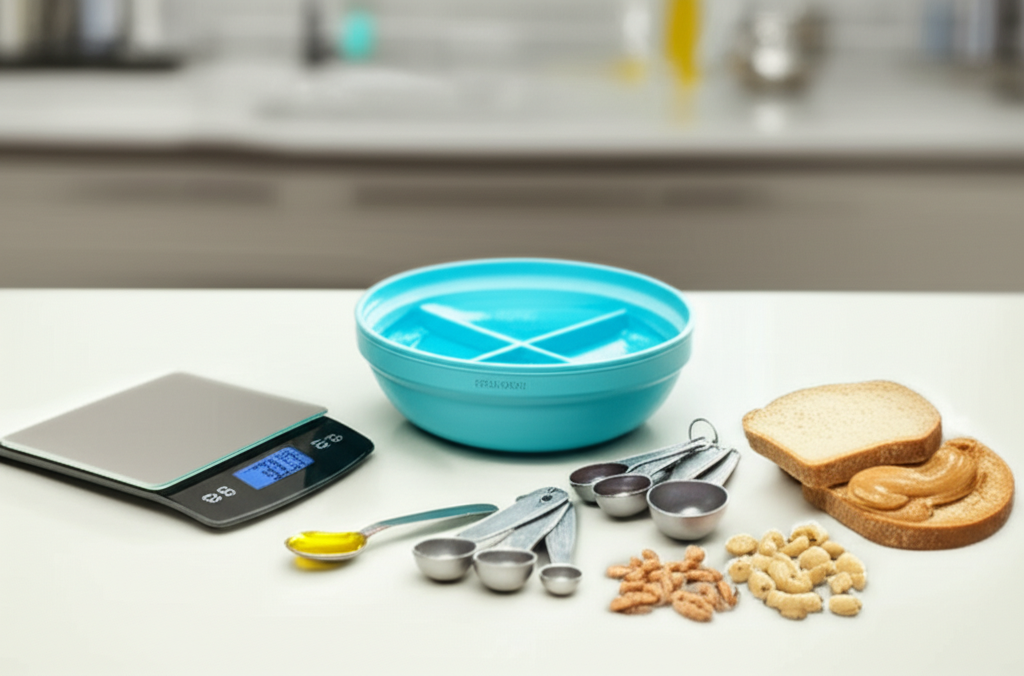
You're tracking diligently, but the scale isn't moving. Before you blame your metabolism, let's look at seven common calorie counting mistakes that could be undermining your efforts—and how to fix them.
1. Not Counting Cooking Oils and Sauces
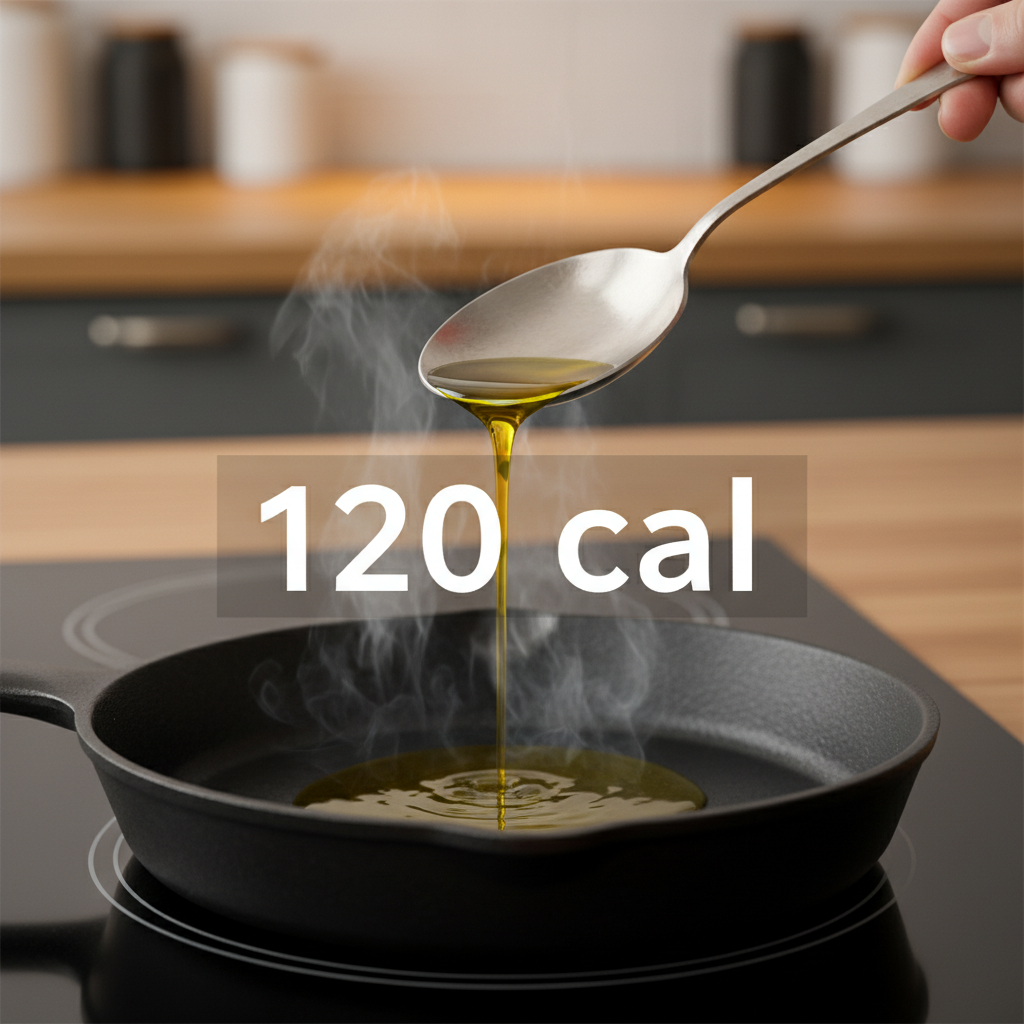
This is the most common tracking blind spot. You log the chicken and vegetables but forget the tablespoon of olive oil you cooked them in. That's 120 calories invisibly added to your meal.
The math adds up:
- Tablespoon of cooking oil: 120 cal
- Two tablespoons of salad dressing: 140-180 cal
- Pat of butter on vegetables: 35 cal
- Mayo on a sandwich: 100 cal
The fix:
- Measure oils before cooking
- Ask for dressings on the side at restaurants
- Log every sauce, spread, and cooking fat
2. Ignoring "Small Bites" Throughout the Day
A bite of your kid's chicken nugget. A few chips while making lunch. A sample at the grocery store. These small bites feel insignificant, but they add up.
Examples of "invisible" eating:
- Handful of nuts while cooking: 150 cal
- Bite of a cookie: 50 cal
- Tasting while cooking: 50-100 cal
- Finishing your kid's plate: 100-200 cal
The fix:
- Log everything, even bites
- Keep a running "miscellaneous" entry for small tastes
- Be aware of mindless munching
3. Using Wrong Serving Sizes
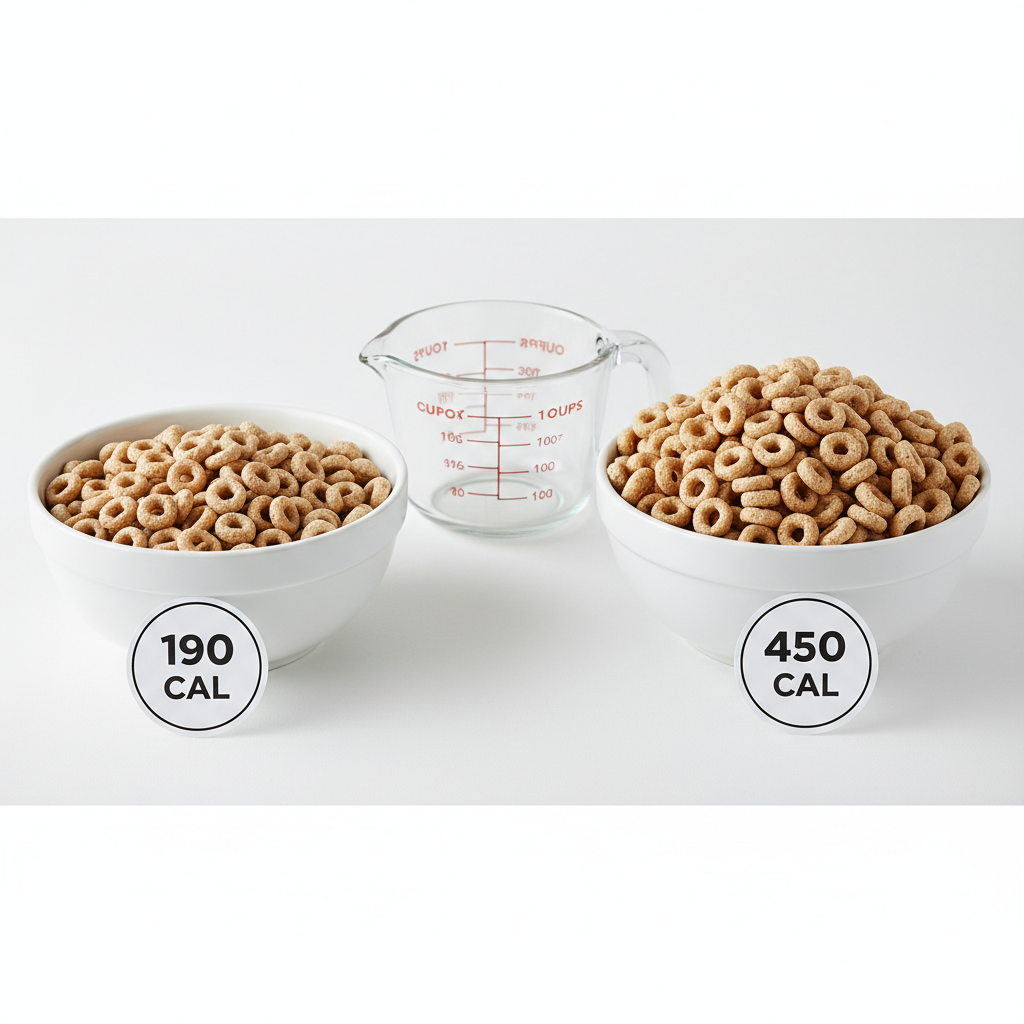
Database entries specify serving sizes that might not match how you eat. "1 cup cereal" in the database might be half of what you actually pour.
Common miscalculations:
- Cereal: most people pour 1.5-2 servings
- Pasta: a "serving" is 2 oz dry, but people typically cook 4-6 oz
- Peanut butter: a serving is 2 tablespoons, but portions creep larger
- Rice: 1 cup cooked is 200 cal, but restaurant portions are 2-3 cups
- Use a food scale, at least occasionally
- Measure portions against serving size definitions
- Don't assume your "cup" matches a measured cup
4. Forgetting Beverages and Alcohol
Liquid calories are easy to overlook because they don't fill you up like food.
Common beverage calories:
- Latte with whole milk: 180 cal
- Glass of wine: 125 cal
- Craft beer: 200-350 cal
- Fruit smoothie: 300-500 cal
- Soda (20 oz): 250 cal
- Sweet tea: 180 cal
The fix:
- Log every beverage, including coffee additions
- Be especially careful with alcohol (it lowers inhibitions around food too)
- Consider switching to lower-calorie alternatives
5. Not Adjusting for Activity Changes
Your calorie target was set based on a certain activity level. If that changes, your target should too.
Examples:
- You were walking daily but stopped when it got cold
- Your job changed from active to desk-based
- You started working out more intensively
- An injury reduced your movement
The fix:
- Reassess activity level quarterly
- Use "Base + Exercise" tracking to adjust dynamically
- Be honest about actual daily movement
6. Being Too Precise (Diminishing Returns)
Counterintuitively, obsessive precision can hurt your tracking. Spending 20 minutes logging a meal leads to burnout, and the stress of "perfect" tracking may cause you to quit entirely.
Precision problems:
- Taking too long to log discourages consistency
- Stress about accuracy causes abandonment
- Chasing exact numbers ignores normal body variation
- Perfect data from one day doesn't matter if you quit the next
- Aim for "good enough" tracking
- Round to the nearest 10 or 25 calories
- Use similar items when exact matches aren't available
- Prioritize consistency over precision
7. Relying on Inaccurate Database Entries
User-submitted entries in food databases often contain errors. The "chicken stir-fry" someone submitted might be wildly different from what you're eating.
Common database issues:
- Entries missing cooking oils or sauces
- Serving sizes that don't match the product
- Old entries with incorrect data
- Restaurant entries that vary by location
The fix:
- Verify entries against nutrition labels when possible
- Use USDA database entries for whole foods
- Cross-check suspicious entries (if something seems too good to be true, it probably is)
- Create your own entries for foods you eat frequently
Bonus: What AI Photo Analysis Catches
One advantage of AI-powered calorie tracking is that it often catches things manual loggers miss:
- Visual oils and sauces: AI can see the sheen of oil on food
- Complete plates: It logs everything visible, reducing forgotten items
- Portion estimation: Photos force portion acknowledgment
How to Self-Audit Your Tracking
Suspect you're making one of these mistakes? Try this:
Often, people find they're underestimating by 200-500 calories daily—enough to completely explain a weight loss plateau.
The KCALM Perspective
We designed KCALM to make catching these mistakes easier. AI photo analysis sees cooking oils and sauces. Easy logging encourages tracking small bites. Built-in beverage options remind you to log drinks.
But no app can force accurate tracking—that comes down to awareness and honesty with yourself. Use these tools to help, but the self-audit matters most.
The Bottom Line
Calorie counting mistakes are common and usually unintentional. The good news is they're fixable. Address your biggest gaps, stay consistent, and remember that imperfect tracking done consistently beats perfect tracking done occasionally.
Track honestly. Adjust when needed. Progress will follow.
Awareness is the first step to accuracy.
Ready to track smarter?
Join thousands who use KCALM for calorie tracking. AI-powered food recognition, scientifically-validated calculations, and zero anxiety.
Related Articles
Meal Prep and Calorie Counting: How to Track Batch-Cooked Meals
Master the art of tracking batch-cooked meals with simple strategies for calculating calories in meal prep containers.
Tips & TricksEating Out? How to Estimate Restaurant Calories Without Stressing
Practical tips for estimating calories when dining out, from visual portion guides to cuisine-specific strategies.