Calorie Counting Without the Anxiety: A Healthier Approach to Nutrition Tracking
Learn how to track your nutrition without stress or obsession. Discover balanced approaches to calorie counting that support both physical and mental health.

Sophie Carter
Certified Health Coach & Wellness Writer

Somewhere along the way, calorie counting got a bad reputation. It became associated with obsession, restriction, and unhealthy relationships with food. But tracking your nutrition doesn't have to feel like punishment—and it shouldn't.
Let's explore how to approach calorie counting in a way that supports both your physical health and your peace of mind.
Why Traditional Calorie Counting Causes Stress
The typical calorie tracking experience is designed to make you feel bad. Red numbers when you "go over." Green checkmarks only when you stay under. Streaks that break when life gets in the way.
This gamification of restriction activates our stress response. We start to view food through a lens of guilt and achievement rather than nourishment and enjoyment. Some research suggests that rigid calorie tracking can even contribute to disordered eating patterns in susceptible individuals.
The Psychology of Restrictive Tracking
When we approach tracking with an "all or nothing" mindset, several unhelpful patterns emerge:
- The "last supper" effect: Overeating before starting a diet
- The "what the hell" effect: Abandoning all limits after a small slip
- Moral labeling: Calling foods "good" or "bad," "clean" or "dirty"
- Compensation behaviors: Over-exercising or skipping meals after eating more
Signs Your Tracking Has Become Unhealthy
It's worth periodically checking in with yourself. Consider taking a break from tracking if you notice:
- Anxiety about eating meals you can't accurately log
- Avoiding social situations involving food
- Weighing or measuring everything obsessively
- Significant mood changes based on daily calorie totals
- Difficulty eating without tracking

A Balanced Approach: Awareness vs. Obsession
The sweet spot lies between complete ignorance about your nutrition and unhealthy fixation. Here's what balanced tracking looks like:
Track for learning, not control
Use tracking to understand patterns—when you're hungriest, which meals satisfy you longest, how your energy relates to what you eat. Then apply those insights intuitively.Focus on averages, not daily totals
Bodies don't reset at midnight. A weekly average of your calorie intake is far more meaningful than any single day's number. Some days you'll eat more, some less. That's normal human eating.Log after eating, not before
Instead of deciding what you "can" eat based on remaining calories, eat what feels right and log it afterward. This keeps tracking as observation rather than permission.Setting Flexible Goals Instead of Rigid Targets
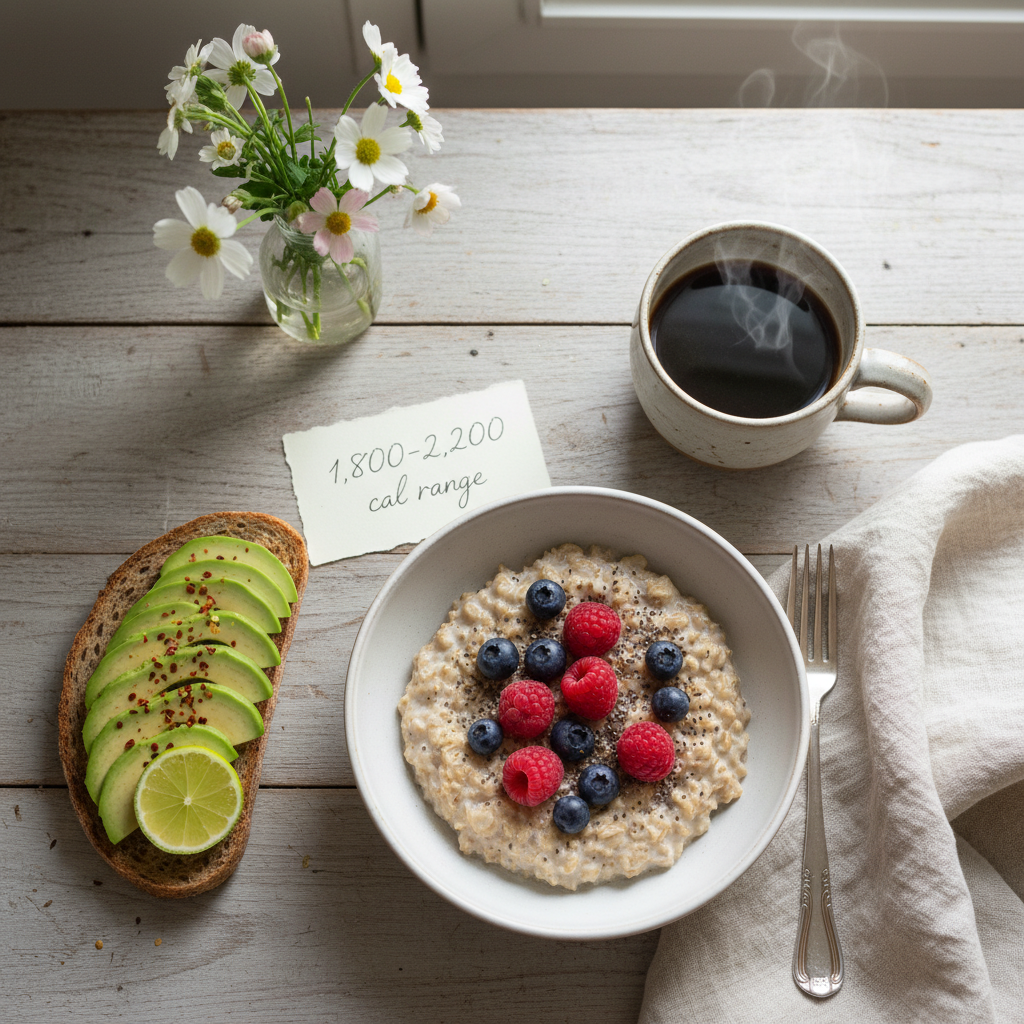
Rather than a single calorie number that feels like a ceiling, try setting a range:
- Target range: 1,800-2,200 calories
- Protein minimum: 100g (not a ceiling)
- No food restrictions: Just awareness
The Importance of "Good Enough" Tracking
Perfect tracking is impossible anyway—food labels can be off by up to 20%, restaurant portions vary, and your body's metabolism fluctuates daily. Chasing precision is chasing a mirage.
Instead, aim for consistency at a reasonable level of effort:
- Round to the nearest 50 calories
- Use "similar" foods when exact matches aren't available
- Estimate rather than skipping entries entirely
- Log most meals, not necessarily every snack
The KCALM Philosophy
We built KCALM around the word "calm" for a reason. You won't find red warning colors or judgmental messages in our app. Just neutral information about what you're eating, presented without emotional weight.
Our AI estimates aren't trying to catch you doing something wrong—they're trying to give you useful data with minimal effort. Adjust them or don't. Log everything or just dinners. Use the app daily or weekly.
Nutrition tracking should reduce cognitive load around food decisions, not increase it. When tracking feels heavy, it's time to reassess your approach.
Practical Steps Forward
Ready to try a healthier relationship with tracking? Here's how to start:
When to Seek Support
If you find that tracking consistently triggers anxiety, restricts your social life, or leads to disordered eating patterns, it's worth talking to a professional. A registered dietitian or therapist who specializes in eating behaviors can help you develop a healthier relationship with food—with or without tracking.
Note: This article is for educational purposes. If you're struggling with disordered eating, please consult a healthcare professional.
Ready to track smarter?
Join thousands who use KCALM for calorie tracking. AI-powered food recognition, scientifically-validated calculations, and zero anxiety.
Related Articles
The Psychology of Calorie Counting: Building a Healthy Mindset
Why does calorie counting feel stressful? Learn the psychology behind food tracking, cognitive biases that sabotage accuracy, and evidence-based mindset strategies for sustainable results.
LifestyleBuilding Sustainable Tracking Habits: From 30 Days to a Lifetime
Transform calorie tracking from a chore into a sustainable habit with proven strategies for long-term success.