Building Sustainable Tracking Habits: From 30 Days to a Lifetime
Transform calorie tracking from a chore into a sustainable habit with proven strategies for long-term success.

Sophie Carter
Certified Health Coach & Wellness Writer
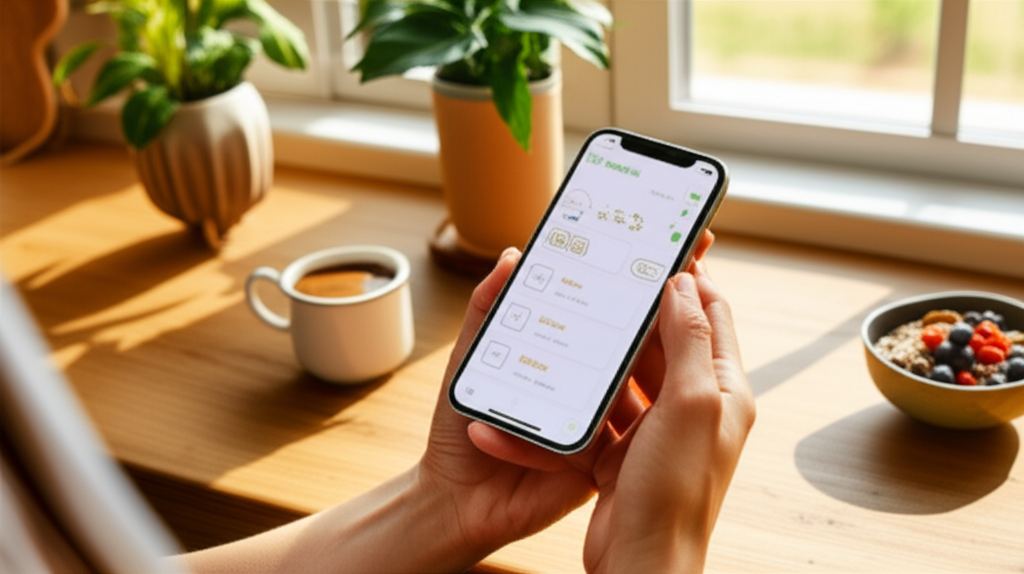
Most people who start calorie tracking quit within two weeks. The few who build lasting habits often do so not through willpower, but through smart systems and sustainable approaches. Here's how to make tracking stick.
Why Most People Quit Tracking After 2 Weeks
The initial motivation to track food usually comes from a specific trigger: an upcoming event, a number on the scale, or a New Year's resolution. But motivation fades, and when it does, tracking feels like a chore.
Common reasons people abandon tracking:
- Too time-consuming: Manual logging takes 15-20+ minutes daily
- Too complicated: Weighing everything, creating recipes, calculating
- Too restrictive: Red warning numbers create guilt and rebellion
- Too inconsistent: Missing a day becomes missing a week
- Unrealistic expectations: Not seeing immediate results
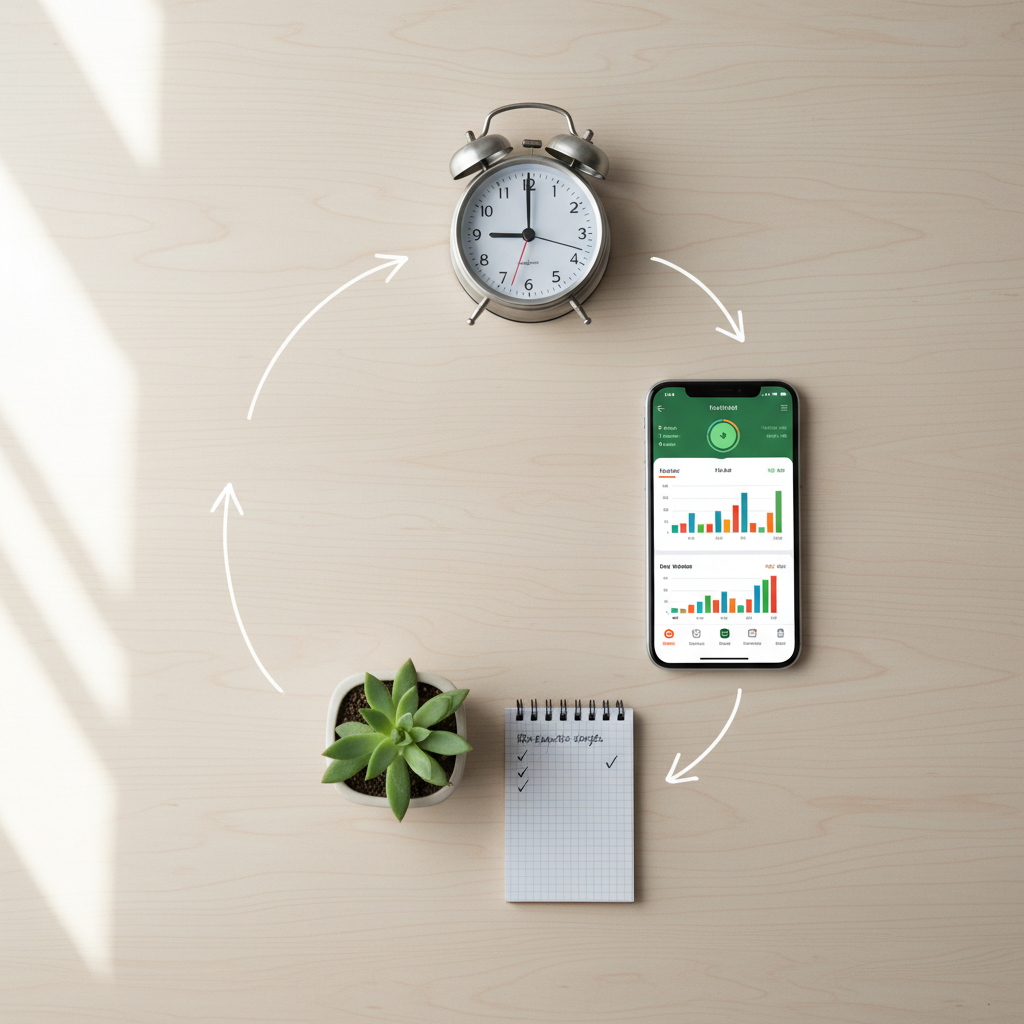
The Habit Loop: Cue, Routine, Reward
All habits follow a pattern, identified by researchers like Charles Duhigg and BJ Fogg:
For tracking to become automatic, you need to design all three elements intentionally.
Example Habit Loop for Calorie Tracking:
Cue: Sitting down to eat (or finishing a meal) Routine: Open app, photograph/log food, close app Reward: Seeing your progress, feeling in control, completing the action
The clearer and more consistent your cue, the more automatic the routine becomes.
Starting Small: Track One Meal First
The biggest mistake people make is trying to track everything perfectly from day one. This approach leads to burnout.
Instead, start with just one meal:
Week 1-2: Track breakfast only Week 3-4: Add lunch Week 5+: Include dinner and snacks
Each stage should feel manageable before adding more. If breakfast tracking isn't automatic yet, don't add lunch.
This gradual approach builds the habit muscle without overwhelming it.
Progress Over Perfection
Perfectionism is the enemy of consistency. A "good enough" tracking habit maintained for months beats perfect tracking abandoned after a week.
What "good enough" looks like:
- Logging 80% of meals
- Rounding to the nearest 50 calories
- Using similar foods when exact matches aren't available
- Not stressing about every single bite
- Getting back on track after missed entries
- Must log every single thing
- Must weigh everything
- Must use exact database matches
- One missed entry feels like failure
- Small mistakes lead to giving up entirely
When to Take Breaks from Tracking
Breaks aren't failure—they're part of a sustainable long-term approach.
Good times for breaks:
- Vacations and travel
- Major life transitions
- Periods of high stress
- When tracking starts feeling obsessive
- Holidays and special celebrations
- Set an end date before you start
- Maintain general awareness without logging
- Practice mindful eating
- Return on the planned date
Transitioning to Intuitive Eating
For many people, the goal of tracking isn't to track forever—it's to develop intuitive understanding of their eating patterns.
After consistent tracking, you might:
- Know approximately how many calories you're eating without logging
- Recognize what hunger and fullness feel like for you
- Understand which foods satisfy you and which don't
- Make informed choices without needing the app
- Track a few days per week as a check-in
- Re-engage tracking if weight changes unexpectedly
- Use tracking as a diagnostic tool, not a constant monitor
Using Tracking as a Tool, Not a Crutch
The healthiest relationship with tracking is using it strategically:
Track when:
- You're not sure why your weight is changing
- You're working toward a specific goal
- You want to learn about your eating patterns
- You're trying a new approach to eating
- It's causing significant anxiety
- You're on vacation or during celebrations
- Your intuitive eating is working well
- You need a mental break
The KCALM Philosophy
We built KCALM around the belief that tracking should be quick, judgment-free, and sustainable.
Guest mode lets you start without committing to an account—no registration barrier to building the habit.
AI photo logging takes seconds instead of minutes, reducing the friction that causes abandonment.
No red warning numbers means no guilt spiral when you eat more than planned.
Flexible tracking supports whatever approach works for you—daily, occasional, or just when you need data.
We'd rather you use the app imperfectly for years than perfectly for two weeks.
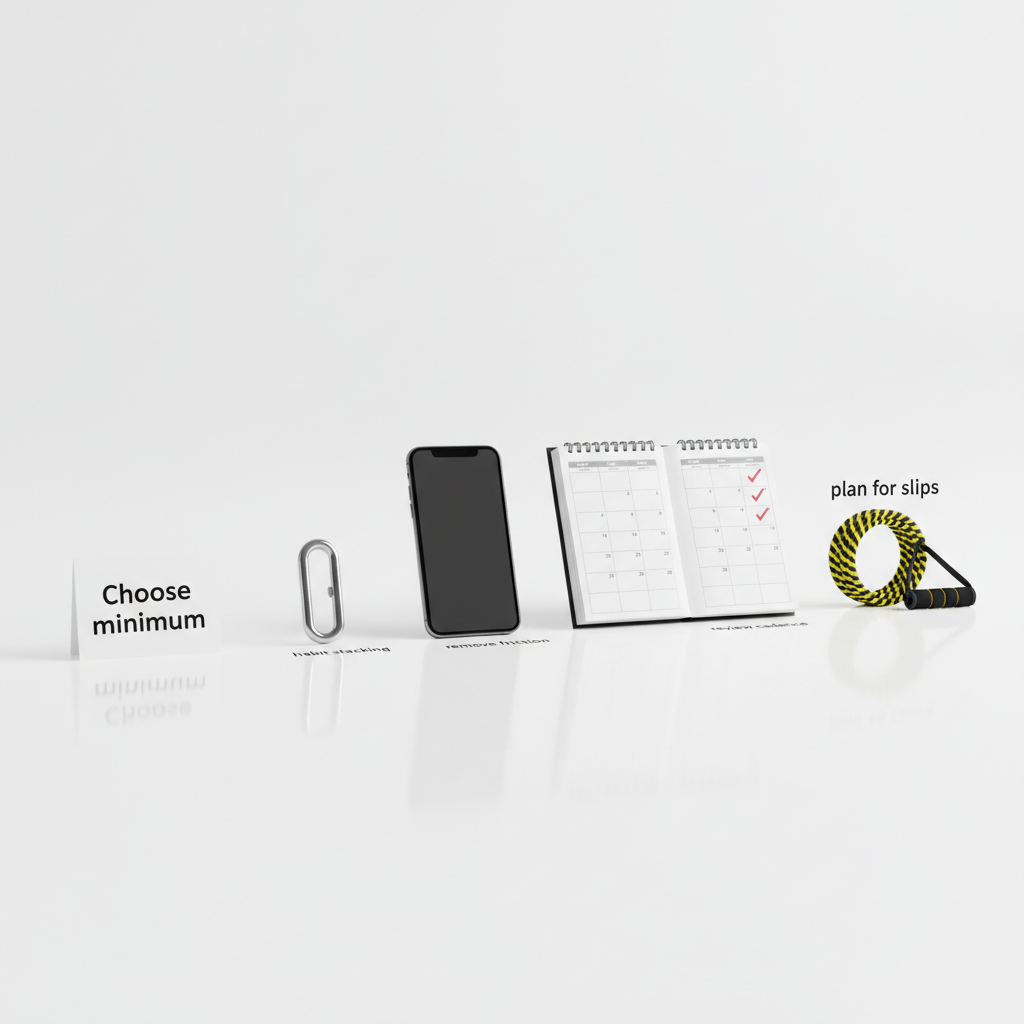
Building Your Tracking System
Here's a practical framework for sustainable tracking:
Step 1: Choose Your Minimum
What's the least amount of tracking you're willing to commit to?- Just dinners?
- Photos without adjustment?
- Three days per week?
Step 2: Attach to an Existing Habit
Link tracking to something you already do:- "After I sit down to eat, I take a photo"
- "Before I put my phone down after a meal, I log"
- "While my coffee brews, I log yesterday"
Step 3: Remove Friction
Make tracking as easy as possible:- Keep your app on your home screen
- Enable quick photo access
- Save frequently eaten meals
- Accept "good enough" entries
Step 4: Define Your Review Cadence
When will you look at your data?- Weekly summary review on Sundays
- Quick daily check of protein intake
- Monthly trend analysis
Step 5: Plan for Slips
They will happen. What's your plan?- "If I miss a day, I'll resume the next meal"
- "If I miss a week, I'll do a one-day reset"
- "I'll never punish myself for gaps"
30 Days to a Lifetime
The first 30 days are about building the basic habit. After that, you can customize:
Days 1-10: Just get entries in, don't worry about accuracy Days 11-20: Start improving accuracy and consistency Days 21-30: Refine your system based on what's working Days 31+: Maintain, adjust, and make it your own
By day 30, tracking should feel like brushing your teeth—something you just do without much thought.
The Bottom Line
Sustainable tracking habits aren't built through motivation or willpower. They're built through smart systems, gradual progression, and self-compassion.
Start smaller than you think you need to. Focus on consistency over accuracy. Take breaks when needed. And remember: the goal is awareness that serves your life, not tracking that dominates it.
Small habits, consistently maintained, lead to big changes over time.
Ready to track smarter?
Join thousands who use KCALM for calorie tracking. AI-powered food recognition, scientifically-validated calculations, and zero anxiety.
Related Articles
The Psychology of Calorie Counting: Building a Healthy Mindset
Why does calorie counting feel stressful? Learn the psychology behind food tracking, cognitive biases that sabotage accuracy, and evidence-based mindset strategies for sustainable results.
LifestyleCalorie Counting Without the Anxiety: A Healthier Approach to Nutrition Tracking
Learn how to track your nutrition without stress or obsession. Discover balanced approaches to calorie counting that support both physical and mental health.