Best Calorie Tracking Apps in 2026: An Honest Comparison
Which calorie tracking app is best in 2026? We compare MyFitnessPal, Cronometer, Lose It!, MacroFactor, Noom, and AI-powered options on accuracy, features, pricing, and ease of use.

Sophie Carter
Certified Health Coach & Wellness Writer
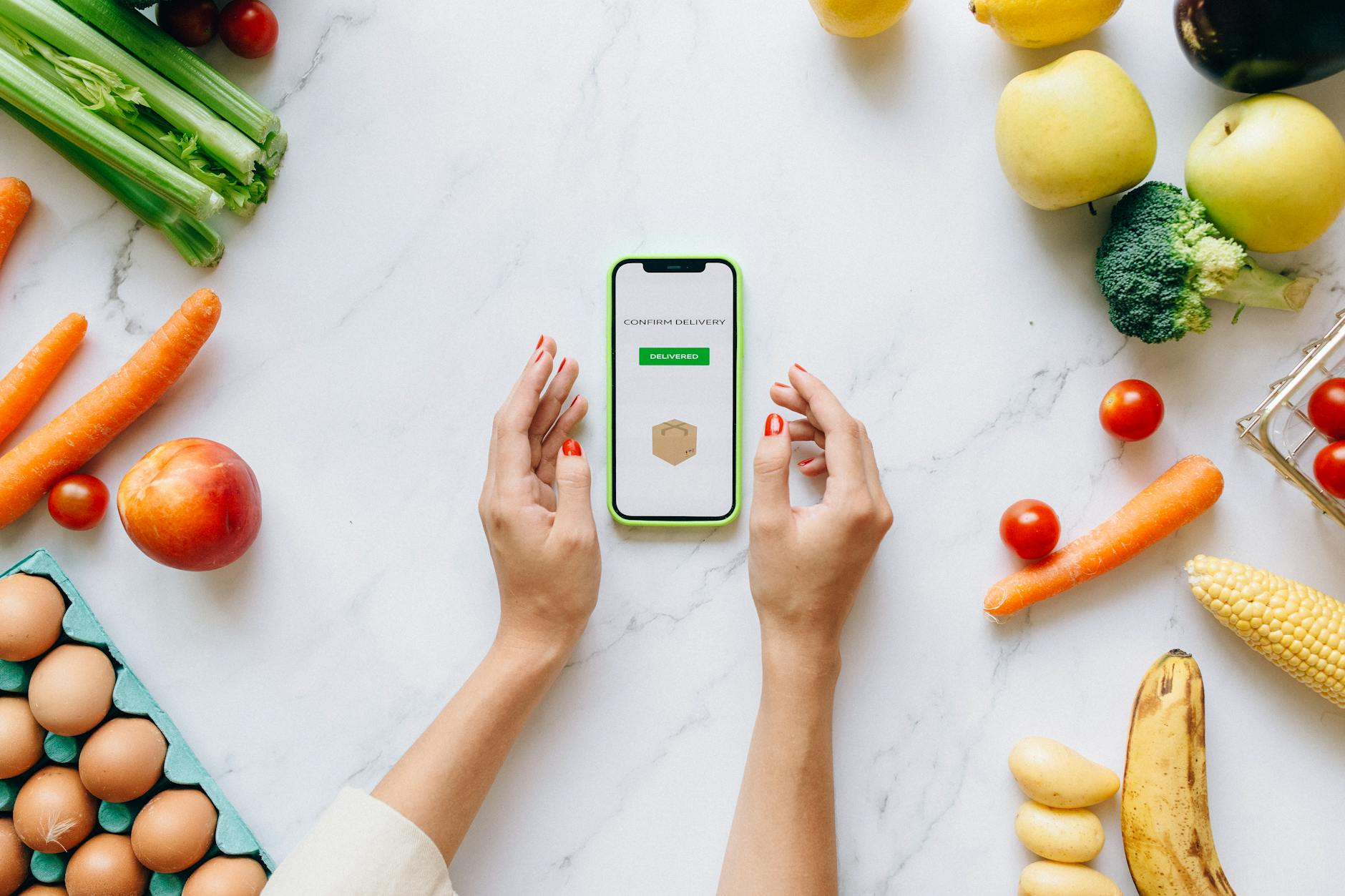
The best calorie tracking app in 2026 depends on your goals: MyFitnessPal has the largest food database (20 million+ items), Cronometer tracks 84 micronutrients, MacroFactor uses adaptive algorithms, and AI-powered options like KCALM let you track via photo on WhatsApp or Telegram. According to Business Research Insights, the calorie counter app market reached $4.14 billion in 2026, growing at 9.27% annually — meaning more options exist than ever.
Choosing the right calorie tracking app can make the difference between sticking with your nutrition goals and abandoning them within weeks. A 2024 study in the Journal of Medical Internet Research found that users of AI-assisted tracking apps maintained behavior changes for 6-12 months at a rate of 64%, compared to just 23% with traditional manual tracking. This guide compares the seven most popular calorie tracking apps across accuracy, features, pricing, and real-world usability so you can find the one that fits your life.
What Are the Best Calorie Tracking Apps in 2026?
The calorie tracking landscape has shifted dramatically in recent years. AI-powered photo recognition, adaptive algorithms, and messaging-app integrations have replaced the tedious manual logging that dominated earlier apps. Here are the top seven options, ranked by their primary strengths.
| App | Best For | Database Size | AI Features | Free Tier | Premium Price |
| MyFitnessPal | Largest community & database | 20M+ foods | Photo scan, voice log | Yes (basic) | $79.99/yr |
| Cronometer | Micronutrient tracking | 1.1M+ verified | Photo logging | Yes | $59.88/yr |
| Lose It! | Affordable premium | 63M+ foods | Photo & voice logging | Yes | $39.99/yr |
| MacroFactor | Athletes & advanced users | Large verified | Adaptive algorithm | No | $71.99/yr |
| Noom | Behavior change & coaching | 1M+ foods | Face scan, AI coaching | Limited | ~$209/yr |
| FatSecret | Best free option | Very large | Photo recognition | Yes (full) | <$84/yr |
| KCALM | Messaging app tracking | AI-analyzed | Photo via WhatsApp/Telegram | Yes | Subscription |
How Does MyFitnessPal Compare to Other Calorie Trackers?
MyFitnessPal remains the most widely used calorie tracking app with over 280 million registered users across 120+ countries. Its primary advantage is its crowd-sourced food database containing more than 20 million items — the largest in the industry. A University of Sydney study found MyFitnessPal's AI food scanner achieved 97% accuracy for identifying foods from photos.
However, database size comes with a tradeoff. Because MyFitnessPal relies on user-submitted entries, the same food can appear with wildly different calorie values. One banana might show 80 calories in one entry and 120 in another. This inconsistency means users need to verify entries against known sources — a step that adds friction to what should be a quick process.
What Does MyFitnessPal Premium Include?
MyFitnessPal offers three tiers: Free (basic logging), Premium ($79.99/year), and Premium+ ($99.99/year). Premium unlocks the AI Meal Scan feature for photo-based logging, barcode scanning, and voice logging. Premium+ adds personalized weekly meal plans curated by registered dietitians. The free tier is increasingly limited, pushing most active users toward a paid subscription.
Best for: Users who want the largest food database and an established community. If you frequently eat packaged foods with barcodes, MyFitnessPal's scanner is hard to beat. Learn more about how AI-powered tracking compares to manual logging.
Is Cronometer the Most Accurate Nutrition Tracker?
Cronometer takes a quality-over-quantity approach to its food database. While it contains 1.1 million foods (compared to MyFitnessPal's 20 million), every entry is verified against lab-analyzed data from sources like the USDA nutrient database. This means when you log "1 medium banana" in Cronometer, you get one reliable result — not a dozen crowd-sourced guesses.
The standout feature is micronutrient tracking. Cronometer tracks 84 individual nutrients, including vitamins, minerals, amino acids, and fatty acids. Most competing apps track only 5-15 nutrients. For users monitoring specific nutritional needs — iron, calcium, folate, vitamin D — Cronometer provides unmatched visibility.
Who Should Choose Cronometer Over MyFitnessPal?
Cronometer is ideal for users who prioritize accuracy over convenience. Its verified database eliminates the guesswork of crowd-sourced entries, and its micronutrient tracking helps identify gaps that calorie-only apps miss entirely. At $4.99/month for Gold, it is also more affordable than MyFitnessPal Premium.
The tradeoff is a smaller database. If you regularly eat at chain restaurants or buy niche packaged foods, you may need to create custom entries more often. For users focused on whole foods and home cooking, this is rarely an issue.
Best for: Users tracking specific micronutrients, managing dietary restrictions, or prioritizing data accuracy. If you want to understand whether your diet provides adequate protein, carbs, and fat, Cronometer gives the most complete picture.
What Makes MacroFactor Different From Other Tracking Apps?
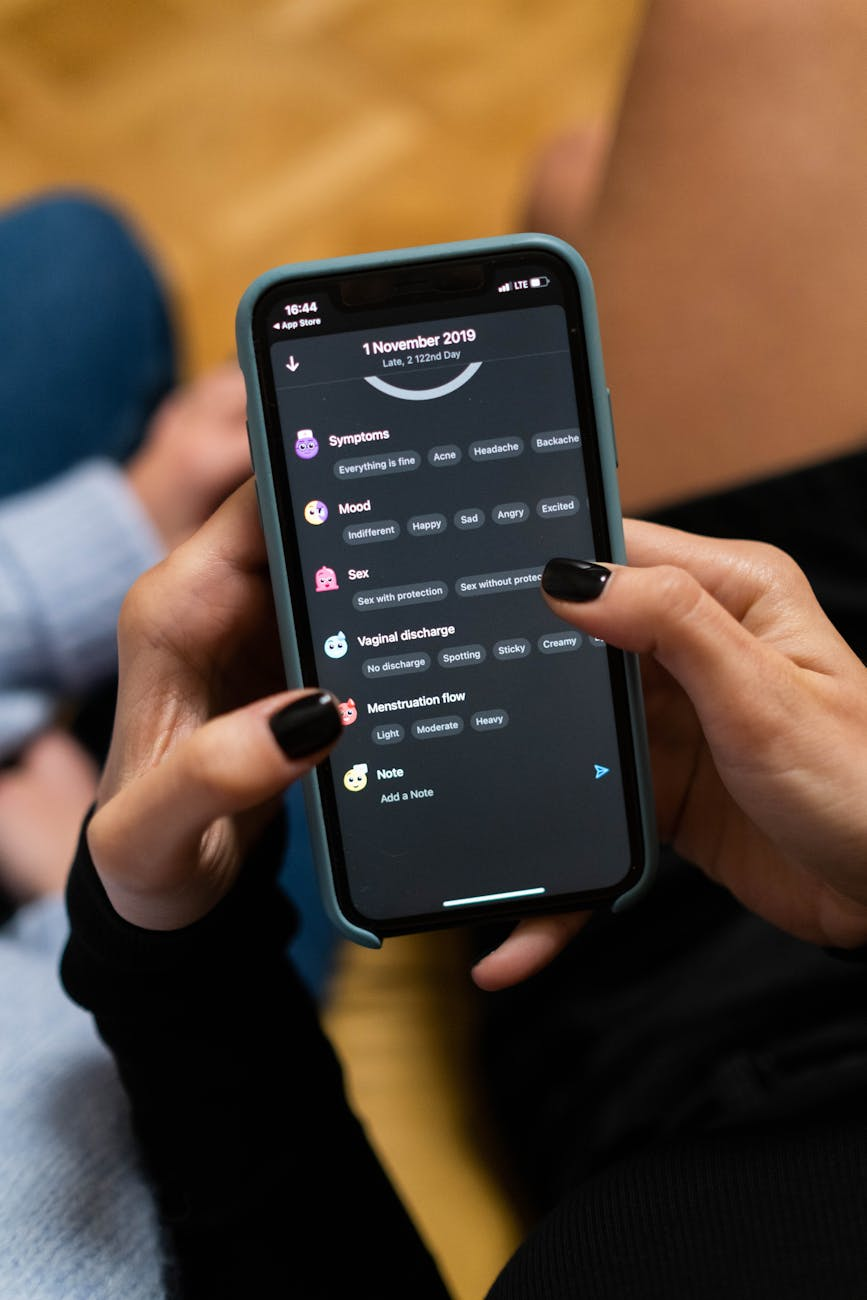
MacroFactor, created by researchers Greg Nuckols and Eric Trexler, Ph.D., takes a fundamentally different approach to calorie tracking. Instead of relying on static formulas like the Mifflin-St Jeor equation, MacroFactor uses an adaptive algorithm that learns your actual metabolic rate from your weight trends over time.
After 2-3 weeks of consistent logging, the algorithm calculates your true energy expenditure based on what you eat and how your weight responds. It then adjusts your calorie and macro targets weekly. This means your targets reflect your real metabolism, not a generic formula that could be off by 300+ calories per day.
Is MacroFactor Worth the Price for Serious Athletes?
At $71.99/year with no free tier, MacroFactor is a premium-only product. It also launched a companion Workouts app in January 2026 and Apple Watch support in September 2025. The food logger is optimized for speed — independent reviews consistently rate it the fastest logging experience available.
The lack of a free tier means casual trackers will likely look elsewhere. But for athletes, bodybuilders, and anyone pursuing body recomposition, the adaptive algorithm removes the guesswork that makes static TDEE calculators unreliable over time.
Best for: Serious athletes, lifters, and data-driven users who want automatically adjusted targets. If you have specific body composition goals like building muscle in a surplus or cutting fat in a deficit, MacroFactor's algorithm adapts to your real-world results.
How Does Noom's Psychology-Based Approach Work?
Noom takes a fundamentally different approach by focusing on behavioral psychology rather than food databases. Grounded in Cognitive Behavioral Therapy (CBT), Noom delivers daily lessons about why you eat — not just what you eat. The app has over 1.5 million paid subscribers and reports that users lose an average of 15.5 lbs in 16 weeks.
A 2024 study published in Obesity found that Noom users were twice as likely to achieve clinically meaningful weight loss compared to self-directed dieters. The program combines calorie tracking with coaching, community support, and psychology-based content to build sustainable habits rather than temporary diet compliance.
Is Noom Worth the Higher Price?
Noom is the most expensive option on this list, starting at approximately $17.42/month on a 12-month plan (~$209/year). The premium price reflects the coaching component, daily curriculum, and community features. Noom also launched GLP-1 medication programs in 2024, reaching $100 million in revenue run-rate within four months.
In September 2025, Noom introduced a free tier with "microhabits" programming, making basic behavioral tools accessible without a subscription. However, the full coaching experience, meal plans, and psychology curriculum remain behind the paywall.
Best for: Users who have struggled with traditional calorie counting and want a psychology-first approach. If building sustainable tracking habits has been your biggest challenge, Noom addresses the behavioral side that pure calorie trackers ignore.
Which Free Calorie Tracking Apps Are Actually Good?
Not every effective tracker requires a subscription. Several apps offer robust free tiers that cover core tracking needs without ads or feature restrictions.
What Does Lose It! Offer for Free?
Lose It! provides a personalized calorie budget, access to 63 million+ food items, basic macro tracking, and weight logging — all free. Its premium tier ($39.99/year) adds the Snap It photo logging feature, AI voice logging, and barcode scanning. At roughly half the price of MyFitnessPal Premium, Lose It! Premium is the most affordable full-featured option.
With over 40 million users, Lose It! also offers community challenges and support features that help with accountability. The interface is clean and beginner-friendly, making it a strong starting point for users new to calorie tracking.
What Makes FatSecret the Best Free Tracker?
FatSecret stands out by offering its core features completely free — including a barcode scanner, photo food recognition, calorie and macro tracking, and community access. Most competitors lock at least one of these features behind a paywall. FatSecret's premium tier (under $7/month) adds dietitian-designed meal plans and advanced tracking options, but most users will find the free version sufficient.
The trade-off is a less polished interface compared to MyFitnessPal or Lose It!, and FatSecret's community is smaller. But for budget-conscious users who want functional tracking without a subscription, it is the strongest option available.
How Are AI and Messaging Apps Changing Calorie Tracking?
The newest category of calorie trackers eliminates standalone apps entirely. Services like KCALM let you track calories by sending a food photo or text message to an AI bot on WhatsApp or Telegram. No download, no new interface to learn — just message your food like you would text a friend.
This approach addresses the number-one reason people quit calorie tracking: friction. A 2023 study in Nutrients found that 70% of users abandon tracking apps within two weeks if the process feels too complex or time-consuming. Messaging-based tracking removes the barrier of opening a separate app, navigating menus, and searching databases. You snap a photo, send it, and get your calories back in seconds.
How Accurate Is AI Photo-Based Calorie Tracking?
AI food recognition accuracy has improved significantly. A 2025 University of Sydney study evaluating 18 AI-powered food apps found top performers achieving 92-97% accuracy for identifying foods from photos. However, accuracy varies by meal type: restaurant meals and simple dishes perform best, while homemade multi-ingredient recipes average closer to 50% accuracy.
The key advantage of AI tracking is consistency. Manual self-reporting typically underestimates calorie intake by 30% or more, according to research published in the New England Journal of Medicine. Even imperfect AI estimates may be more accurate than the average person's manual logs.
| Tracking Method | Avg. Accuracy | Time Per Meal | Adherence at 6 Months |
| Manual database search | Varies by database | 3-5 minutes | ~23% |
| Barcode scanning + scale | Highest (verified data) | 1-2 minutes | ~35% |
| AI photo recognition | 75-97% | 10-30 seconds | ~64% |
| Messaging app (WhatsApp/Telegram) | 75-97% | 5-15 seconds | Higher (fewer barriers) |
What Should You Look For When Choosing a Calorie Tracking App?
The best calorie tracking app is the one you will actually use consistently. Research consistently shows that tracking adherence matters more than tracking precision. Here are the factors that matter most.
Does Database Accuracy Matter More Than Size?
Yes. A database with 20 million inaccurate entries is less useful than one with 1 million verified entries. Cronometer's lab-verified approach means fewer errors per log, while MyFitnessPal's crowd-sourced model means you must cross-check entries. For whole foods and home cooking, accuracy beats size. For packaged foods and restaurant chains, size wins because the specific product is more likely to exist in the database.
How Important Is Micronutrient Tracking?
If you are tracking calories solely for weight management, basic macro tracking (protein, carbs, fat) is sufficient. But if you follow a restrictive diet — plant-based, keto, or allergen-free — micronutrient tracking can reveal critical gaps. A 2022 study in the American Journal of Clinical Nutrition found that 42% of adults on calorie-restricted diets were deficient in at least one essential micronutrient.
Should You Pay for a Premium Calorie Tracker?
Frequently Asked Questions
What is the most accurate calorie tracking app in 2026?
Cronometer is the most accurate for nutritional data, tracking 84 nutrients from lab-verified sources. For AI photo recognition accuracy, a University of Sydney study found MyFitnessPal's scanner achieved 97% accuracy. The most accurate overall method remains barcode scanning combined with a food scale, regardless of which app you use.
Is MyFitnessPal still the best calorie counter app?
MyFitnessPal remains the most popular calorie tracker with 280 million+ users and the largest food database (20 million items). However, its crowd-sourced database contains inconsistent entries, and full features now require Premium ($79.99/year). Alternatives like Lose It!, Cronometer, and AI-powered trackers may better suit specific needs and budgets.
Can you track calories on WhatsApp or Telegram?
Yes. Apps like KCALM let you send food photos or text descriptions to an AI bot on WhatsApp or Telegram, which analyzes the image and returns calorie and macro estimates. This approach eliminates the need to download and navigate a standalone app, reducing tracking friction significantly.
How much does a calorie tracking app cost?
Calorie tracking apps range from free (FatSecret, Lose It! basic, MyFitnessPal basic) to $209/year (Noom Weight). Mid-range options include Lose It! Premium at $39.99/year, Cronometer Gold at $59.88/year, MacroFactor at $71.99/year, and MyFitnessPal Premium at $79.99/year. The best value depends on which features you actually need.
Which calorie tracking app has the best AI features?
MyFitnessPal and Lose It! both offer AI photo recognition and voice logging. MacroFactor uses AI for adaptive calorie targets based on your weight trends. Noom uses AI for behavioral coaching. Messaging-based trackers like KCALM use AI for conversational food logging via WhatsApp and Telegram, offering the lowest friction experience.
Do calorie tracking apps actually help with weight loss?
Yes. A 2024 study in the Journal of Medical Internet Research found that AI-assisted tracking users maintained dietary changes for 6-12 months at a 64% rate, compared to 23% for manual tracking. Consistent tracking — even imperfect — correlates with better outcomes. The key is choosing an app you will use consistently, not the one with the most features.
What is the best free calorie counting app?
FatSecret offers the most complete free experience with calorie tracking, macro tracking, barcode scanning, photo recognition, and community features — all without a paywall. Lose It! and MyFitnessPal also offer usable free tiers, though key features like photo logging and barcode scanning are locked behind premium subscriptions.
Is Noom worth the money compared to free calorie trackers?
Noom costs significantly more ($209/year) than pure calorie trackers because it includes daily psychology lessons, coaching, and community support. Clinical studies show Noom users are twice as likely to achieve meaningful weight loss versus self-directed dieting. If behavioral change — not just calorie data — is what you need, Noom's approach offers a distinct advantage.
How accurate is AI food photo logging?
AI food photo accuracy ranges from 75% to 97% depending on the app, food complexity, and photo quality. Simple single-dish meals and restaurant food score highest, while complex homemade recipes average around 50%. Despite this variability, AI estimates are often more consistent than manual self-reporting, which typically underestimates intake by 30% or more.
Can I switch calorie tracking apps without losing my data?
Most calorie tracking apps do not offer direct data migration between platforms. Some apps allow CSV export of your food logs, which can be manually imported elsewhere. When switching, plan for a 1-2 week transition period to rebuild your frequently-used foods list. Your historical trends and streaks will typically not transfer.
Sources
Ready to track smarter?
Join thousands who use KCALM for calorie tracking. AI-powered food recognition, scientifically-validated calculations, and zero anxiety.
Related Articles
How to Track Calories on Telegram with an AI Bot
Track calories directly in Telegram using KCALM's AI bot Kai. Send food photos or text, log exercise, view weekly summaries, and manage macros without leaving the app.
GuidesHow to Track Calories on WhatsApp with an AI Bot
Track calories on WhatsApp using KCALM's AI bot Kai. Send food photos, voice notes, or text messages to log meals, track exercise, and view weekly summaries — no app download required.
GuidesEvidence-Based Guide to Healthy Weight Management
Science-backed strategies for sustainable weight loss: calorie deficits, metabolic adaptation, macronutrient optimization, exercise, sleep, and GLP-1 medications.