Anti-Inflammatory Foods: What to Eat to Reduce Inflammation
Which foods reduce inflammation? Learn the top anti-inflammatory foods, what to avoid, an anti-inflammatory meal plan, and the science behind chronic inflammation.

Dr. Maya Patel
Registered Dietitian, M.S. Nutrition Science
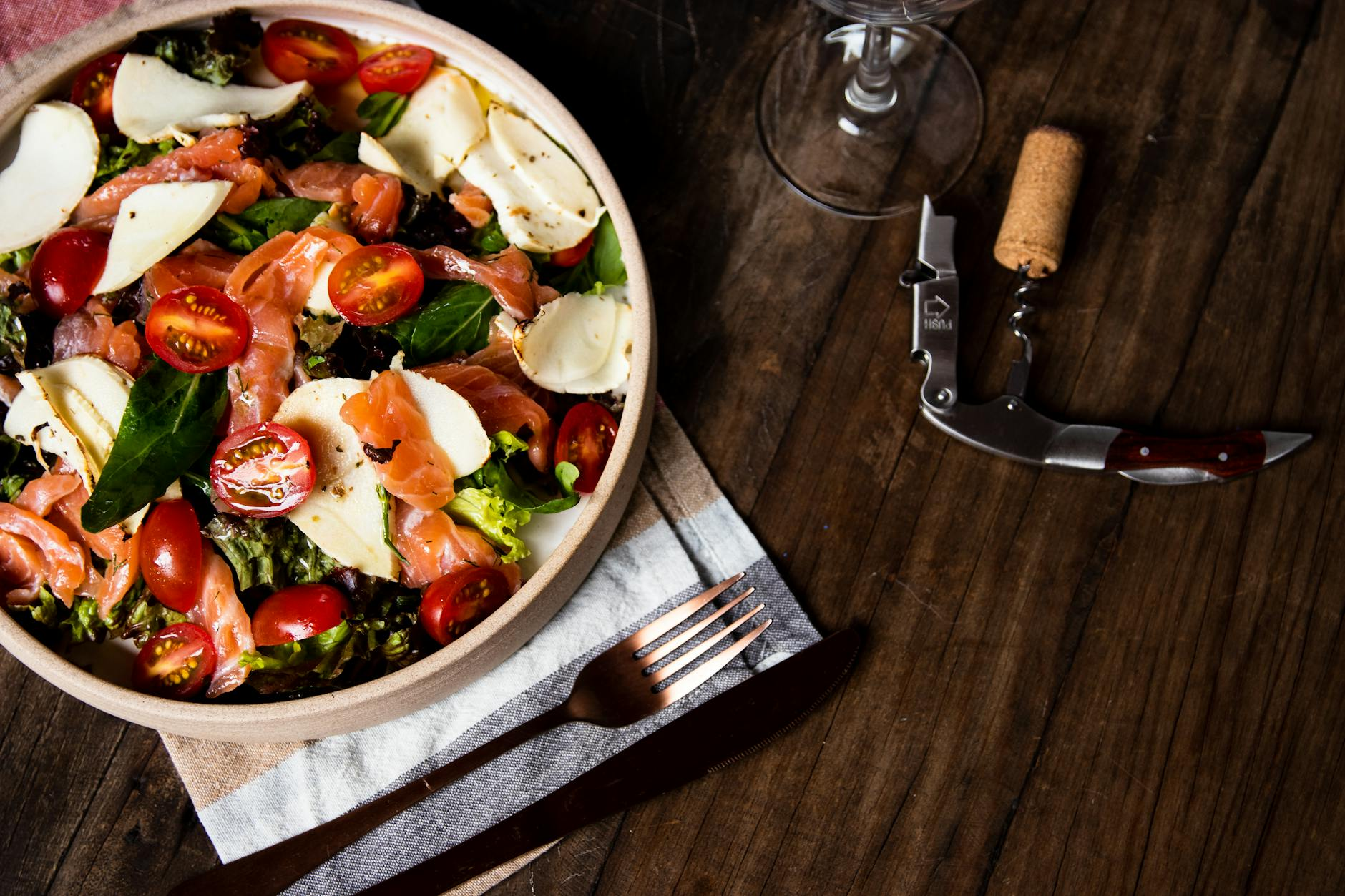
The most effective anti-inflammatory foods include fatty fish (salmon, sardines, mackerel), berries, leafy greens, nuts, olive oil, and turmeric. A 2022 meta-analysis in the Journal of the American College of Cardiology found that people following an anti-inflammatory diet had a 20% lower risk of cardiovascular disease and a 13% lower risk of all-cause mortality compared to those eating a pro-inflammatory diet.
Chronic inflammation is increasingly recognized as the common thread linking heart disease, type 2 diabetes, obesity, and even depression. Unlike acute inflammation — your body's healthy response to injury — chronic low-grade inflammation simmers quietly for months or years, driven largely by what you eat. The good news: dietary changes can measurably reduce inflammatory markers within weeks. This guide covers the foods that fight inflammation, the ones that promote it, and how to build an anti-inflammatory eating pattern you can actually maintain.
What Is Chronic Inflammation and Why Does It Matter?
Chronic inflammation is a persistent, low-level immune response that damages healthy tissues over time. Unlike the redness and swelling of a cut finger (acute inflammation), chronic inflammation produces no obvious symptoms but silently accelerates disease progression.
According to a 2019 review in Nature Medicine, chronic inflammatory diseases are the most significant cause of death worldwide, contributing to more than 50% of all deaths. Key biomarkers include C-reactive protein (CRP), interleukin-6 (IL-6), and tumor necrosis factor-alpha (TNF-α). These markers respond measurably to dietary interventions — sometimes within 2-4 weeks.
| Inflammation Type | Duration | Symptoms | Examples |
| Acute | Hours to days | Redness, swelling, pain | Cuts, sprains, infections |
| Chronic | Months to years | Often silent | Heart disease, diabetes, obesity |
| Dietary-driven | Ongoing | Fatigue, joint stiffness | Ultra-processed food diets |
Which Foods Have the Strongest Anti-Inflammatory Effects?
The strongest anti-inflammatory foods share common features: they're rich in omega-3 fatty acids, polyphenols, fiber, or antioxidants. Research consistently identifies six food categories with the most robust evidence.
What Makes Fatty Fish So Anti-Inflammatory?
Fatty fish like salmon, mackerel, sardines, and anchovies provide EPA and DHA — two omega-3 fatty acids that directly reduce production of inflammatory molecules called prostaglandins and leukotrienes. A 2020 systematic review in Atherosclerosis found that consuming 2-3 servings of fatty fish per week reduced CRP levels by 33% and IL-6 by 12% compared to non-fish eaters.
The recommended intake is 250-500 mg of combined EPA and DHA daily, which equals roughly two 100-gram servings of fatty fish per week.
Why Are Berries and Dark-Colored Fruits So Effective?
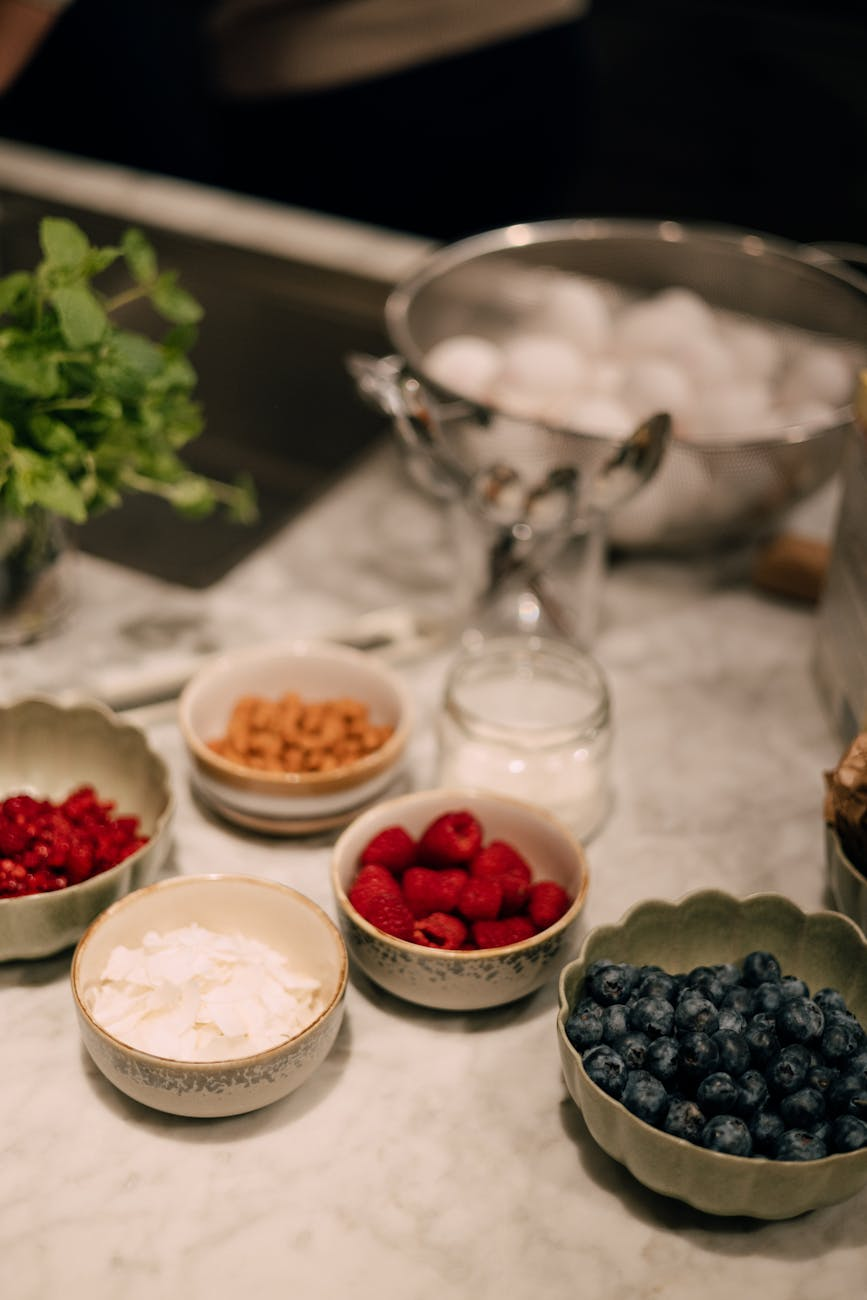
Berries contain anthocyanins — powerful antioxidants responsible for their deep red, blue, and purple colors. Blueberries, strawberries, raspberries, and blackberries all rank among the highest-antioxidant foods measured by ORAC (Oxygen Radical Absorbance Capacity) scores.
A 2019 study in Advances in Nutrition showed that daily berry consumption (equivalent to 1 cup) reduced CRP by 25% and TNF-α by 18% over 4-8 weeks. Cherries and pomegranates show similar effects thanks to their polyphenol content.
What Other Anti-Inflammatory Foods Should You Include Daily?
Beyond fish and berries, several food groups show consistent anti-inflammatory effects in clinical research:
| Food | Key Compound | Anti-Inflammatory Mechanism |
| Extra virgin olive oil | Oleocanthal | Inhibits COX enzymes (similar to ibuprofen) |
| Leafy greens (spinach, kale) | Vitamin K, folate | Reduces CRP and homocysteine |
| Turmeric | Curcumin | Blocks NF-κB inflammatory pathway |
| Walnuts and almonds | ALA omega-3, vitamin E | Reduces IL-6 and CRP |
| Green tea | EGCG catechins | Suppresses TNF-α production |
| Tomatoes | Lycopene | Reduces IL-6 by up to 31% |
Which Foods Promote Inflammation and Should Be Limited?
Just as certain foods reduce inflammation, others actively promote it. The most pro-inflammatory dietary patterns share a common theme: highly processed, high in added sugars, and rich in refined carbohydrates.
Understanding these connections between diet and inflammation can help you make smarter choices when planning meals for better nutrition.
How Does the Anti-Inflammatory Diet Compare to Other Eating Patterns?
The anti-inflammatory diet isn't a single rigid plan — it overlaps significantly with several well-studied dietary patterns. The Mediterranean diet, in particular, is considered the gold standard for anti-inflammatory eating.
A landmark 2018 study in The New England Journal of Medicine (the PREDIMED trial, n=7,447) found that participants following a Mediterranean diet supplemented with extra-virgin olive oil had 30% fewer major cardiovascular events and significantly lower CRP levels than the control group.
| Diet Pattern | Anti-Inflammatory Score | Key Overlap |
| Mediterranean | Very high | Olive oil, fish, vegetables, whole grains |
| DASH | High | Fruits, vegetables, low sodium |
| Plant-based | High | High fiber, polyphenols |
| Nordic | High | Fatty fish, berries, whole grains |
| Standard Western | Very low | High in pro-inflammatory foods |
What Does a Day of Anti-Inflammatory Eating Look Like?
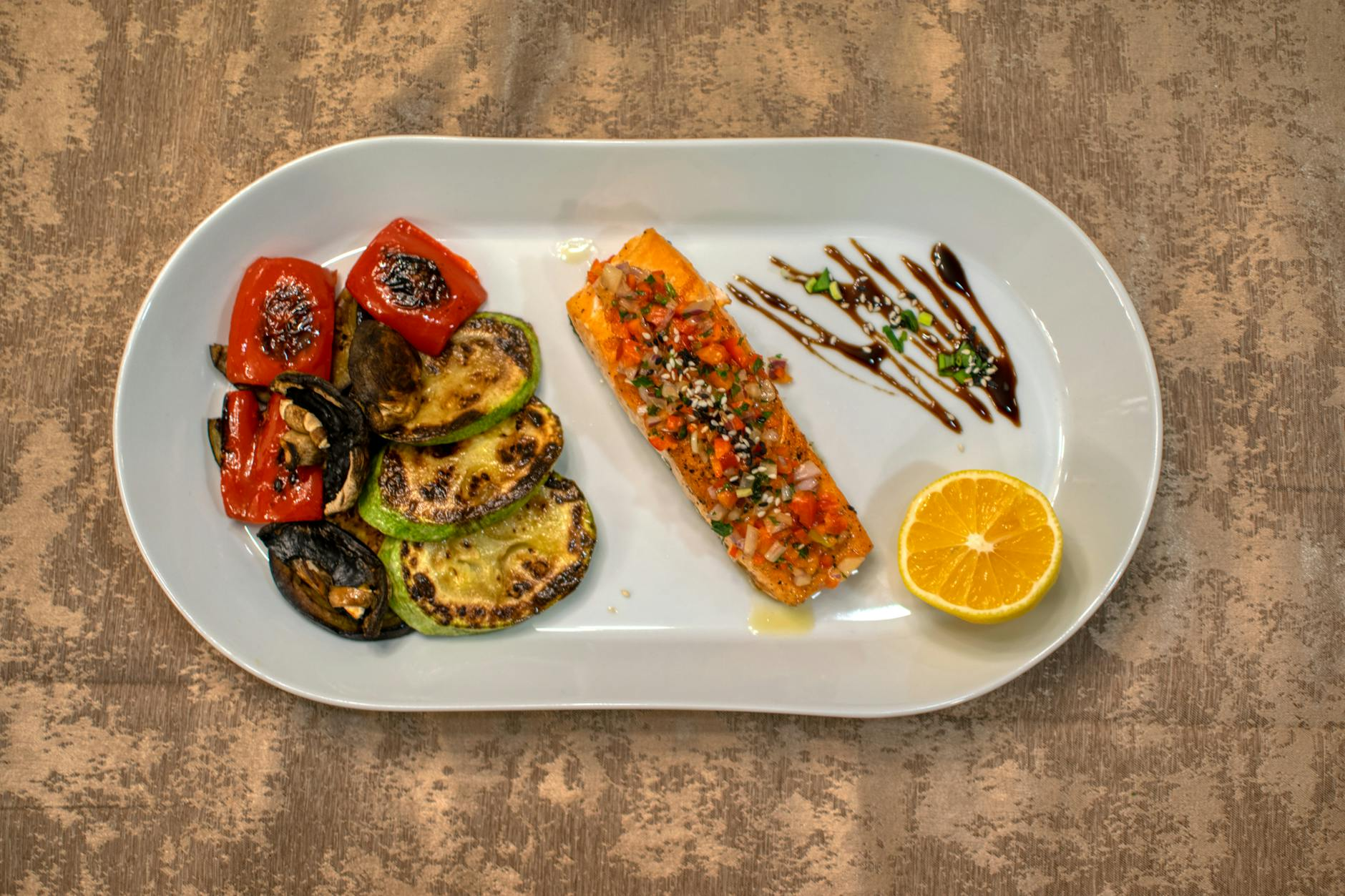
Building an anti-inflammatory eating pattern doesn't require exotic ingredients or complex recipes. Here's a practical sample day that incorporates the key anti-inflammatory principles:
Breakfast: Greek yogurt with 1 cup blueberries, 2 tablespoons walnuts, and a drizzle of honey. Green tea.
Snack: Apple slices with 1 tablespoon almond butter.
Lunch: Mixed greens salad with grilled salmon, cherry tomatoes, avocado, and extra-virgin olive oil dressing. Whole grain bread on the side.
Snack: A quarter cup mixed nuts (walnuts, almonds) with dark chocolate (85%+).
Dinner: Turmeric-spiced chicken with roasted sweet potatoes, steamed broccoli, and brown rice. Extra-virgin olive oil for cooking.
This sample day provides approximately 1,800-2,000 calories with a strong anti-inflammatory profile: 90+ grams of protein, 30+ grams of fiber, 1,500+ mg of omega-3 fatty acids, and high levels of polyphenols from berries, greens, and olive oil. For more guidance on optimizing your nutrition around specific fitness goals, check our detailed macro breakdown guide.
How Quickly Can an Anti-Inflammatory Diet Reduce Inflammation?
Dietary changes can reduce measurable inflammatory markers faster than most people expect. A 2021 randomized controlled trial in Gut found that switching to a Mediterranean-style diet reduced intestinal inflammation markers within just 4 weeks. CRP levels typically begin declining within 2-6 weeks of consistent dietary changes.
However, the timeline depends on your starting point:
Research also shows that sleep and stress management amplify the anti-inflammatory effects of dietary changes. Chronic stress raises cortisol, which promotes inflammation regardless of diet quality. Pairing dietary improvements with better sleep hygiene creates a compounding anti-inflammatory effect.
Frequently Asked Questions
What is the single best anti-inflammatory food?
No single food is a magic bullet, but extra-virgin olive oil has the strongest and most consistent evidence. Its active compound oleocanthal acts similarly to ibuprofen, inhibiting COX-1 and COX-2 enzymes. The PREDIMED trial showed that 4+ tablespoons daily significantly reduced cardiovascular events and inflammatory markers in over 7,000 participants.
Can anti-inflammatory foods replace medication?
Anti-inflammatory foods are not a substitute for prescribed medications. They complement medical treatment by addressing underlying dietary drivers of inflammation. If you have a diagnosed inflammatory condition such as rheumatoid arthritis or IBD, work with your healthcare provider to determine how dietary changes fit into your overall treatment plan.
Is turmeric actually effective for inflammation?
Curcumin, the active compound in turmeric, has strong anti-inflammatory properties in laboratory studies. However, curcumin has poor bioavailability — your body absorbs very little of it. Pairing turmeric with black pepper (piperine) increases absorption by up to 2,000%. A 2021 meta-analysis in Phytotherapy Research found that curcumin supplements at 500-1,000 mg per day significantly reduced CRP in clinical trials.
How much omega-3 do you need daily for anti-inflammatory benefits?
The minimum effective dose for anti-inflammatory benefits is 250-500 mg of combined EPA and DHA daily, according to the European Food Safety Authority. This equals approximately two servings of fatty fish per week. For people with existing inflammatory conditions, higher doses of 1,000-2,000 mg daily may be beneficial, but consult your doctor before supplementing.
Does sugar really cause inflammation?
Yes. A 2018 study in the American Journal of Clinical Nutrition found that consuming 40 grams of added sugar from a single soda increased inflammatory markers including CRP, IL-6, and LPS-binding protein within hours. The effect is dose-dependent — the more added sugar you consume regularly, the higher your baseline inflammation levels become.
Are nightshade vegetables inflammatory?
Despite popular claims, there is no peer-reviewed evidence that nightshade vegetables (tomatoes, peppers, eggplant, potatoes) cause inflammation in healthy individuals. In fact, tomatoes are rich in lycopene, which reduces IL-6 levels by up to 31%. Some people with autoimmune conditions report sensitivity to nightshades, but this is anecdotal and not supported by controlled studies.
Can you track anti-inflammatory foods in a calorie tracking app?
Yes. While most calorie tracking apps don't have a specific inflammation score, tracking your food intake helps you monitor key anti-inflammatory nutrients: omega-3 intake, fiber, and added sugar consumption. AI-powered trackers like KCALM make this easier by analyzing food photos and providing detailed macro and micronutrient breakdowns automatically.
What is the difference between anti-inflammatory and antioxidant?
Anti-inflammatory and antioxidant are related but distinct concepts. Antioxidants neutralize free radicals — unstable molecules that damage cells — while anti-inflammatory compounds specifically reduce immune system overactivation. Many foods provide both benefits: berries contain antioxidant anthocyanins that also have anti-inflammatory effects. The two mechanisms work together to reduce chronic disease risk.
Sources
Ready to track smarter?
Join thousands who use KCALM for calorie tracking. AI-powered food recognition, scientifically-validated calculations, and zero anxiety.
Related Articles
Prebiotics vs. Probiotics: A Beginner's Guide to Gut Health
What is the difference between prebiotics and probiotics? Learn which foods and supplements support gut health, how to choose the right strains, and what the science says.
NutritionNutrition for Fitness Goals: Fuel Muscle, Endurance & Fat Loss
How should you eat for your fitness goal? Learn evidence-based calorie, protein, carb, and fat targets for muscle building, endurance training, fat loss, and body recomposition.
NutritionPlant-Based Nutrition: How to Get Every Nutrient You Need
Can you get all essential nutrients on a plant-based diet? Learn which vitamins and minerals to prioritize, how to hit protein targets, and science-backed meal planning strategies.