Alcohol and Calorie Tracking: How to Drink Without Derailing Your Diet
How does alcohol fit into calorie tracking? Learn alcohol's 7 calories per gram, how it halts fat burning, lowest-calorie drink picks, and how to log drinks without ruining your diet.

Sophie Carter
Certified Health Coach & Wellness Writer
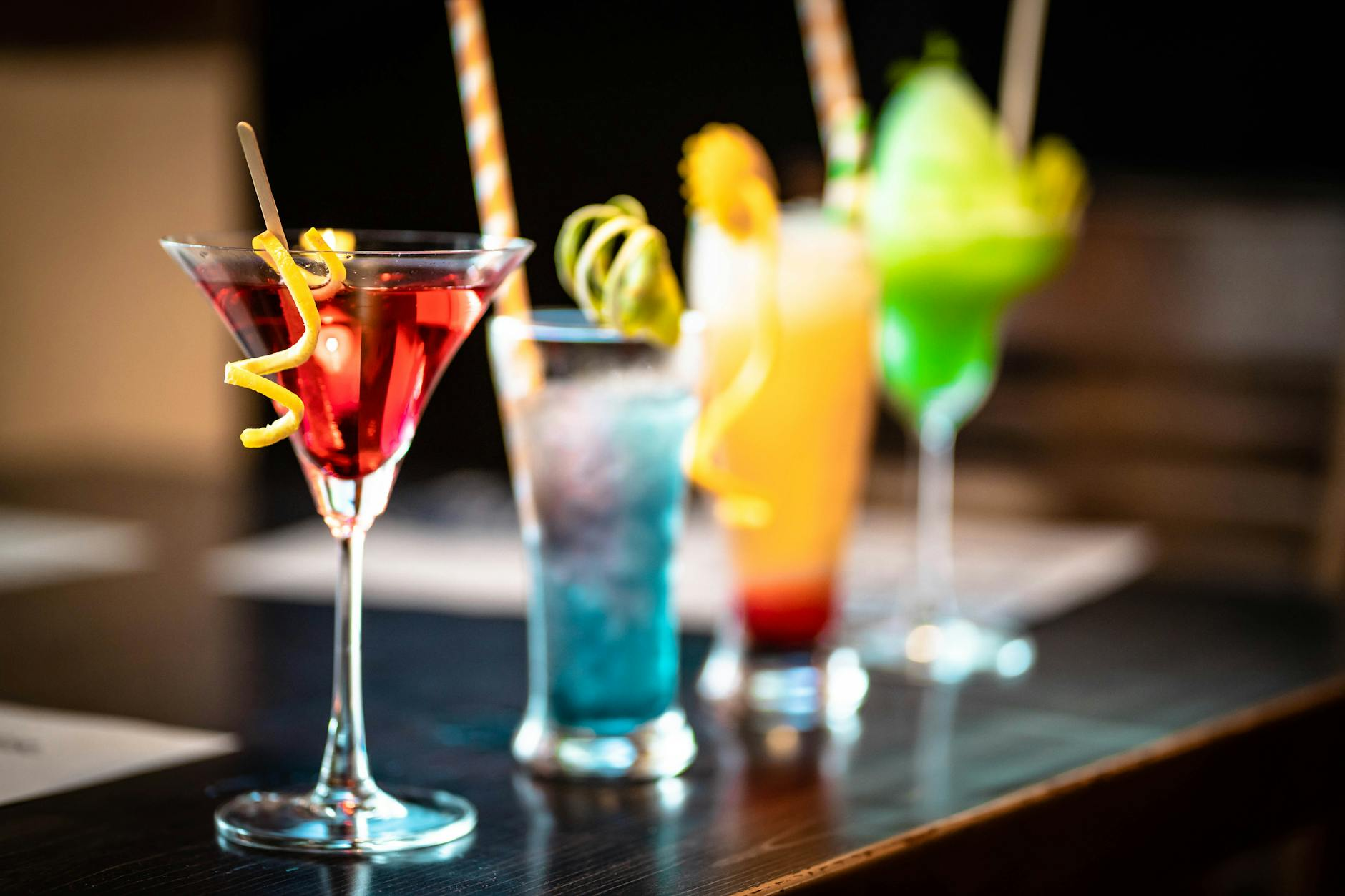
Alcohol contains 7 calories per gram, almost as many as fat (9) and nearly double protein and carbs (4 each). A single 12 oz beer adds 150 calories, a 5 oz glass of wine 125, and a margarita 300-500. Tracked drinks rarely derail a diet; untracked ones do. A 2018 American Journal of Clinical Nutrition study found drinkers consume 384 extra calories on the days they drink, with most of that coming from food eaten alongside alcohol.
Alcohol is one of the trickiest categories to log accurately. Drinks rarely come with nutrition labels, restaurant pours run 30-50% larger than standard servings, and once you have had a drink or two your willingness to log the next one drops sharply. The result is a category that looks small in a tracker but is consistently the largest source of unaccounted calories for adults who drink socially.
The good news is that alcohol does not have to come out of your plan. Plenty of people maintain a calorie deficit, build muscle, or hit weight loss goals while drinking 1-3 nights a week. The trick is knowing what alcohol does to your body, choosing drinks that fit your numbers, and logging them with the same precision you bring to food.
How Many Calories Are in Alcohol?
Pure ethanol delivers 7 calories per gram, the second most energy-dense macronutrient after fat. A standard drink in the United States is defined by the National Institute on Alcohol Abuse and Alcoholism (NIAAA) as 14 grams of pure alcohol, which equals roughly 98 calories from the alcohol alone. Mixers, sugar, and grain content can double or triple the total.
A 2020 Nutrients meta-analysis by Yeomans et al. confirmed that ethanol calories are not "free" or excreted unused. The body metabolizes alcohol preferentially over food, which means dietary fat and carbohydrate intake gets shunted into storage while the liver clears the alcohol. This is why alcohol calories behave like a metabolic priority queue, not a discount.
How Does Alcohol Affect Your Metabolism and Weight?
Alcohol disrupts metabolism in three measurable ways: it suppresses fat burning, increases hunger and impulsive food choices, and degrades sleep quality. Each effect compounds the calorie cost of a drinking night well past what a tracker shows.
Why Does Alcohol Halt Fat Burning?
When you drink, your liver prioritizes ethanol clearance because alcohol is mildly toxic and cannot be stored. A 1988 Journal of Clinical Investigation study by Suter, Schutz, and Jequier showed that 24 grams of alcohol (about two drinks) suppressed lipid oxidation by 73% over the next 5 hours. Fat burning resumes once alcohol clears, but the dietary fat eaten alongside drinks is more likely to be stored than burned. This is the metabolic mechanism behind the "beer belly" effect, and it shows up regardless of whether your daily calorie target is hit.
How Does Alcohol Affect Your Appetite and Food Choices?
Alcohol increases hunger hormones and lowers inhibition simultaneously. A 2017 Obesity study by Kwok et al. found that participants who consumed two drinks before a buffet meal ate 11-30% more total calories than the no-alcohol control, with the largest increases in salty, fried, and high-fat foods. A 2019 Health Psychology paper documented that drinkers underestimate post-drinking food intake by an average of 250 calories per night. The combined effect routinely doubles the calorie cost of a drinking session relative to the drinks themselves. If late-night cravings are a recurring problem, our guide on stress, sleep, and nutrition covers the cortisol and ghrelin patterns that alcohol amplifies.
Does Alcohol Slow Down Recovery and Muscle Growth?
Alcohol blunts muscle protein synthesis. A 2014 PLOS One study by Parr et al. measured muscle protein synthesis after a workout and found that 1.5 g/kg of alcohol (about 6-7 drinks for a 70 kg adult) reduced protein synthesis by 24-37%, even when participants ate adequate protein and carbohydrates. Lower doses (2-3 drinks) have a smaller effect but still slow recovery and reduce gains over weeks of training. For people aiming to build muscle while in a calorie deficit, see our body recomposition guide.
What Are the Calorie Counts of Common Drinks?
Drink calories vary widely by serving size, ABV, and added sugar. Use the table below as a logging reference rather than an estimate. Restaurant and bar pours typically exceed listed serving sizes by 20-50%, so when in doubt, round up.
| Drink | Standard serving | Calories | Carbs (g) |
| Light beer (4.2% ABV) | 12 oz | 95-110 | 5-7 |
| Regular beer (5% ABV) | 12 oz | 150-170 | 12-14 |
| Craft IPA (7% ABV) | 12 oz | 200-240 | 18-22 |
| Dry red wine | 5 oz | 120-130 | 3-4 |
| Dry white wine | 5 oz | 115-125 | 2-4 |
| Sweet/dessert wine | 3 oz | 165-180 | 14-20 |
| Champagne / sparkling | 5 oz | 90-100 | 1-2 |
| Vodka, gin, rum, tequila, whiskey | 1.5 oz (shot) | 95-105 | 0 |
| Vodka soda with lime | 1.5 oz spirit + soda | 100 | 0 |
| Gin and tonic | 1.5 oz gin + 4 oz tonic | 200 | 16 |
| Margarita (classic) | 4-6 oz | 280-380 | 25-30 |
| Pina colada | 8 oz | 490 | 60 |
| Long Island iced tea | 8 oz | 540-700 | 30+ |
| Espresso martini | 4 oz | 250-350 | 20-25 |
| White Claw / hard seltzer | 12 oz | 100 | 2 |
How Should You Log Alcohol in a Calorie Tracker?
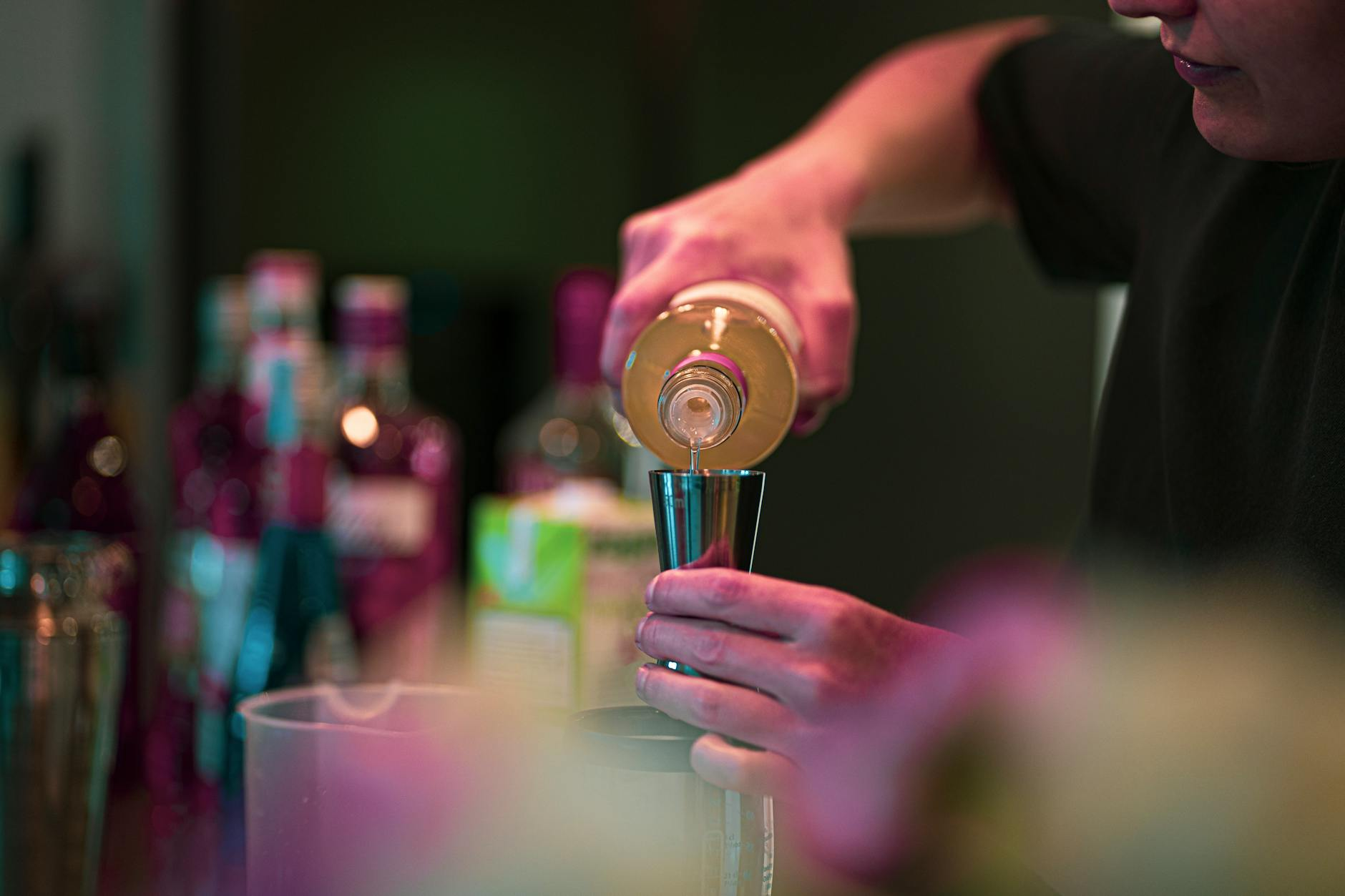
Alcohol logging is harder than food logging because pours are unmarked and database entries are seeded with idealized serving sizes. A four-step routine cuts the error in half.
For a broader framework on accuracy, see our piece on common calorie counting mistakes and photo vs. manual food logging.
What Are the Lowest-Calorie Drink Options?
If you drink regularly, a few category swaps cut weekly alcohol calories by 30-50% without changing your social pattern. Use this hierarchy when you order.
For people on a defined calorie deficit (see our calorie deficit vs. surplus guide), a 200-calorie drinking budget can cover two vodka sodas or two light beers without disrupting daily targets.
How Do You Drink Without Derailing Your Diet?
Most weight loss plans do not break because of alcohol calories themselves. They break because of food eaten during and after drinks. The practical playbook is to defend the meals around the drinks more than the drinks themselves.
If you struggle with the food side after drinks, our piece on building sustainable tracking habits walks through behavior change frameworks that fit a real social life.

Does Alcohol Affect Sleep, Recovery, and Hormones?
Yes, and the impact compounds the calorie cost. Alcohol is sedating in the first half of the night but disrupts REM sleep in the second half, especially after 3 or more drinks. A 2018 JMIR Mental Health study analyzing 4,098 adults found that nights with 2 or more drinks reduced sleep quality by 24% and HRV (heart rate variability) recovery by 16%. Poor sleep increases hunger the next day by 250-385 calories, according to a 2010 American Journal of Clinical Nutrition paper. Alcohol can also lower testosterone in men by 6-23% and elevate cortisol the morning after, both of which slow weight loss and recovery.
How Should You Adjust Your Macros If You Drink Regularly?
Alcohol is not a macronutrient in the strict sense, but it competes with one. Most macro-tracking apps log alcohol calories as carbohydrates by default, which inflates your carb total and undercounts your fat tolerance. A 2-drink night logged this way might show 30 grams of phantom carbs that did not actually come from food. Some apps (Cronometer, MacroFactor) let you log alcohol separately. If yours does not, subtract the alcohol calories from your total target rather than your carb target. For a deeper dive on the macronutrient math, see our macro tracking simplified guide.
Frequently Asked Questions
Are alcohol calories the same as food calories?
Yes for energy balance, no for metabolic priority. Alcohol delivers 7 calories per gram and counts toward your daily total, but the body metabolizes it before food, which suppresses fat burning for 5-7 hours. The net effect on weight is the same once intake is matched, but the side effects (sleep, recovery, appetite) make alcohol calories more disruptive than food calories of equal size.
Can I drink and still lose weight?
Yes. Alcohol fits any calorie deficit if you log it accurately and keep it inside your weekly target. Most people who lose weight while drinking limit themselves to 1-3 nights per week, choose lower-calorie drinks (vodka soda, light beer, dry wine), and front-load lower-calorie meals on drinking days. The bigger risk is the food eaten alongside or after drinks, which routinely adds 250-400 untracked calories.
How do I track wine pours when bartenders do not measure?
Use 6 oz as your default for restaurant red and white wine, and 4 oz for champagne. Bars and restaurants pour 25-50% more than the standard 5 oz, per a 2013 Substance Use and Misuse study. If the glass looks especially full, log 7 oz. For at-home pours, mark a wine glass with a measuring cup once and log the same amount each evening.
Does drinking on an empty stomach burn more calories?
No. Alcohol on an empty stomach is absorbed faster and intoxicates you sooner, but the calorie count is identical. The only metabolic difference is that food slows alcohol absorption and reduces peak blood alcohol concentration, which is why pre-drinking meals lead to less impulsive food choices later.
What is the lowest-calorie alcoholic drink?
A single 1.5 oz shot of unflavored vodka, gin, rum, tequila, or whiskey served neat or with soda water and lime runs 95-105 calories. Hard seltzers tie at 100 calories per 12 oz can with the added bonus of zero added sugar. A glass of dry sparkling wine or champagne is the third option at 90-100 calories per 5 oz.
How many calories are hidden in cocktails?
Cocktail calories are dominated by added sugar, not alcohol. A classic margarita has 90 calories of tequila and 200-300 calories of triple sec, lime cordial, and sweet and sour mix. A pina colada is mostly coconut cream and pineapple juice, not rum. Most sweet cocktails sit between 250 and 600 calories. Asking for "no syrup" or "less sweet" can cut 100-200 calories per drink.
Should I stop drinking entirely if I am tracking calories?
Not necessarily. The CDC and US Dietary Guidelines support up to 1 drink per day for women and 2 for men as a moderate, low-risk pattern, with calorie cost factored into your daily target. People with weight loss resistance, sleep issues, or recovery goals often see faster results from a 30-day alcohol pause, but a moderate, well-tracked drinking pattern is fully compatible with calorie counting and most fitness goals.
Can I track alcohol with KCALM or my regular calorie app?
Yes. Most calorie trackers, including KCALM, have entries for common beers, wines, and spirits. Log the brand and serving size when possible. For mixed drinks at a bar, log the spirit pour (1.5 oz default) plus the mixer separately. Photo logging works for beer and wine but not always for clear cocktails, since the AI cannot tell vodka tonic from gin tonic from water.
Sources
Ready to track smarter?
Join thousands who use KCALM for calorie tracking. AI-powered food recognition, scientifically-validated calculations, and zero anxiety.
Related Articles
Calorie Tracking vs. Intuitive Eating: Finding the Right Balance
Should you count calories or eat intuitively? Compare research on both methods, what works long-term, and a 12-week protocol to combine tracking with hunger cues.
LifestyleHow to Track Nutrition While Traveling: A Practical Guide
Struggling to track calories on vacation? Learn 8 evidence-based strategies for estimating portions, navigating airport food, and maintaining nutrition awareness while traveling.
LifestyleSustainable Weight Loss: Why Most Diets Fail and What Works
Why do 80% of dieters regain lost weight? Learn the science of weight regain, metabolic adaptation, and 7 evidence-based strategies for keeping weight off permanently.