How Accurate is AI Food Recognition? The Science Behind Photo-Based Calorie Counting
Discover how AI food recognition works, its current accuracy levels, and tips for getting the most accurate calorie estimates from photo-based tracking.
kcalm editorial team
Prepared with AI assistance
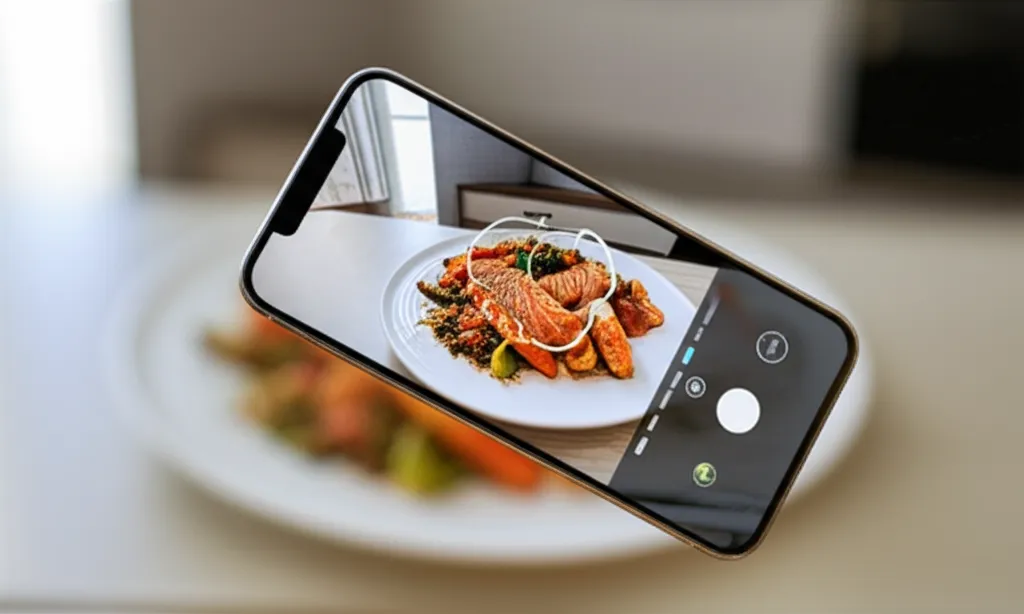
You've probably seen the ads: "Just snap a photo and know exactly what you're eating!" But how accurate is AI food recognition really? Let's dive into the science behind photo-based calorie counting and set realistic expectations.
How AI Food Recognition Works
Modern AI food recognition uses deep learning neural networks trained on millions of food images. When you snap a photo of your meal, the AI:
- Identifies the food items in your image using object detection
- Estimates portion sizes based on visual cues and learned references
- Retrieves nutritional data from comprehensive food databases
- Calculates total calories and macros by combining recognition with portion estimates
The technology has improved dramatically in recent years, thanks to advances in computer vision and the availability of large food image datasets like Food-101, Nutrition5k, and USDA's FoodData Central imagery.

Current Accuracy Levels
Here's the honest truth: most AI food recognition systems achieve 10-20% accuracy for calorie estimates on typical meals. This might sound disappointing, but context matters:
- Single-item foods (an apple, a slice of bread) are recognized with 85-95% accuracy
- Portion estimation is where most error occurs, typically ±15-30%
- Complex dishes (casseroles, mixed salads) are the most challenging
A study published in the Journal of Medical Internet Research found that AI-assisted food logging was about as accurate as trained dietitians estimating portions from photos—neither perfect, but useful.
Factors That Affect Accuracy
Several variables influence how well AI can analyze your food:

Lighting Conditions
Good natural lighting dramatically improves recognition accuracy. Dim restaurant lighting or harsh shadows can confuse the AI about what's actually on your plate.
Photo Angle
A top-down shot at roughly 45 degrees provides the best results. Extreme angles can hide portions or distort sizes.
Food Visibility
If foods are stacked, covered in sauce, or mixed together, the AI has less visual information to work with. A deconstructed salad is easier to analyze than a wrapped burrito.
Reference Objects
Some apps use known objects (like a standard plate or your hand) to estimate scale. When these references are visible, portion estimates improve significantly.
Tips for Better Photo Results
Want to get the most accurate estimates from photo-based tracking? Follow these best practices:
- Use natural lighting whenever possible
- Photograph before you start eating (not halfway through)
- Spread foods apart on your plate when practical
- Include a size reference if your app supports it
- Snap multiple angles for complex meals
When to Adjust AI Estimates
AI food recognition is a starting point, not the final answer. Consider adjusting estimates when:
- You know the exact weight of a portion (you measured it)
- The AI clearly misidentified a food
- Cooking methods differ from the default (fried vs. grilled)
- Your portion is unusually large or small
The goal isn't perfect accuracy—it's getting "good enough" data to understand your eating patterns and make informed choices.
The kcalm Approach
At kcalm, the AI estimate is a starting point you can review. Check the food and portion, then correct missing ingredients or quantities before saving.
More importantly, we believe that approximate tracking done consistently beats precise tracking done sporadically. The best calorie counter is one you'll actually use.
The Bottom Line
AI food recognition isn't perfect, but it's a valuable tool for making calorie tracking faster and more accessible. Combined with occasional manual verification and a realistic understanding of its limitations, photo-based logging can help you build sustainable nutrition awareness.
The technology continues to improve rapidly. What was 20% accurate five years ago is now 10-15% accurate, and that trend will continue. In the meantime, use AI as your helpful assistant, not your infallible oracle.
References: USDA FoodData Central, Journal of Medical Internet Research (2023), Food-101 Dataset (ETH Zurich)
Ready to track smarter?
Join thousands who use kcalm for calorie tracking. AI-powered food recognition, scientifically-validated calculations, and zero anxiety.
Related Articles
Afterburn Effect: How Many Extra Calories Does EPOC Burn?
Explore the afterburn effect with measured EPOC calories, kcal and kJ comparisons, research limitations and practical advice for your calorie log.
ScienceSauna Calories Burned: What the Studies Really Measure
Explore sauna calories burned, what heat studies actually measured, why water loss differs from fat loss and how to handle uncertain numbers in your food log.
ScienceFood Scale vs Measuring Cups: Portion Errors Explained
Compare food scales, measuring cups and eyeballing using portion-size research, practical logging steps and worked calorie examples in kcal and kilojoules.